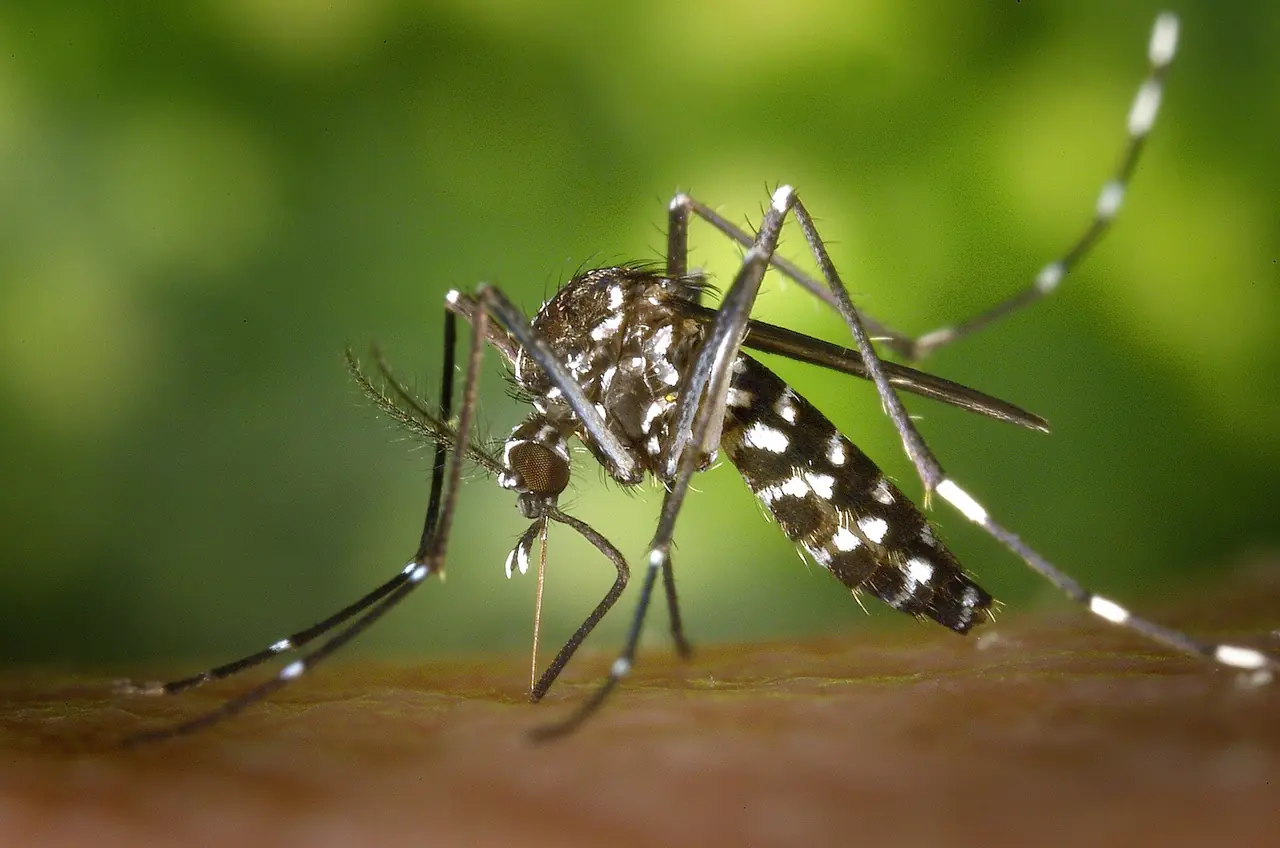
Photo: James Gathany, CDC, Public domain, via Wikimedia Commons
Kansas City Pest Identification
Aedes, Culex, and Anopheles species common to the regionMosquito Identification
The insect most likely to keep you off your own patio all summer. Kansas City's humidity and abundant standing water (creeks, drainage, birdbaths, gutters) make for a long, active mosquito season.
Need help identifying mosquito?
Text a photo for fast pest identification. You'll get a real answer from a local expert — not a call center.
How to Identify It
Slender body, long thin legs, and a distinct proboscis (biting mouthpart). Species vary in color and pattern, but all breed exclusively in standing water — even a small amount, like a bottle cap's worth.
Size: 3–6 mm
Commonly Confused With
Crane flies (much larger, don't bite, often mistaken for "giant mosquitoes") and midges.
Why It Shows Up
They don't establish indoors, but adults enter through open doors, torn screens, and gaps looking for a blood meal, especially at dawn and dusk.
Where Homeowners Find It
Breeding sites: clogged gutters, birdbaths, unused plant saucers, tarps and toys that collect rainwater, low spots in the yard, and shaded, damp areas of dense landscaping where adults rest during the day.
Seasonal Activity in KC
April through the first hard frost, typically October or November in this area, peaking in humid mid-summer.
Risk Level
Itchy, sometimes significant bite reactions, and disease transmission risk (West Nile virus is documented locally) in addition to simply making outdoor space unusable.
What You Can Do Yourself
- • Empty or dump standing water weekly — gutters, saucers, tarps, toys, birdbaths — this is the highest-leverage single action.
- • Keep grass and shrubs trimmed to reduce daytime resting spots.
- • Repair torn window and door screens.
What Professional Treatment Involves
We offer both yard misting (we mist the shrubs and shaded vegetation where adults rest) and fog-free mosquito stations placed in shaded breeding areas — a lower-impact option that doesn't require spraying the whole yard. See our mosquito control page for how the two compare.
Serving the Kansas City metro area-wide. Owner-operated with 30+ years of professional pest control experience. See our mosquito control service →
Common Questions
How do I tell a mosquito from something that looks similar?
Crane flies (much larger, don't bite, often mistaken for "giant mosquitoes") and midges.
Do I need professional treatment for mosquito?
We offer both yard misting (we mist the shrubs and shaded vegetation where adults rest) and fog-free mosquito stations placed in shaded breeding areas — a lower-impact option that doesn't require spraying the whole yard. See our mosquito control page for how the two compare.