Kansas City Pest Control Library
Kansas City Pest Identification Library
Identify the pest. Understand the risk. Get real pest solutions.
Learn what may be showing up around your home or business. If you are unsure, text All Star Pest Solutions a photo and we will help identify it.
30+ years of professional pest control experience • Guaranteed Service. Guaranteed Results.
Owner-operated service for Kansas City homes and businesses.
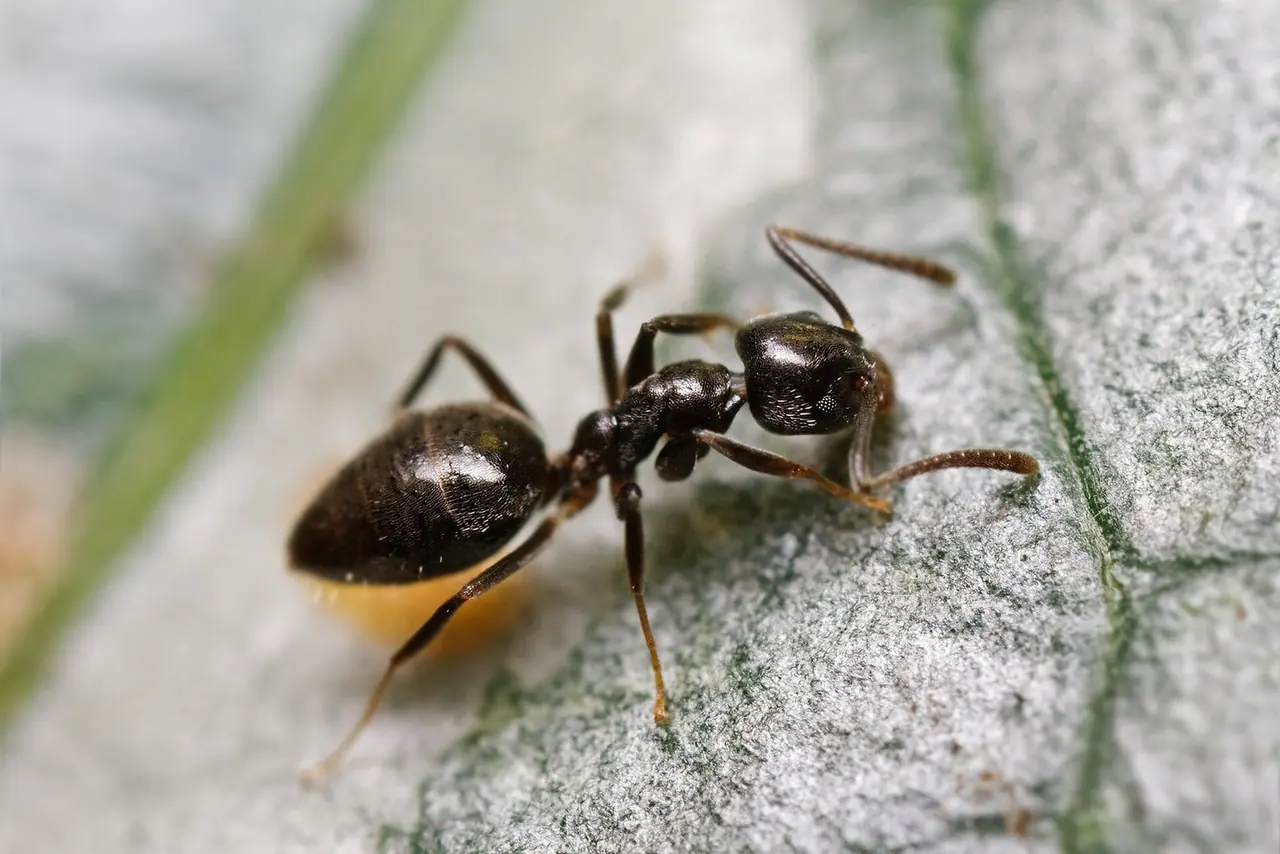
Odorous House Ant
The small dark ant that shows up in Kansas City kitchens and bathrooms every spring and will not stay gone after you spray it. It is the most common indoor ant we treat.
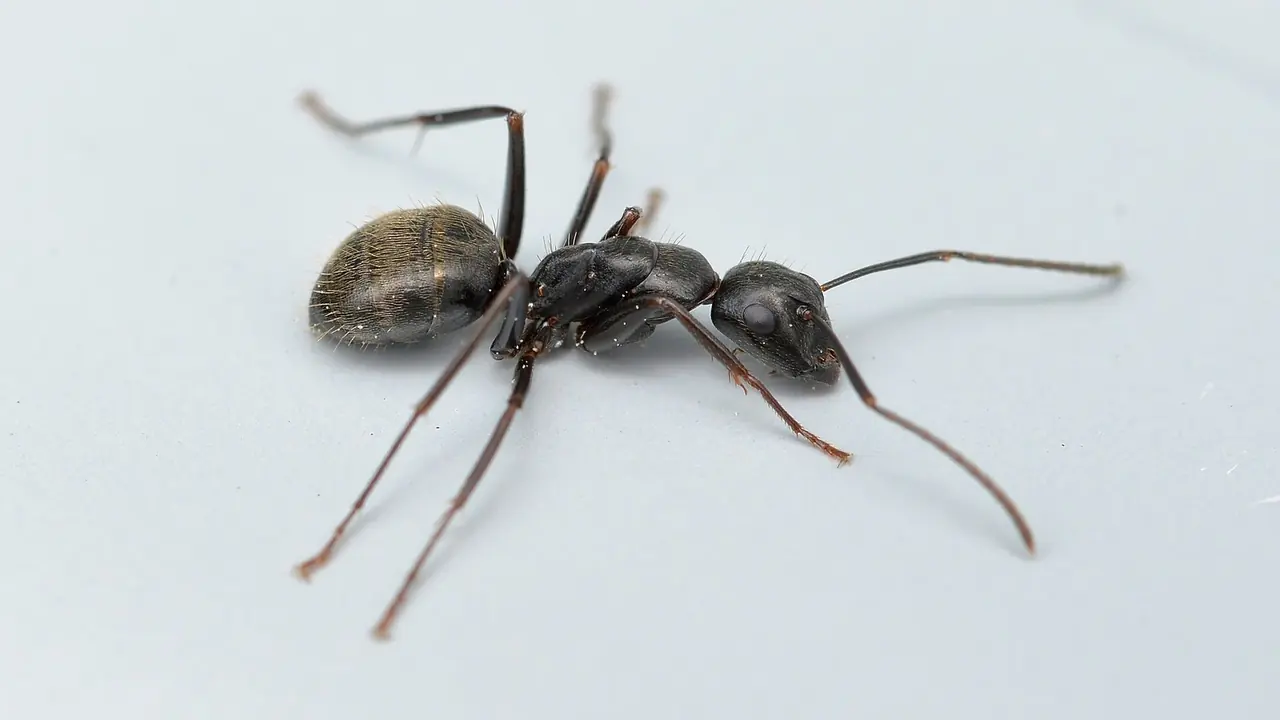
Carpenter Ant
Our largest ant, and the one that matters structurally. Carpenter ants do not eat wood — they excavate it to nest in, most often moisture-damaged or decayed wood, though satellite colonies can also turn up in drier wall voids and sound wood. The damage is regularly mistaken for termites.
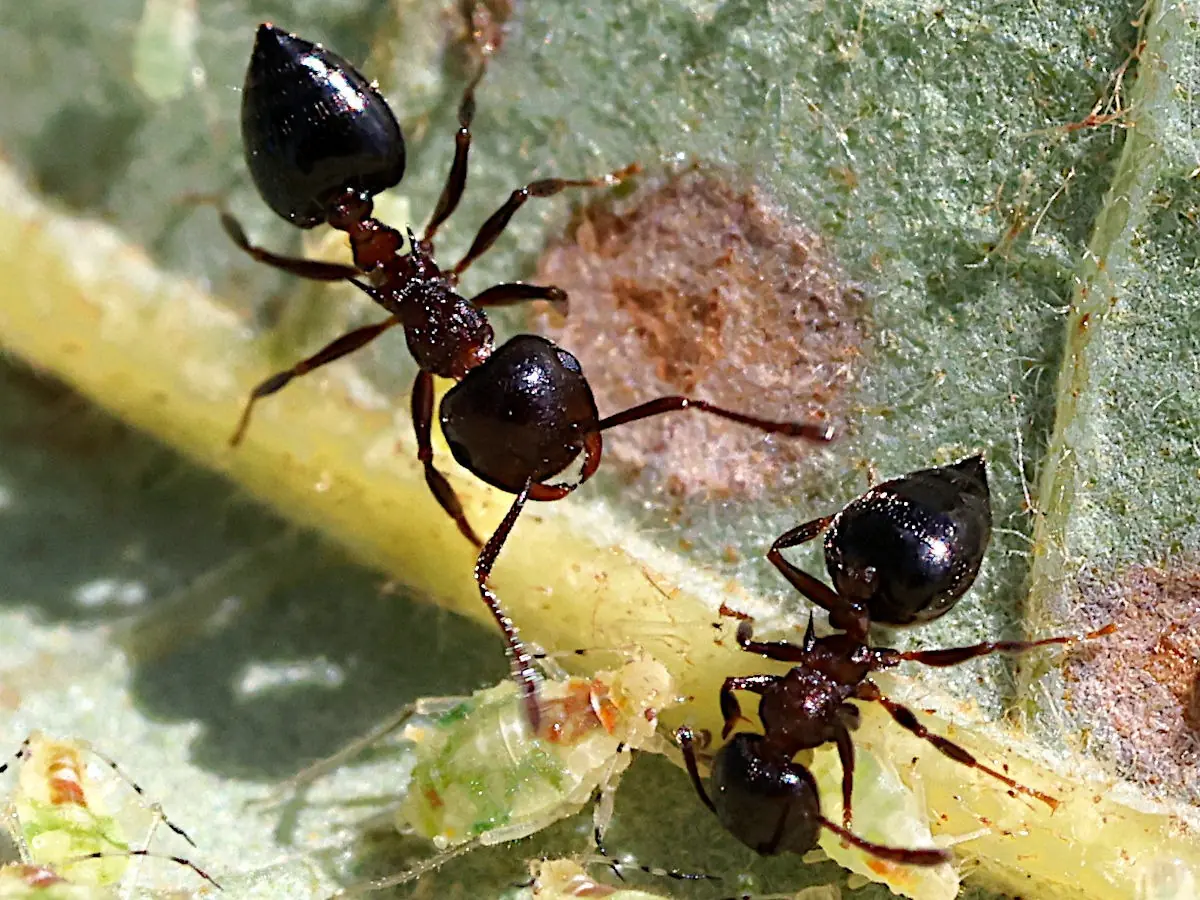
Acrobat Ant
A small ant with a heart-shaped rear end that nests in moist, decayed wood and foam insulation. Finding acrobat ants indoors usually means there is water damage somewhere nearby.
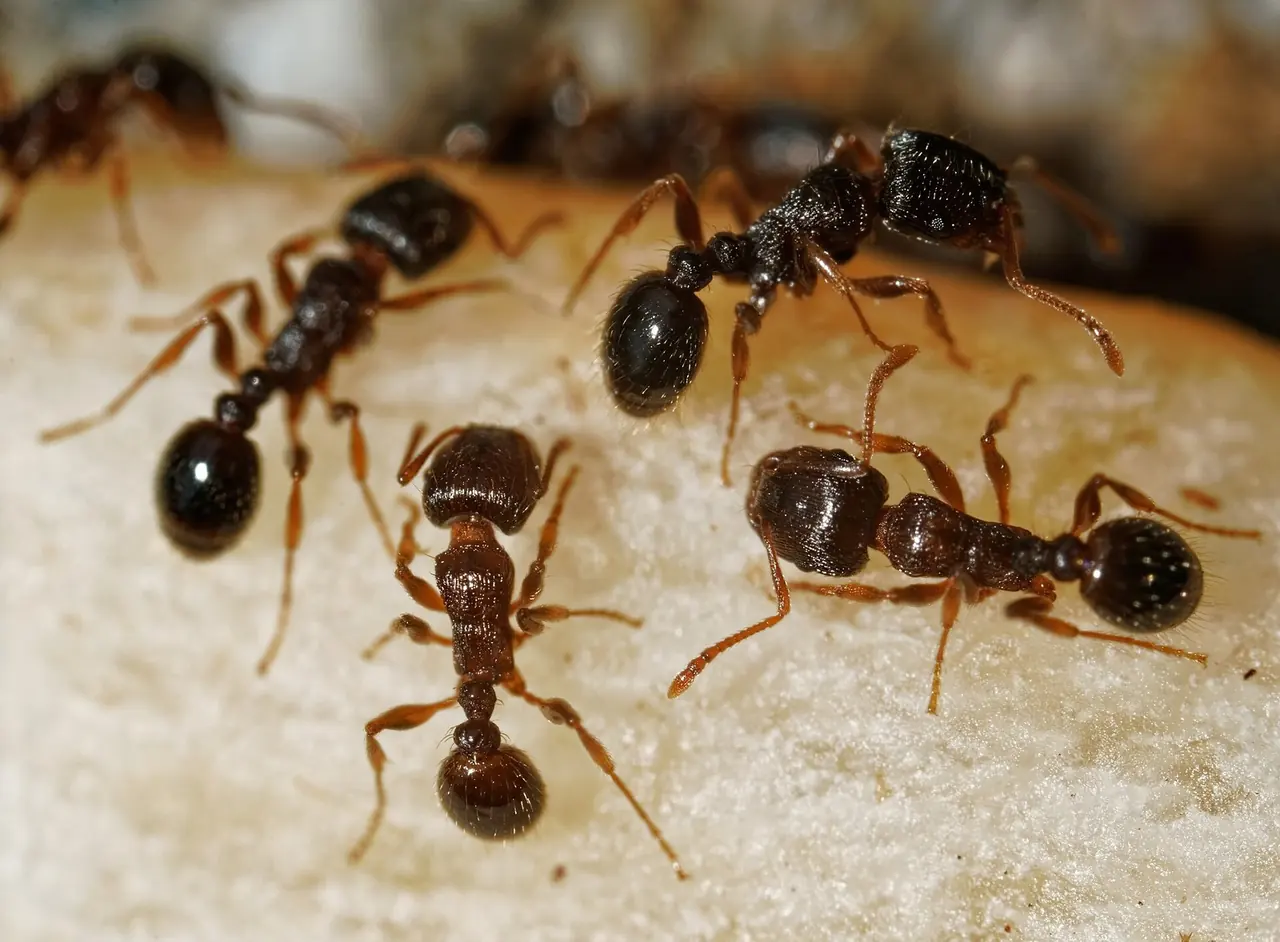
Pavement Ant
The ant behind the little sand piles between sidewalk slabs and along the driveway edge. Common in KC subdivisions on slab foundations, where they come up through expansion joints into the house.
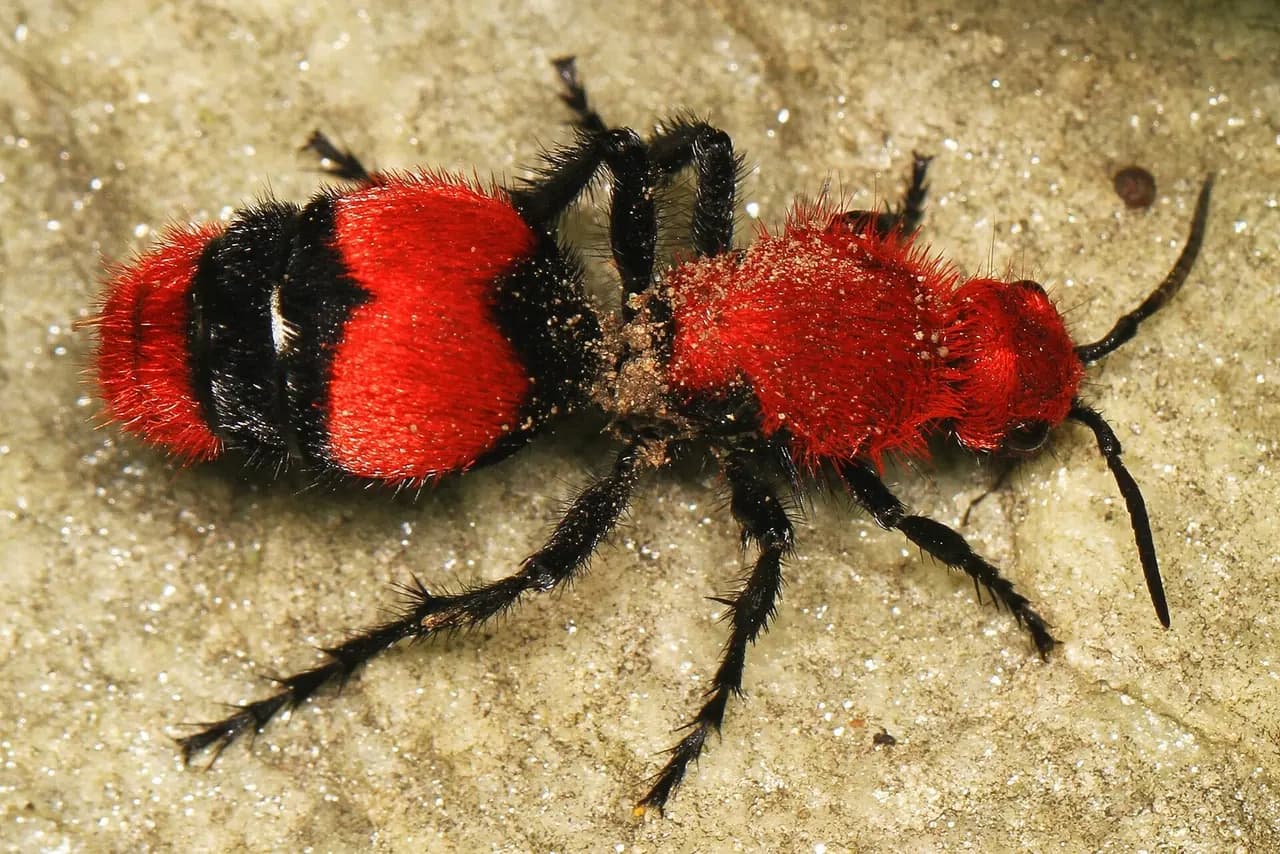
Velvet Ant
Not an ant at all — a wingless female wasp with a sting painful enough to earn the nickname "cow killer." A solitary insect you will see on bare ground or lawns in mid-summer, not something that infests a house.
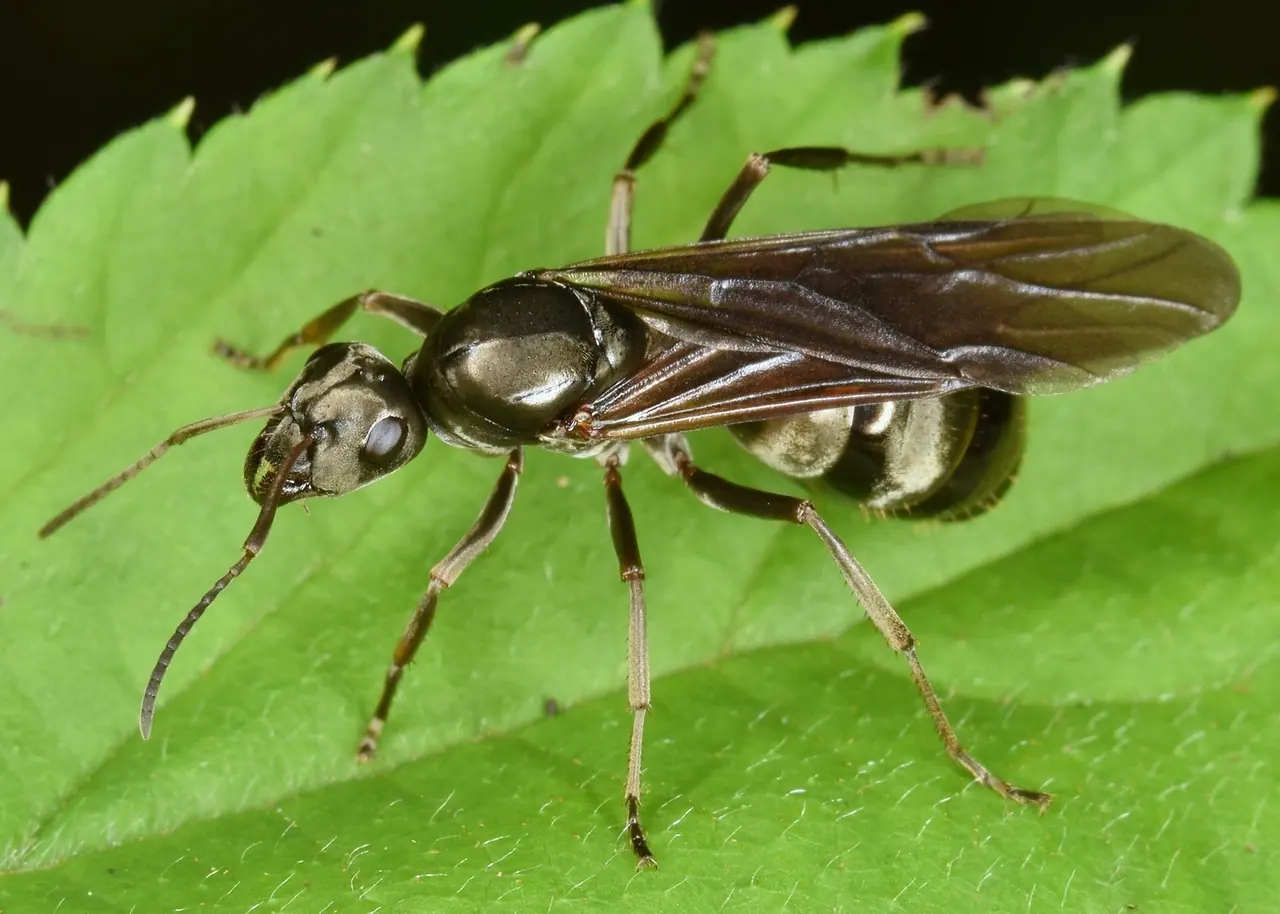
Field Ant
A large, mostly-outdoor ant that builds visible mound nests in lawns, along driveways, and at the base of trees. Field ants are sometimes mistaken for carpenter ants because of their size, but they don't nest in wood.
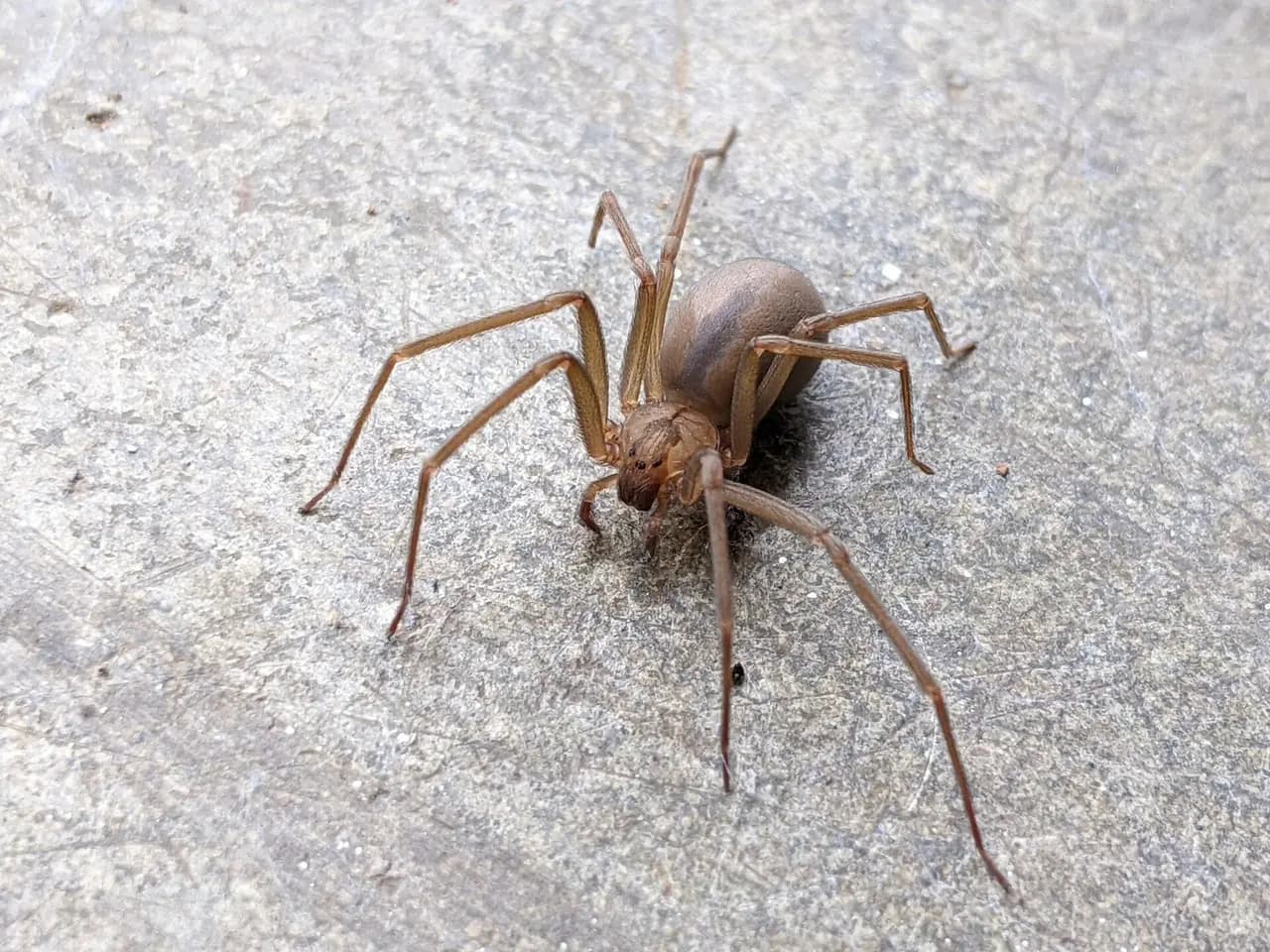
Brown Recluse
Kansas City sits in the heart of brown recluse range, and they are far more common in local homes than most people realize. They are the one spider in this area that justifies a real treatment program.
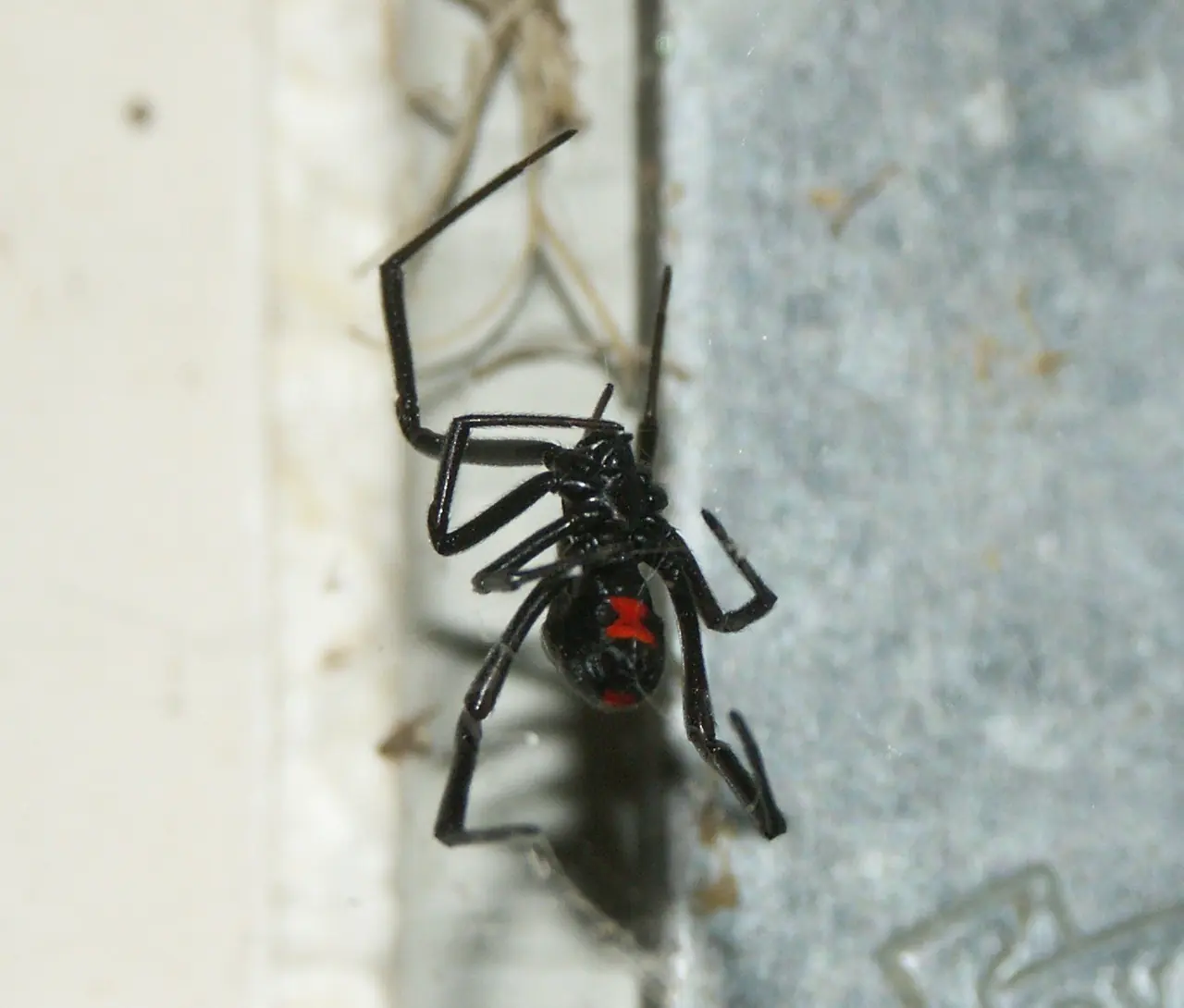
Black Widow
Both the southern and northern black widow occur in Kansas and Missouri. They stay outdoors or in outbuildings and are far less common in living spaces than brown recluse, but the bite is medically significant.
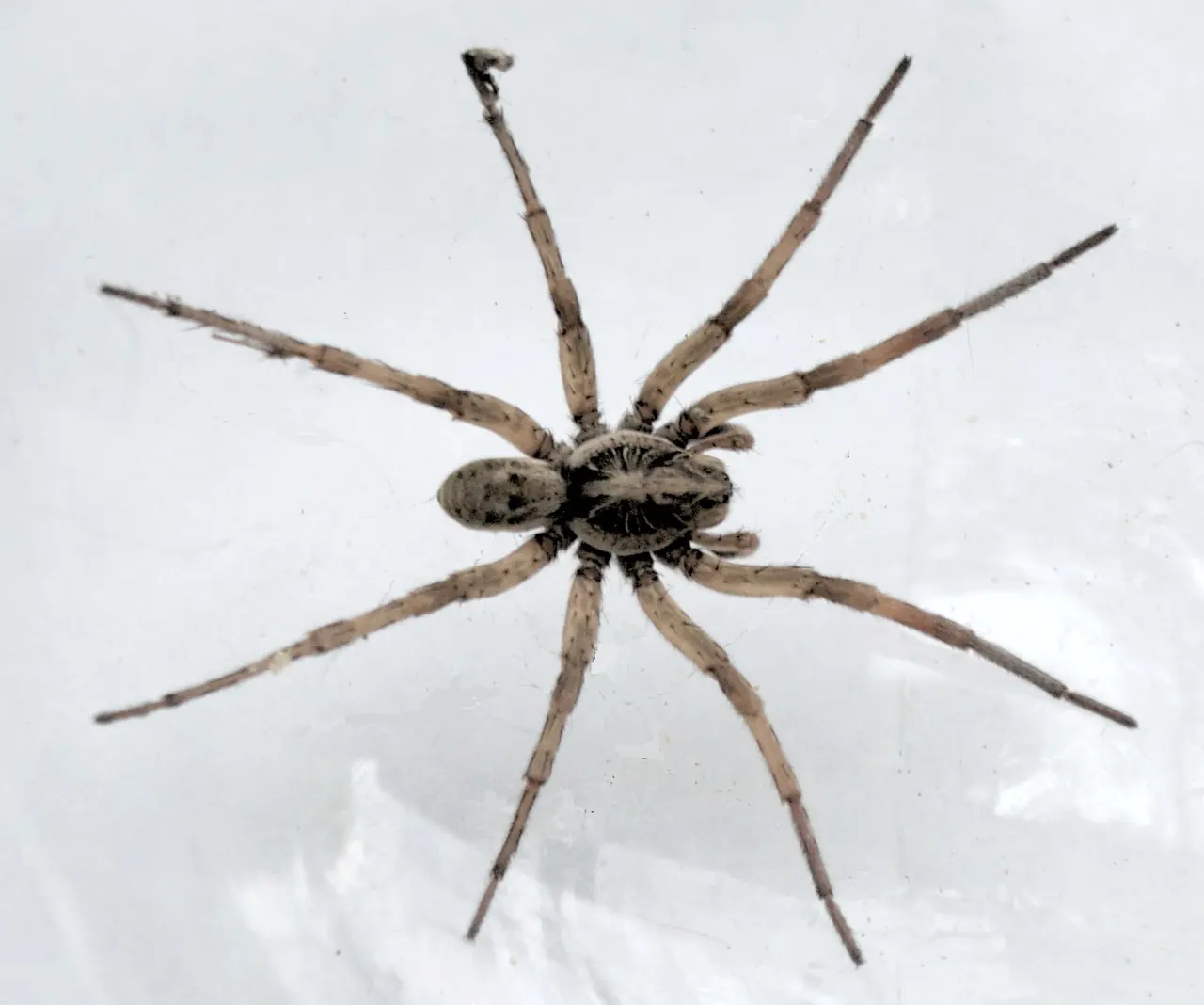
Wolf Spider
The big, fast, hairy spider that runs across the basement floor in October. Wolf spiders hunt on foot instead of building webs, and they are a nuisance, not a danger.
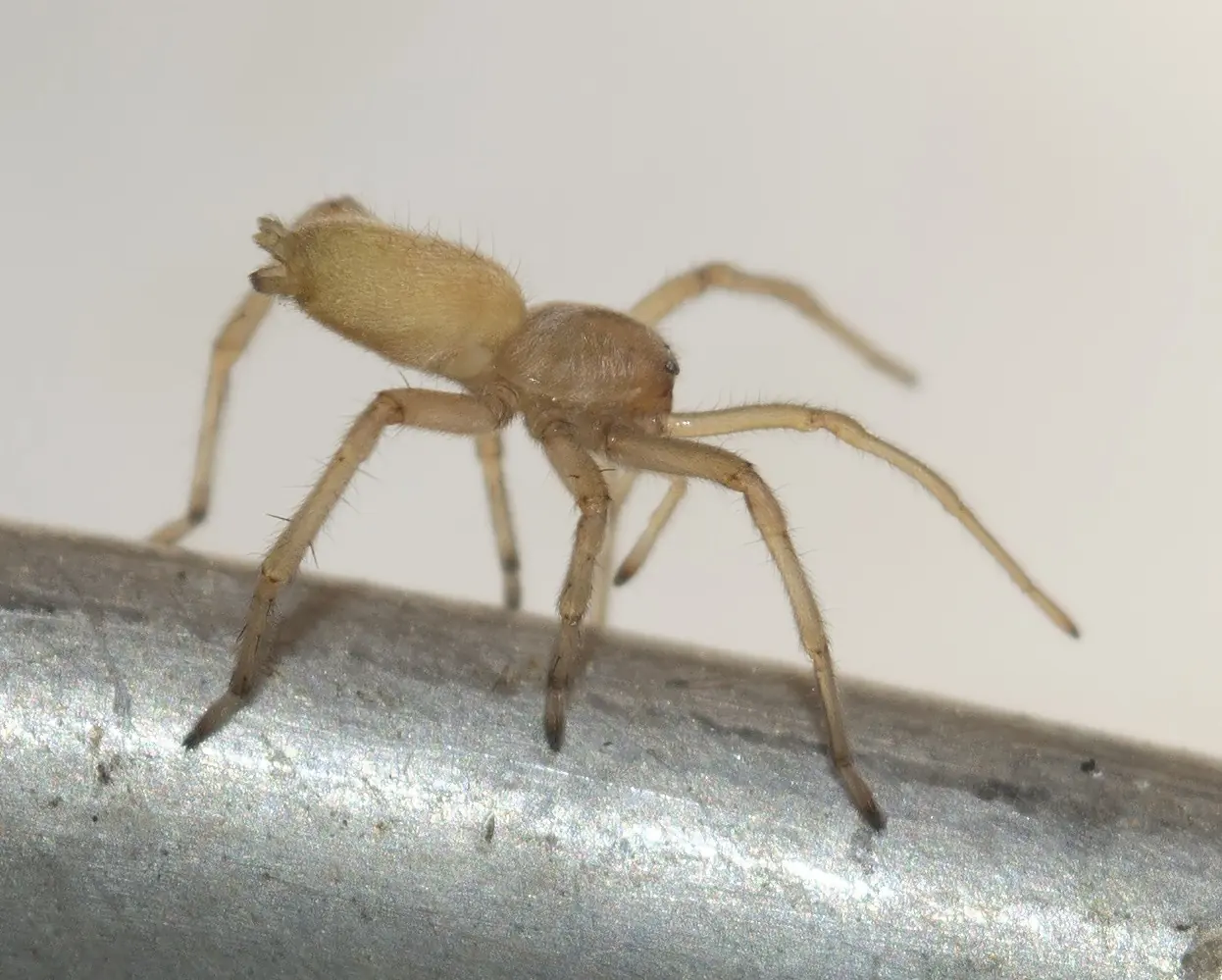
Yellow Sac Spider
A small pale spider that hides in a silk sac where the wall meets the ceiling and is responsible for a good share of the "mystery bites" people wake up with in Kansas City.
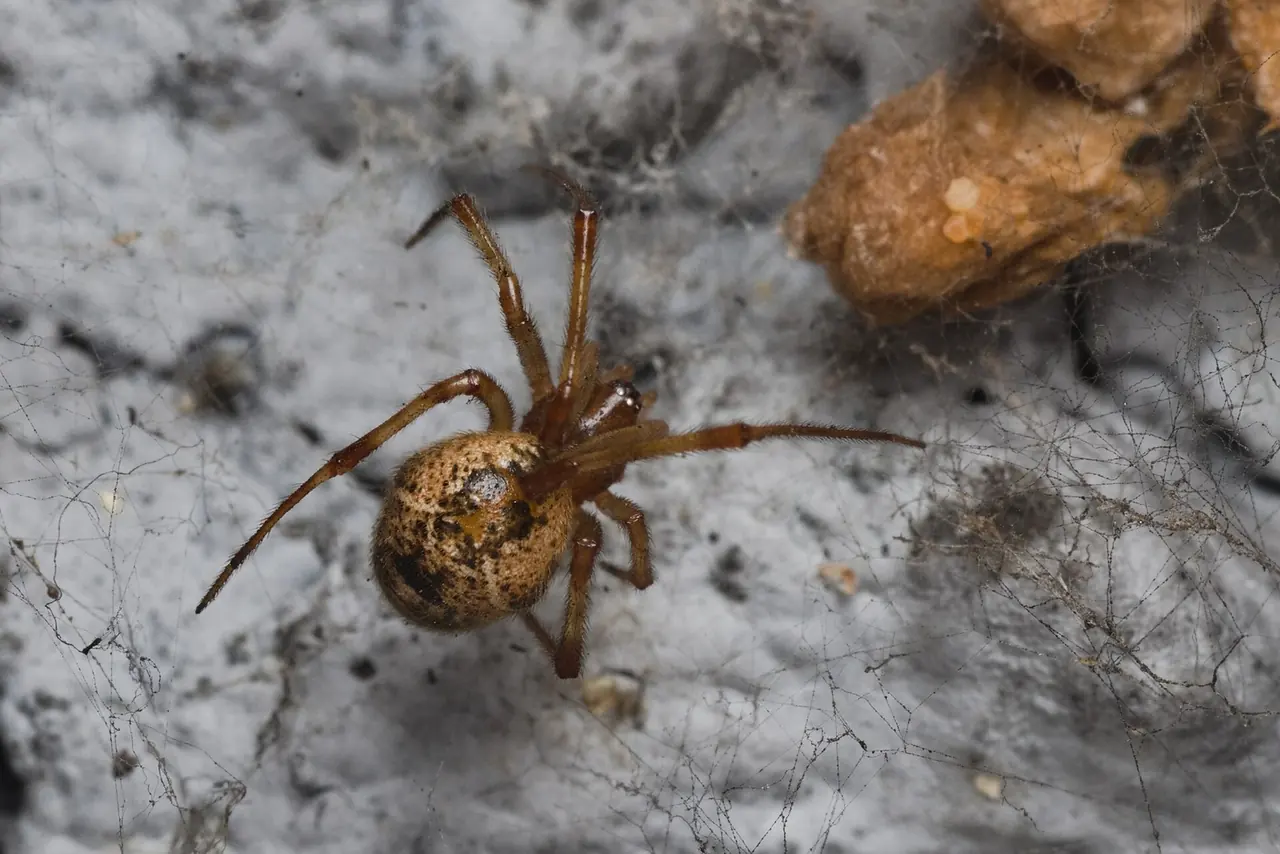
Common House Spider
The little brown cobweb spider behind most of the dusty webs in garage corners, window frames, and basement ceilings. Harmless, and a sign there are insects to eat.
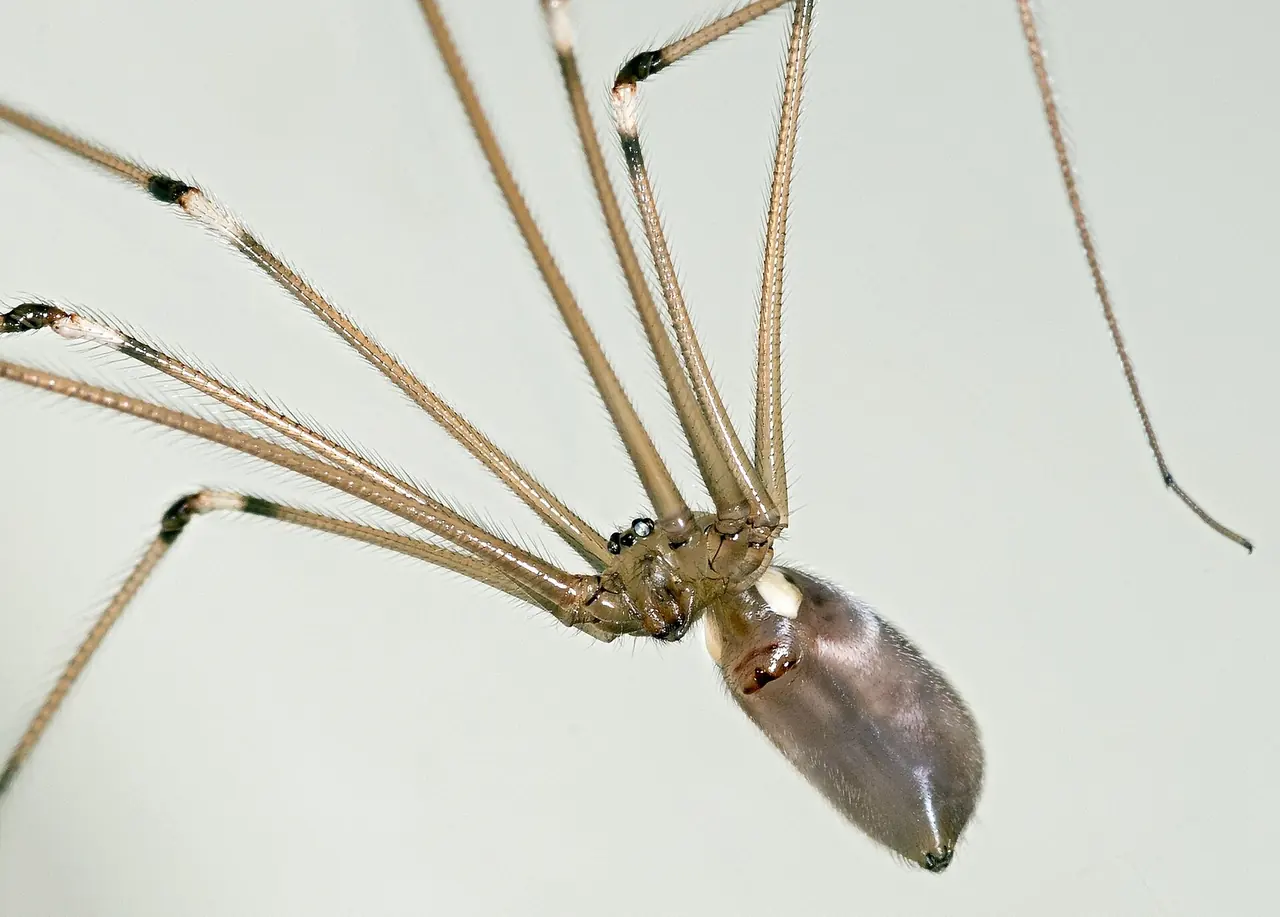
Cellar Spider
The long-legged, wobbly spider in the basement corner that shakes its web when you get close. Often called a daddy longlegs, and completely harmless.
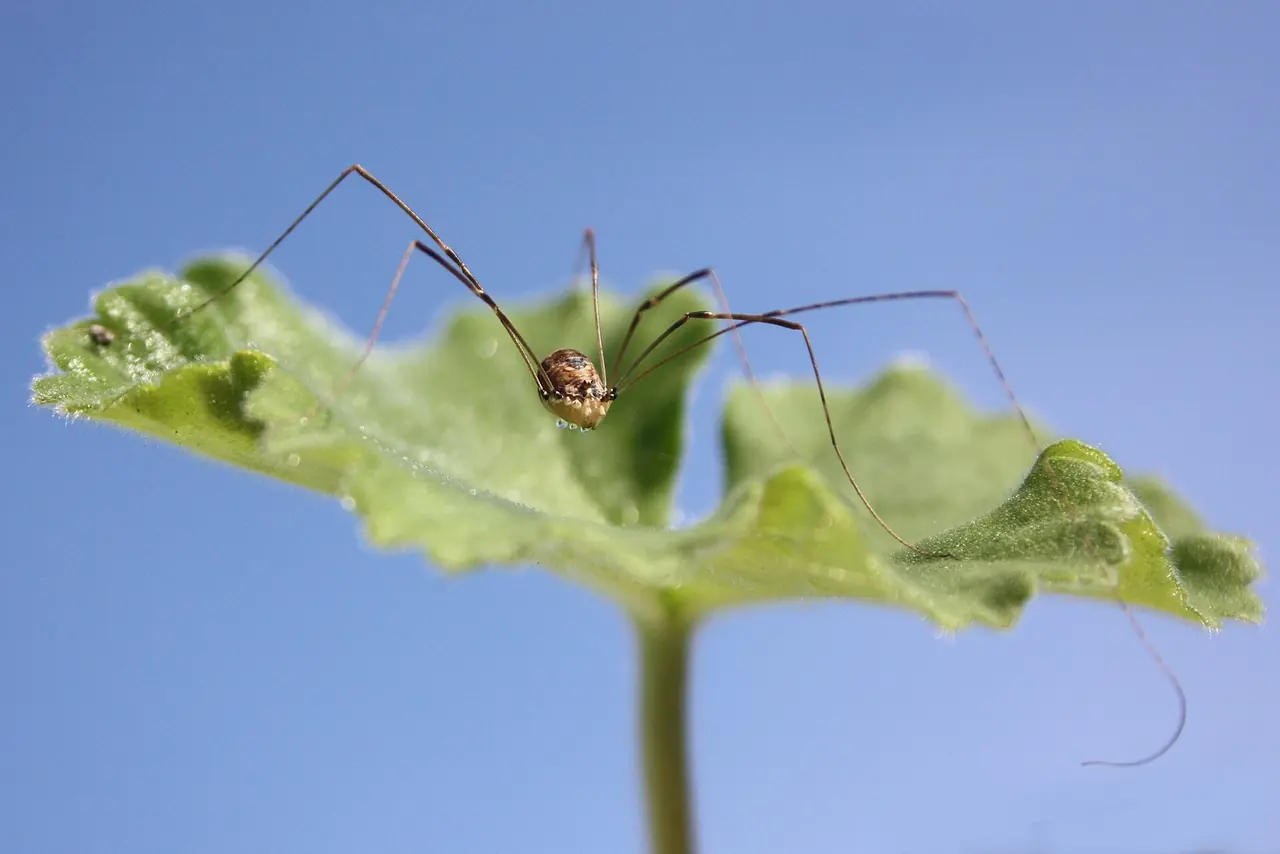
Daddy Longlegs
Not a spider. Harvestmen are a separate arachnid group with a single oval body, no venom, no silk, and no fangs. They cluster on foundations and under eaves in late summer.
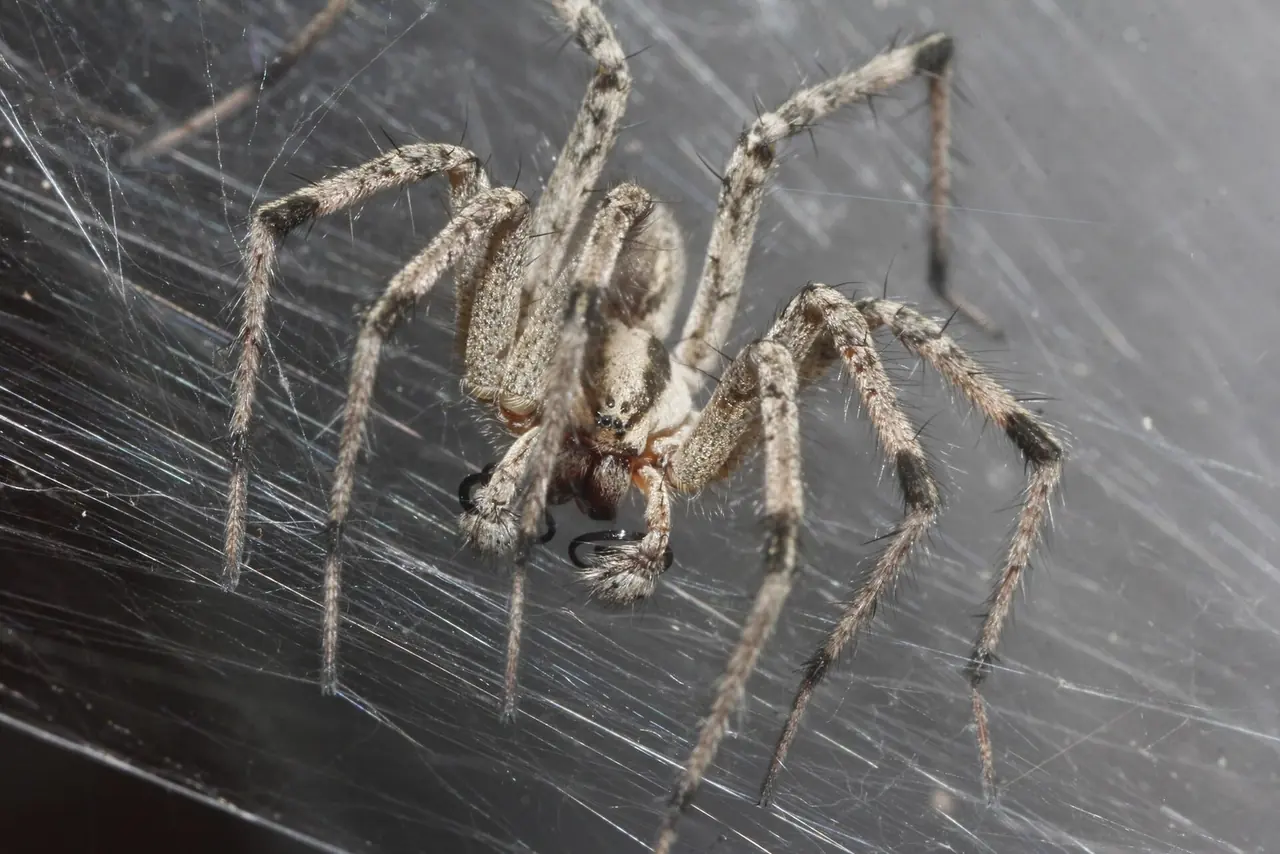
Grass Spider
The spider behind the flat sheet webs with a funnel at one end that cover Kansas City lawns and shrubs on dewy September mornings. Harmless, and frequently mistaken for brown recluse when one wanders indoors.
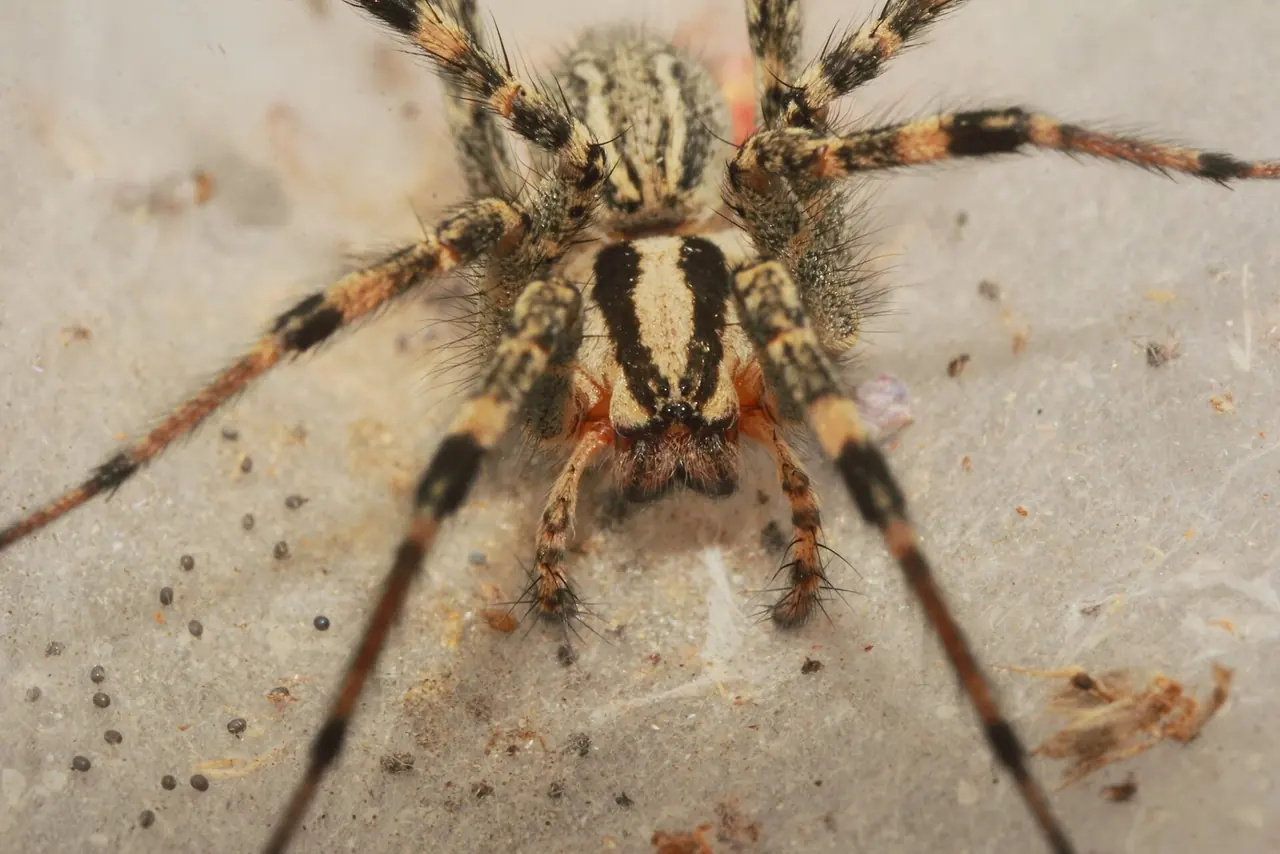
Funnel Weaver Spider
A family of fast, striped spiders that build sheet webs with a tube-shaped retreat in corners, window wells, and woodpiles. The grass spider is the common lawn member; barn funnel weavers are the ones you find in basements.
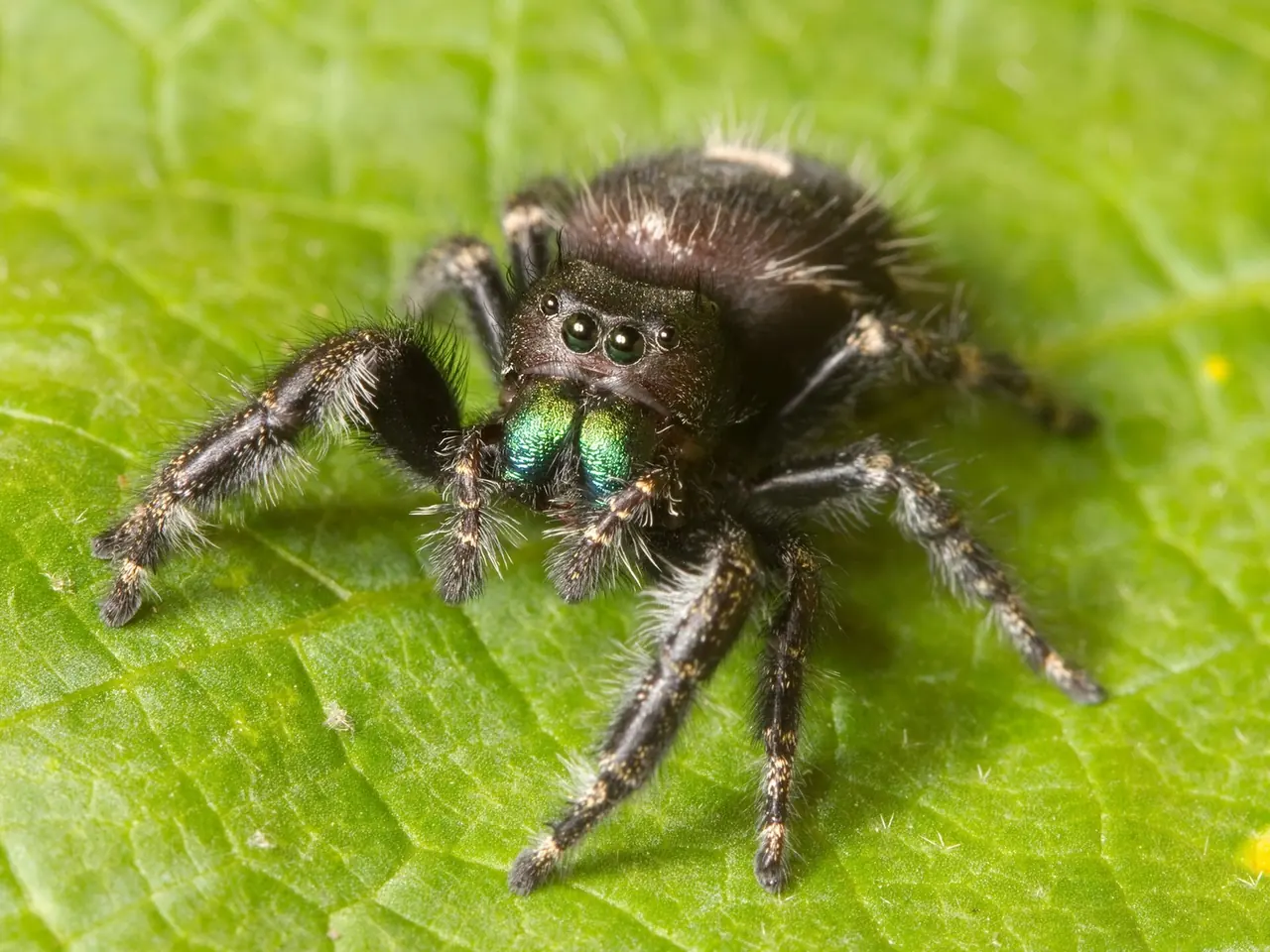
Bold Jumping Spider
The fuzzy black spider with white spots and green fangs that watches you from the deck railing. Curious, harmless, and one of the more useful predators around a Kansas City home.
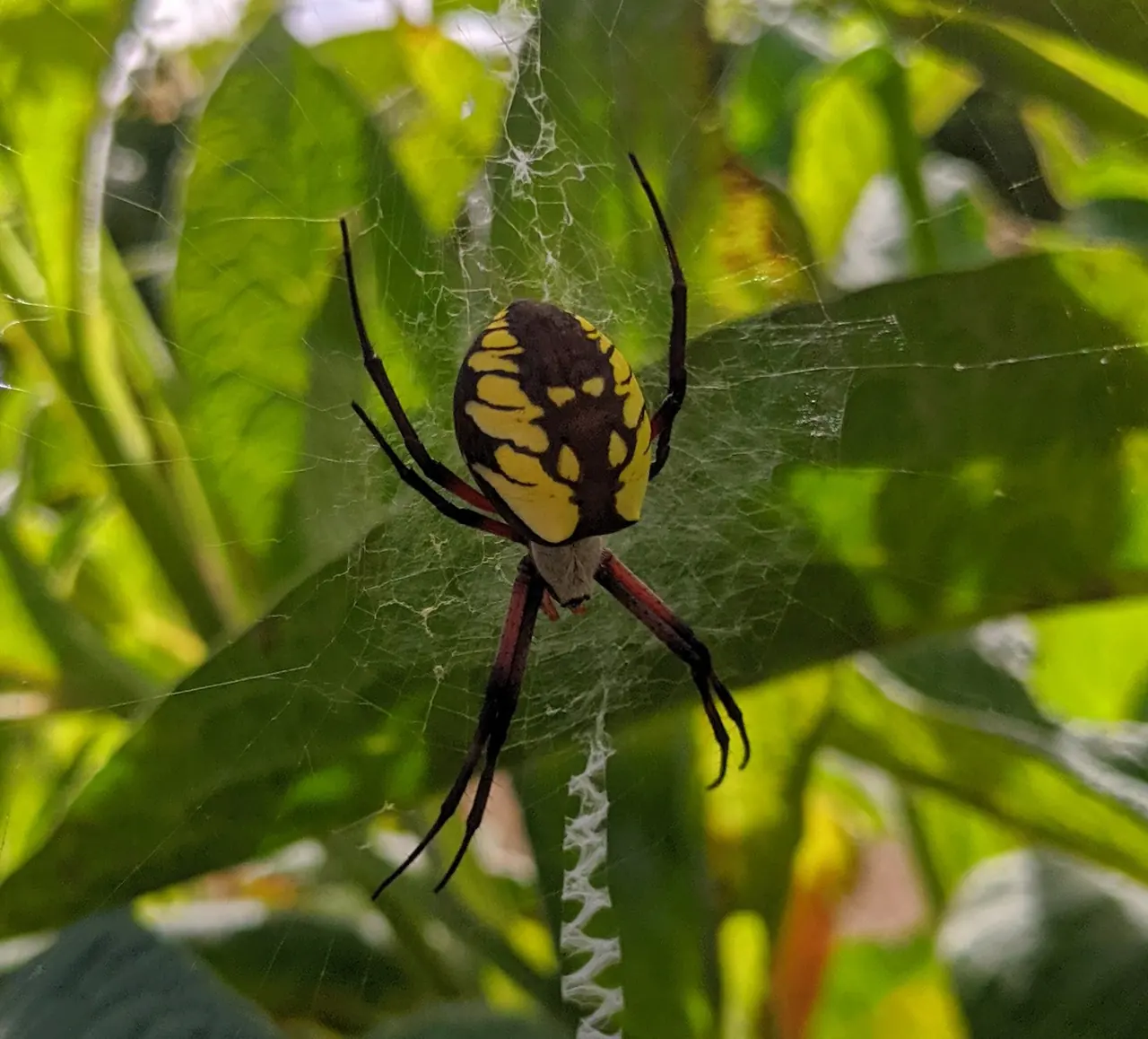
Garden Spider
The big black-and-yellow spider in the large wheel-shaped web with a zigzag of white silk down the middle. Alarming to look at, beneficial, and not a house pest.
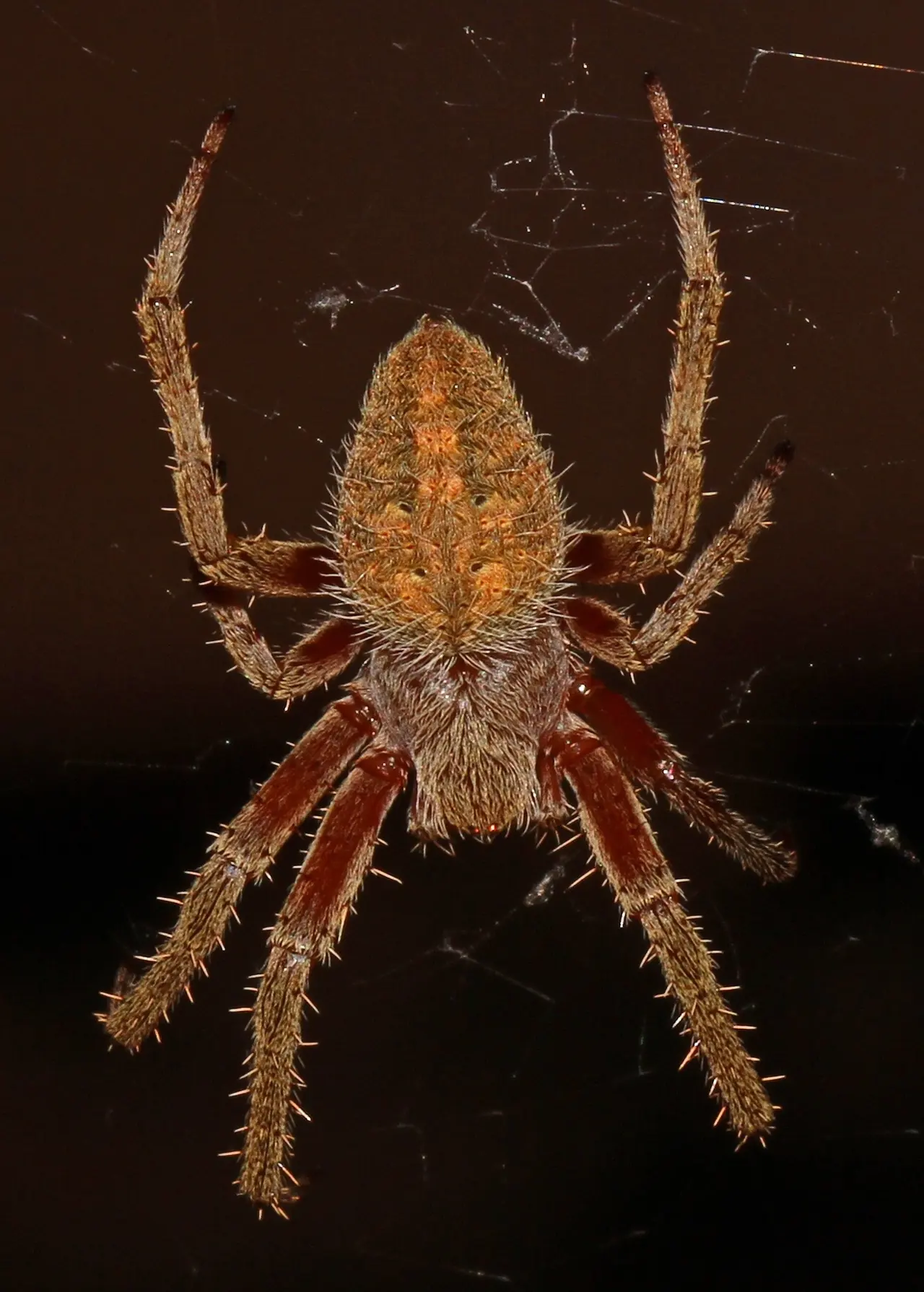
Barn Spider
A stout brown orb weaver that strings a big round web across porches, eaves, and barn doors every night in late summer and takes it down by morning. The spider from Charlotte's Web.
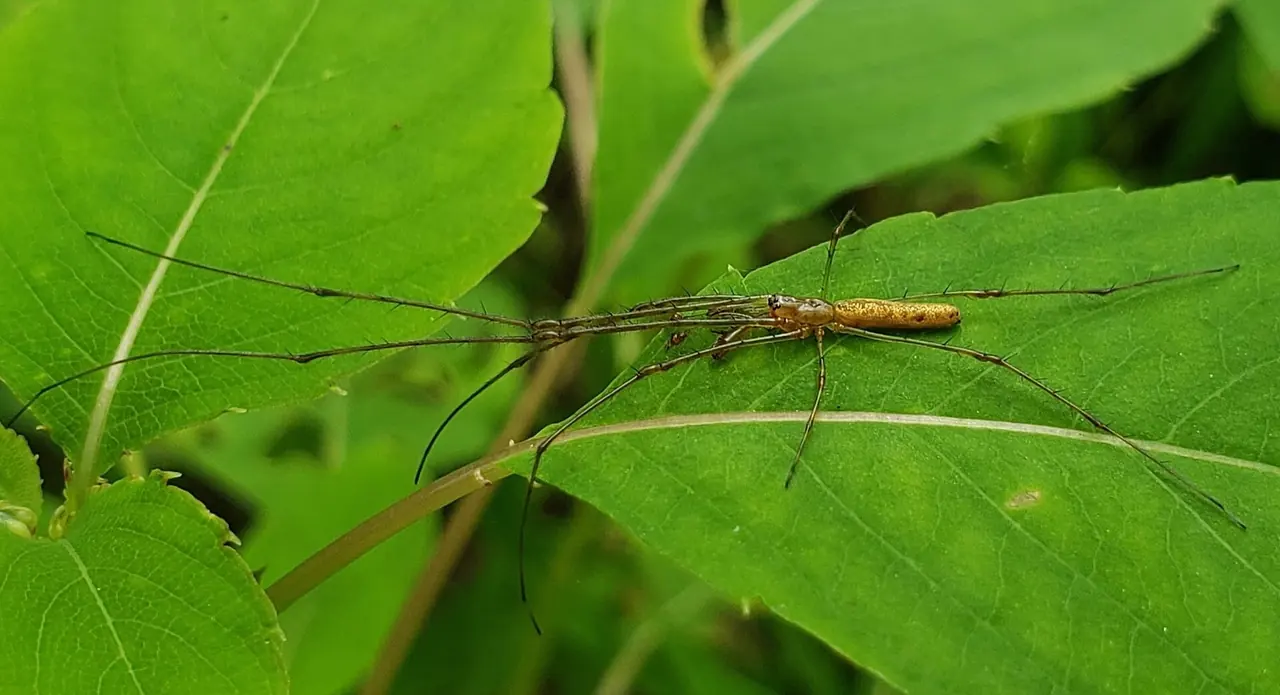
Long-Jawed Orb Weaver
A slender, stretched-out spider with long jaws that builds horizontal webs near water. Common around ponds, lakes, and pools in Cass, Miami, and Johnson counties — and on the lakeside deck.
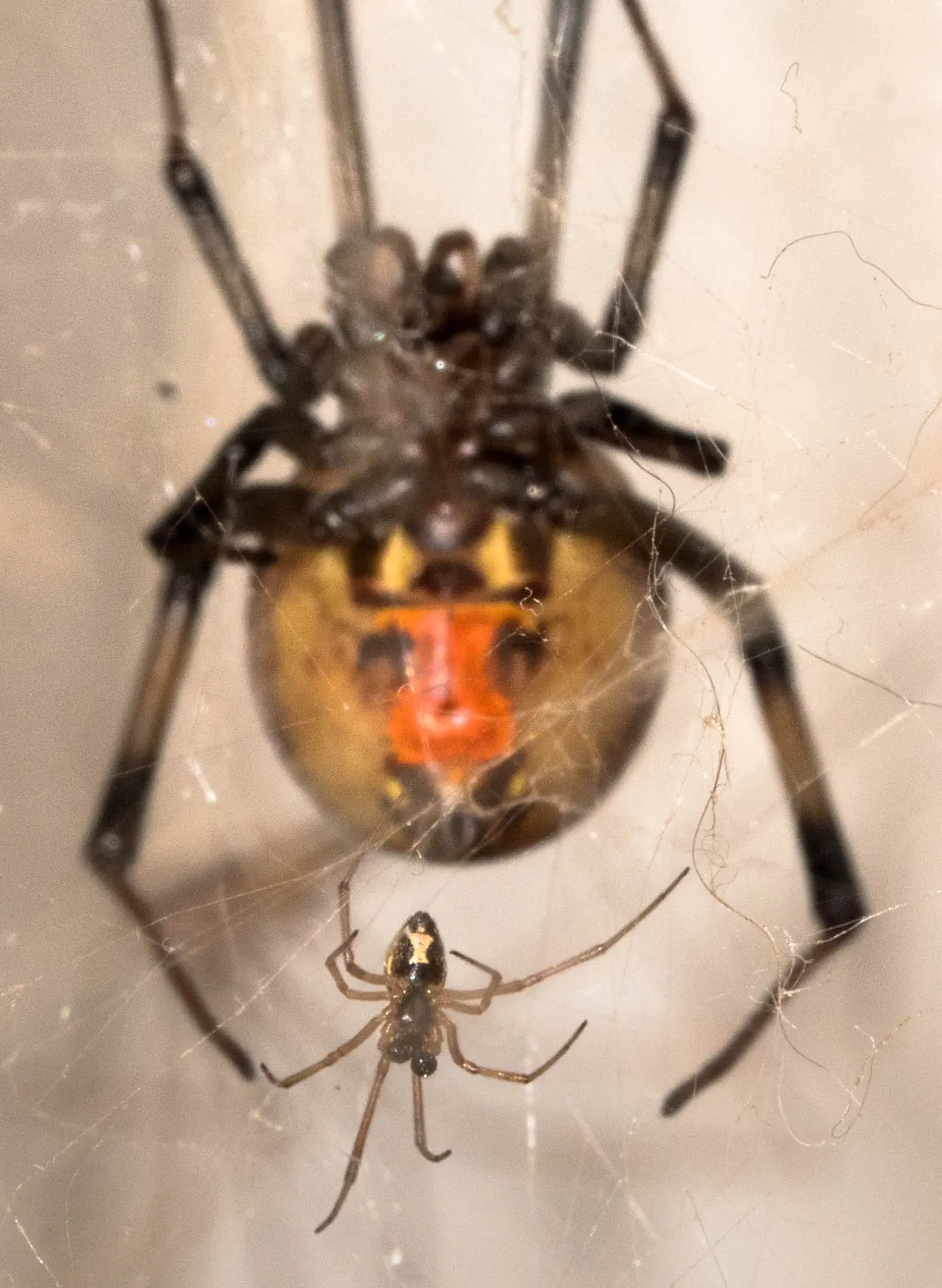
Brown Widow
A less common relative of the black widow, established in patches across Missouri and Kansas, with a milder but still medically relevant bite. Distinguished by a spiky egg sac and mottled brown coloring.
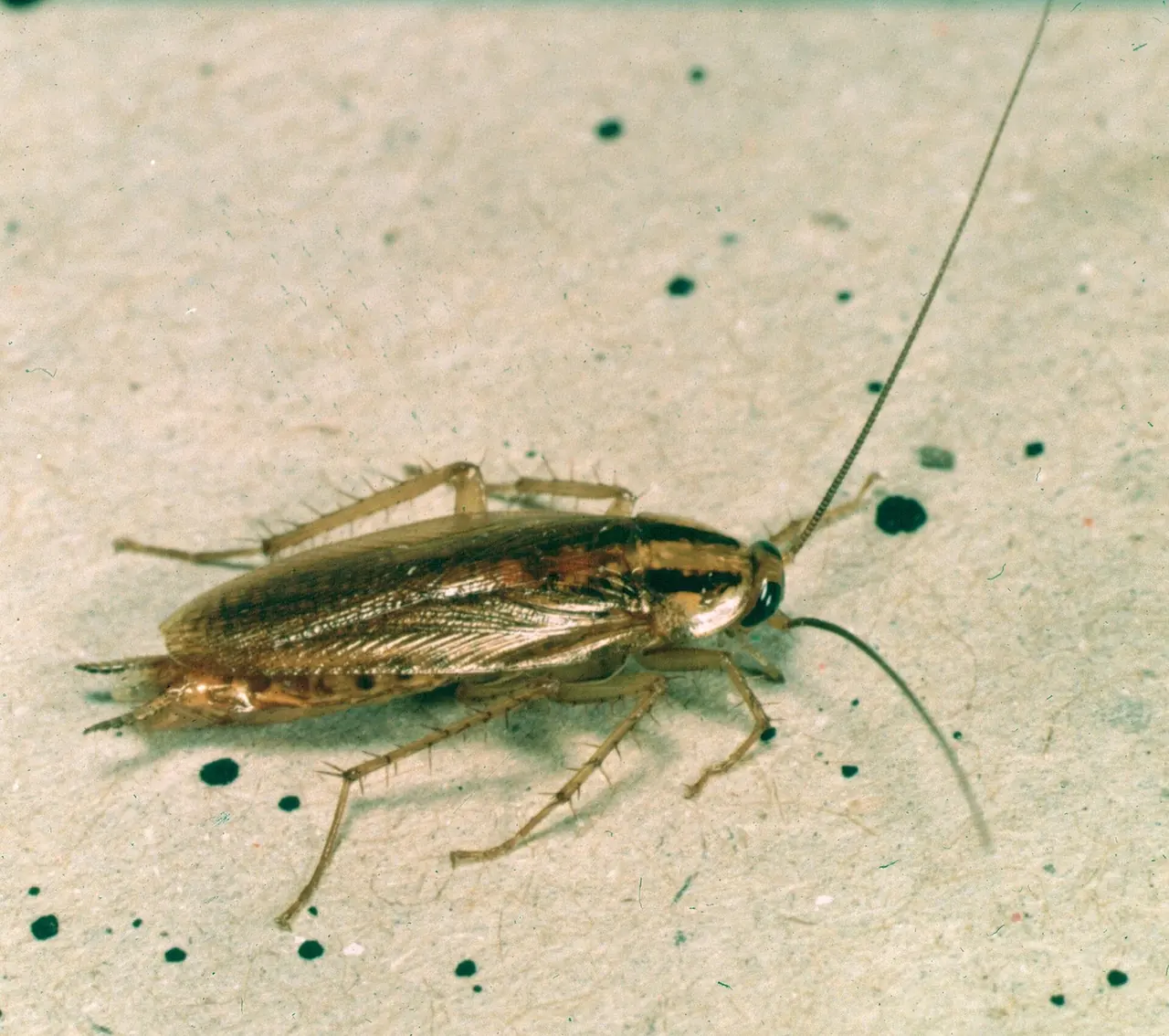
German Cockroach
The small, fast-breeding kitchen roach behind almost every serious indoor infestation in Kansas City apartments, restaurants, and homes. It lives only indoors and it does not go away on its own.
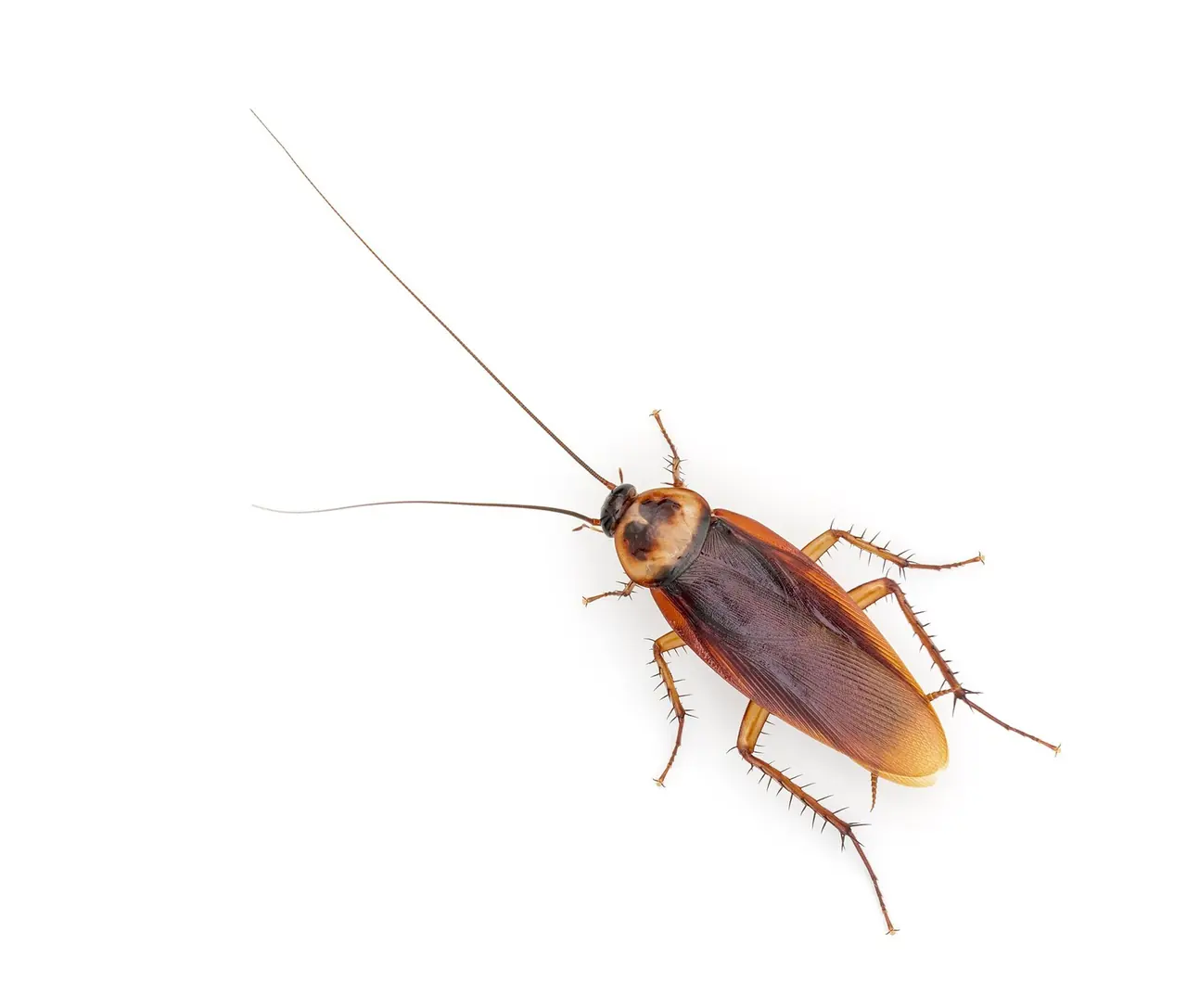
American Cockroach
The big reddish-brown "water bug" or "palmetto bug" that comes up out of basement floor drains and sewer lines in older Kansas City neighborhoods. Startling, but usually a drain and sewer problem rather than a breeding-in-your-kitchen problem.
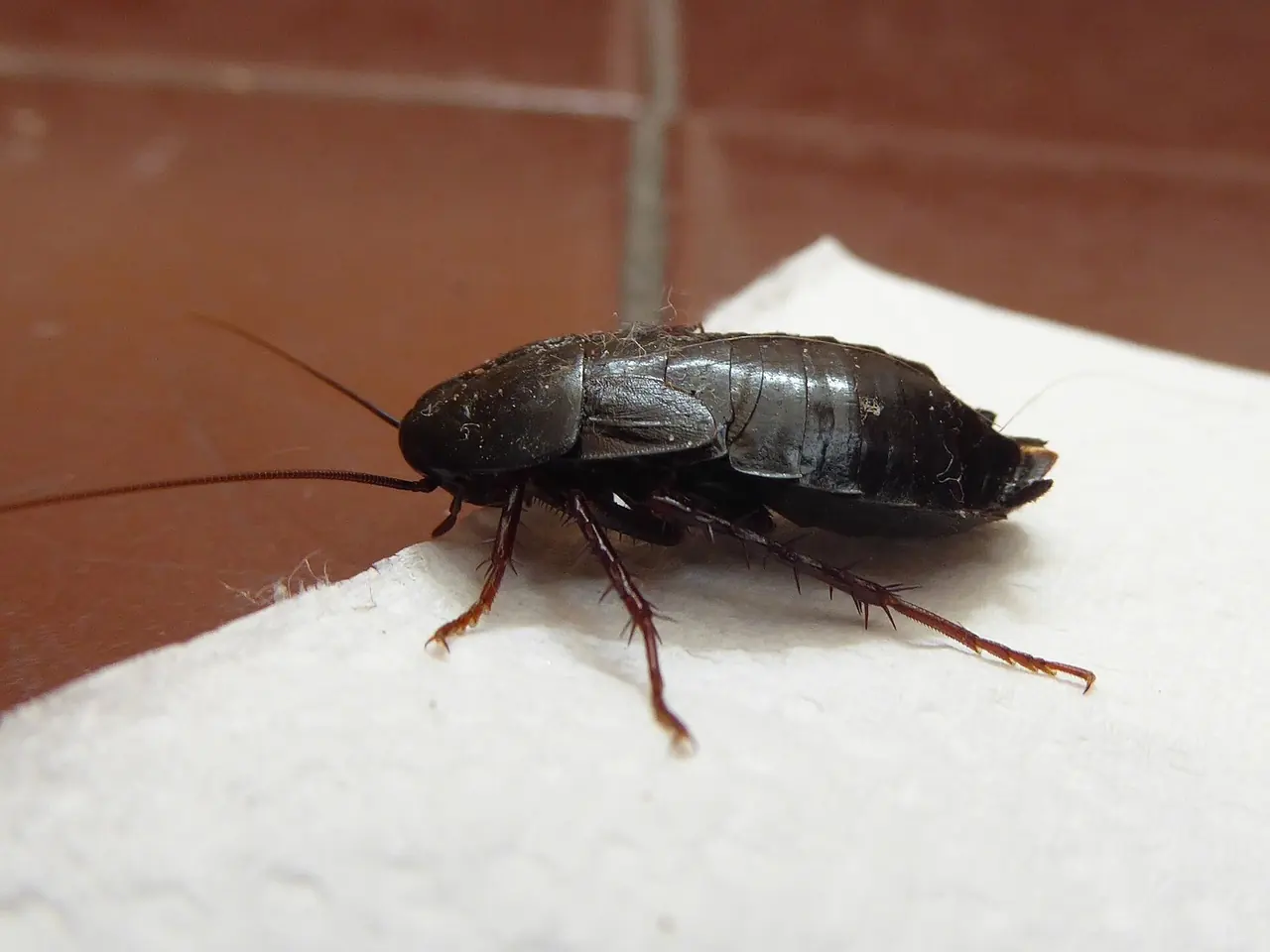
Oriental Cockroach
The shiny black roach that shows up in damp basements, crawlspaces, and around outdoor drains. It tolerates cold better than other roaches and is the one you find in the garage in March.
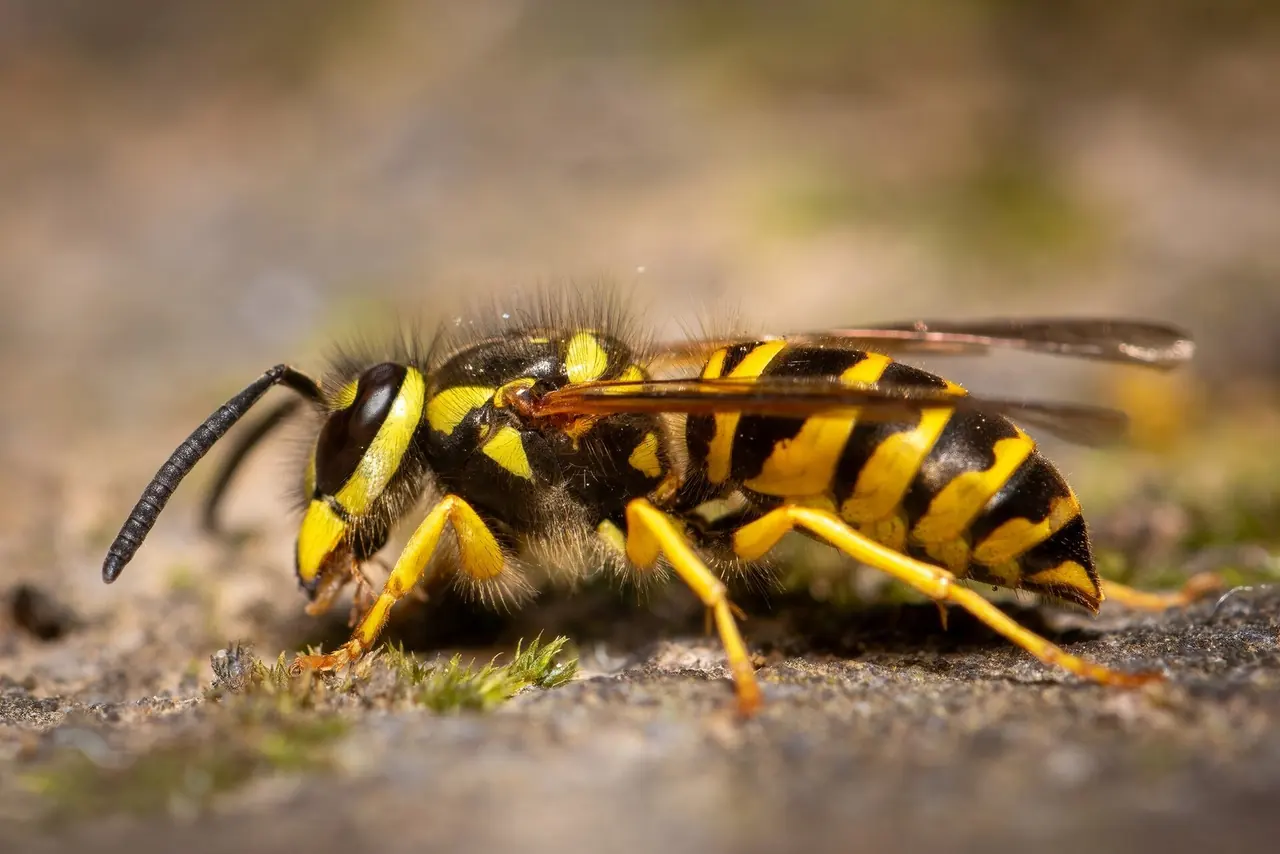
Yellowjacket
The aggressive black-and-yellow wasp that ruins August cookouts and nests underground or inside wall voids. The most dangerous stinging insect we deal with in Kansas City because of colony size and temperament.
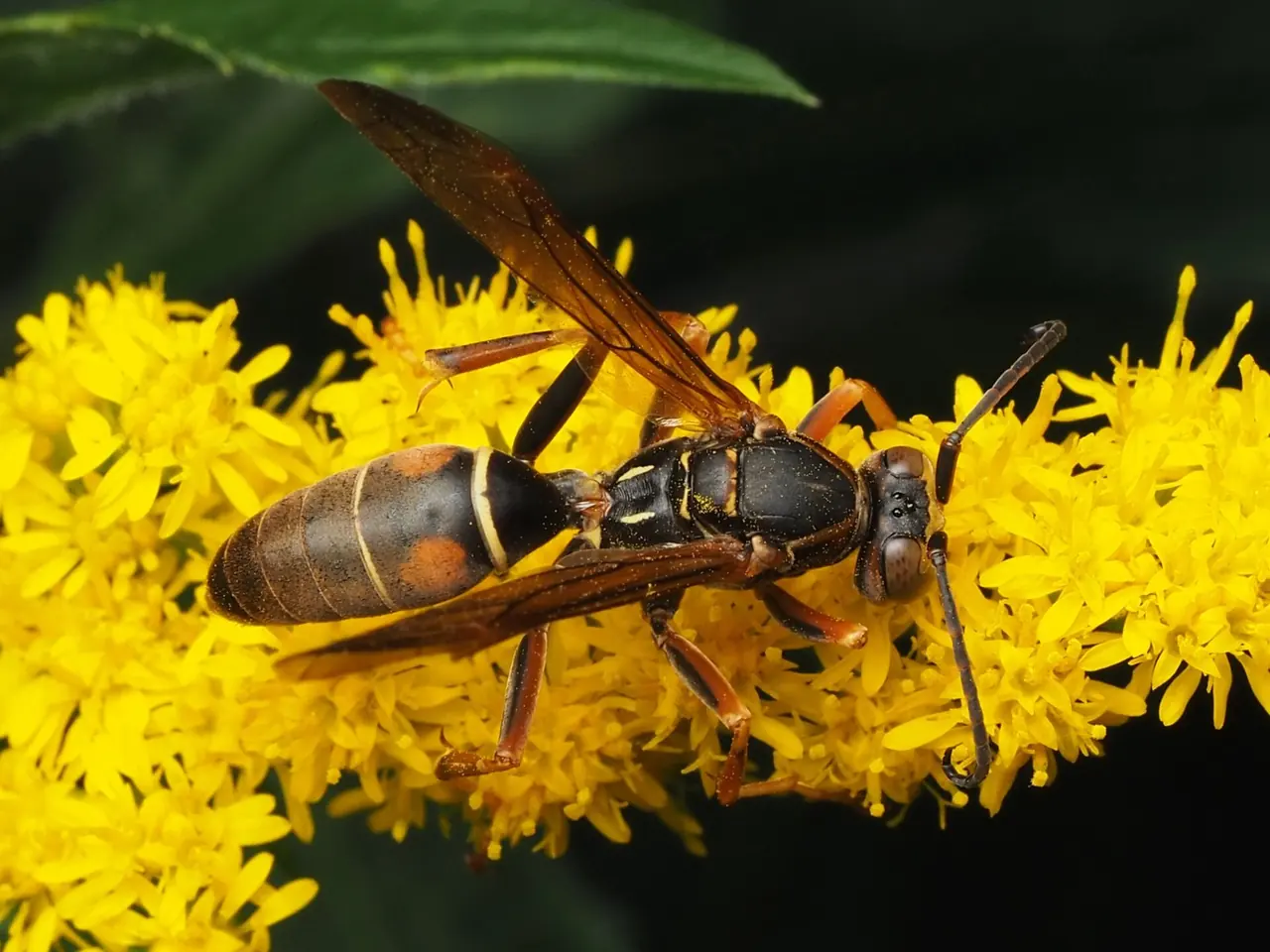
Paper Wasp
The long-legged wasp behind the open, umbrella-shaped comb under your eave, porch ceiling, or grill lid. Common on every Kansas City house, and manageable — but a nest by the front door gets somebody stung.
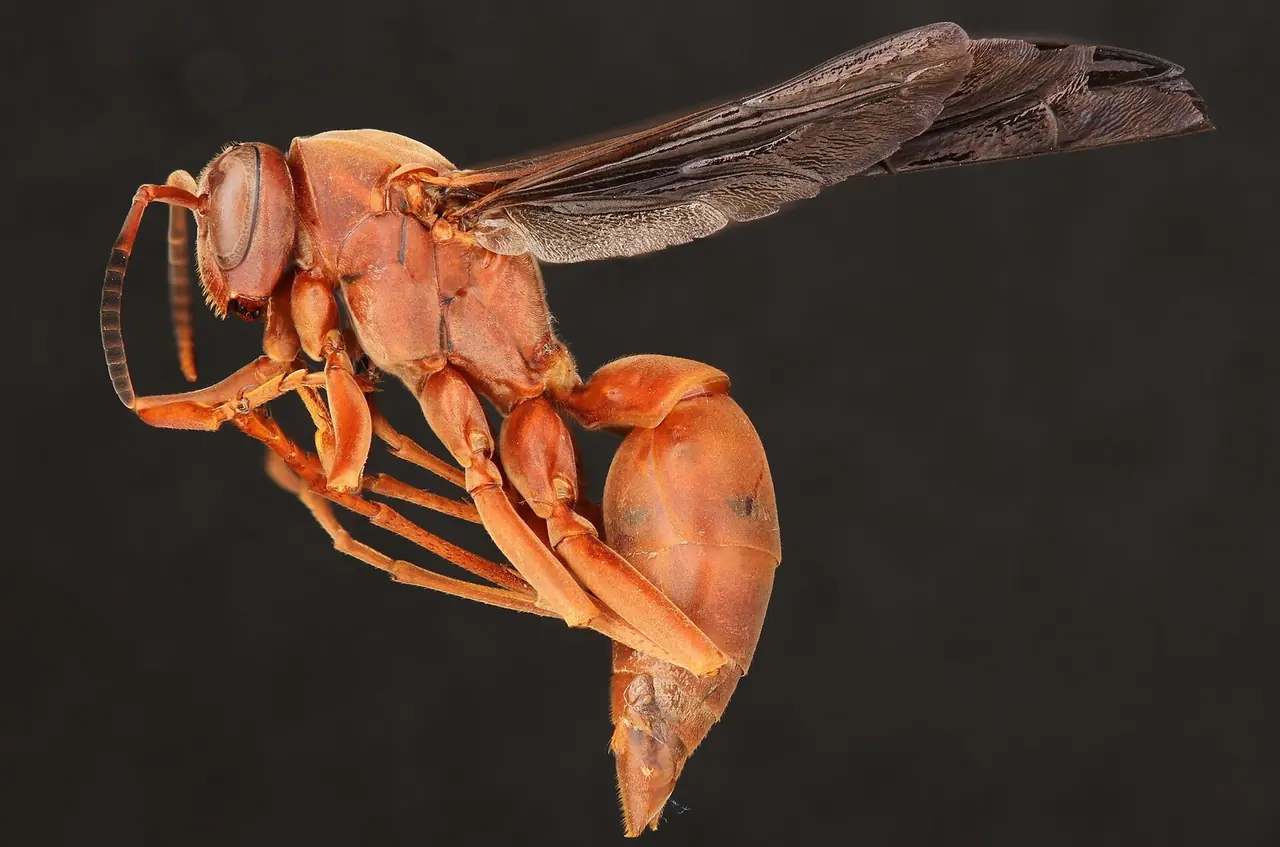
Red Wasp
A large all-red paper wasp, common across Missouri and eastern Kansas, that builds bigger combs than other paper wasps and has a reputation for a nastier sting.
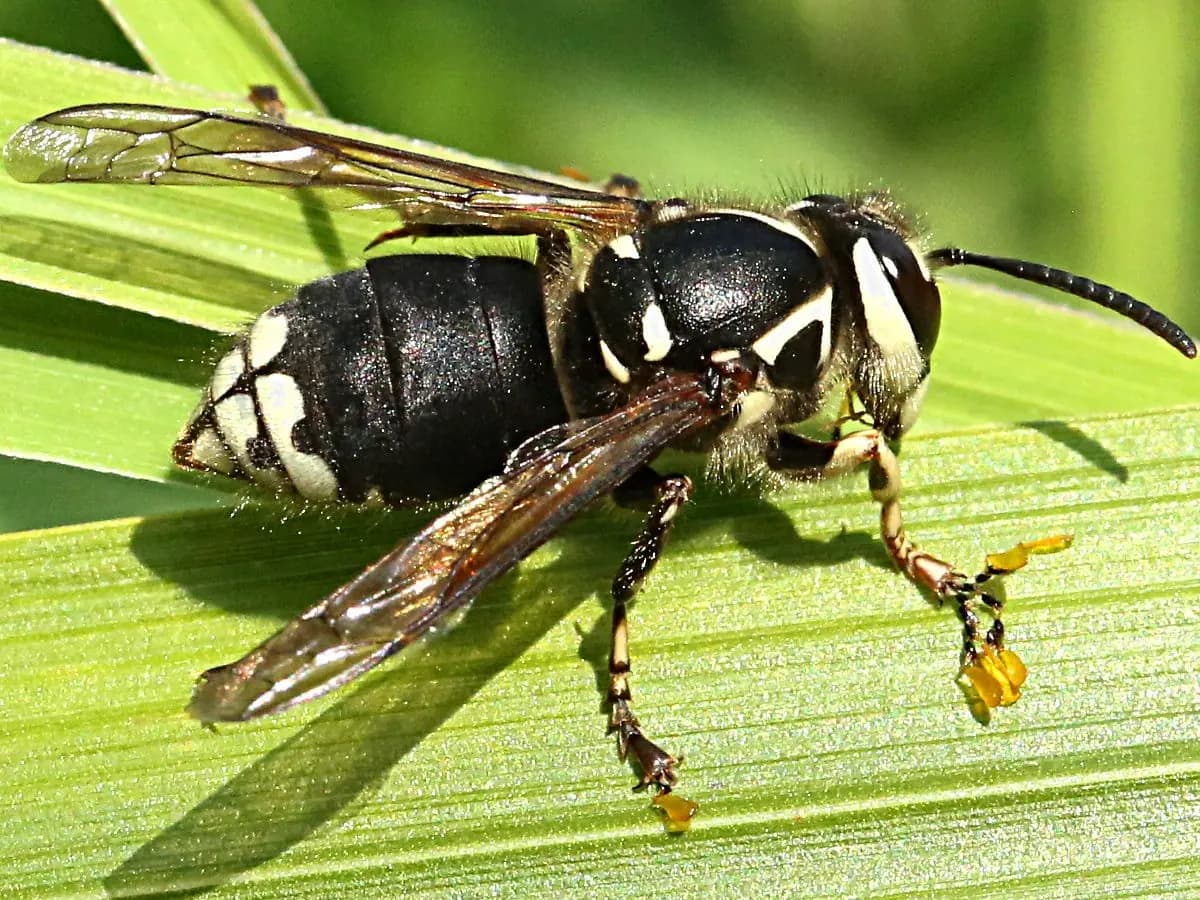
Bald-Faced Hornet
The black-and-white wasp that builds the football-sized gray paper nest hanging from a tree limb, eave, or bush. Technically a large yellowjacket, and every bit as defensive around the nest.
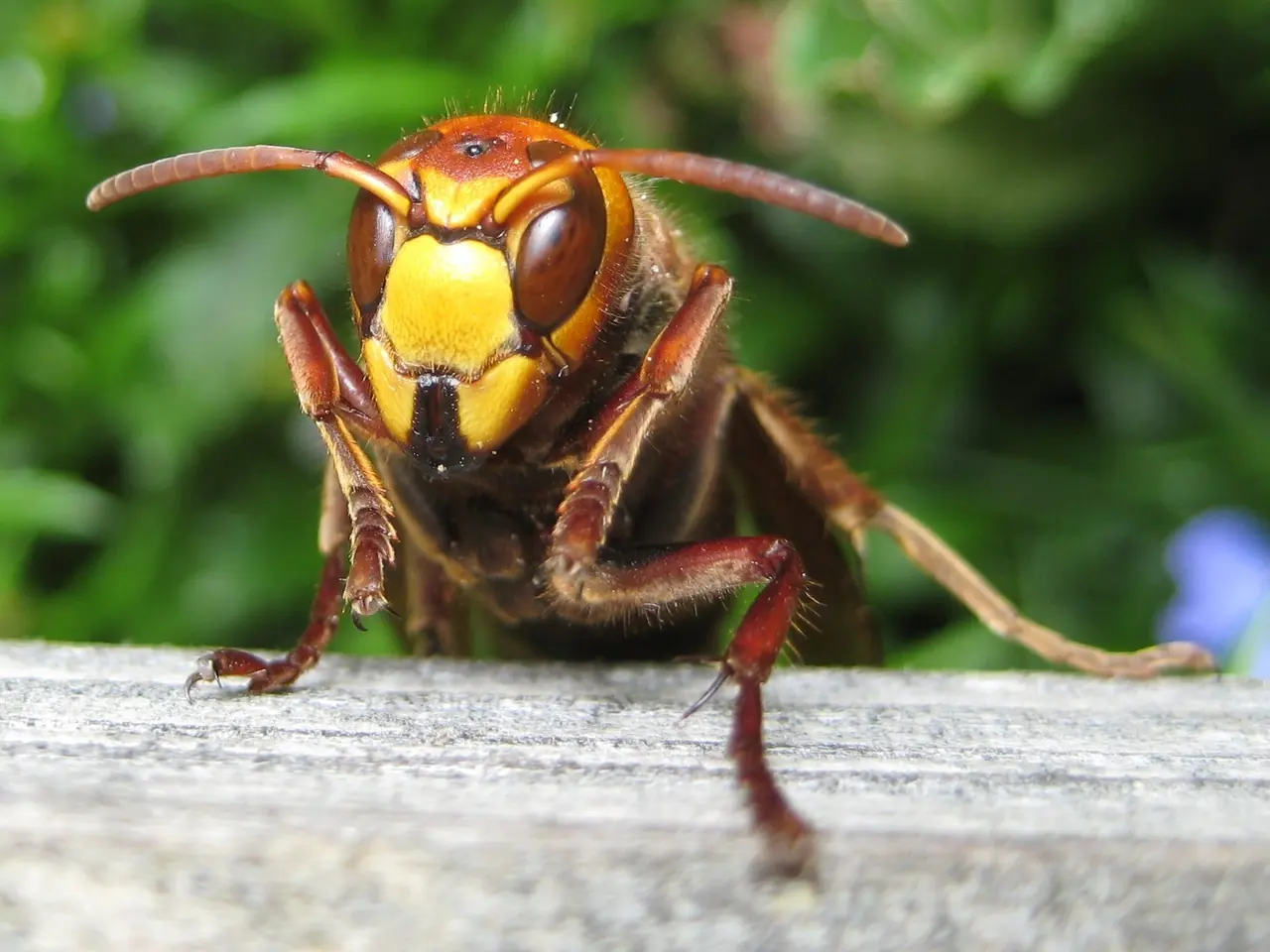
European Hornet
The only true hornet in North America, established across Missouri and into eastern Kansas. Very large, brown and yellow, and unusual in that it flies at night and bangs into lit windows.
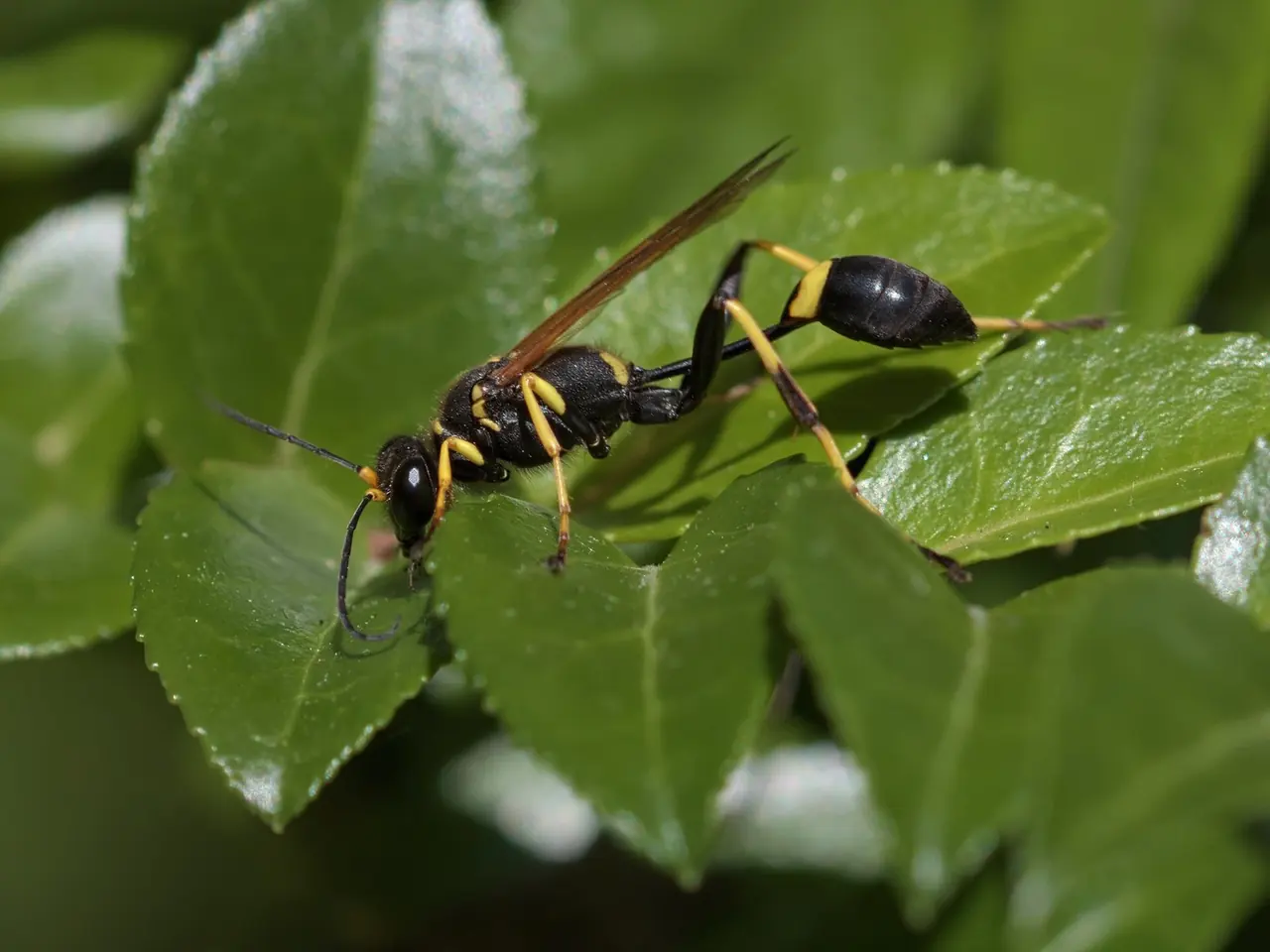
Mud Dauber
The solitary wasp that builds mud tubes on your garage wall, porch ceiling, or under the deck. Long, thin, and unbothered by you — a nuisance for the mud, not a stinging threat.
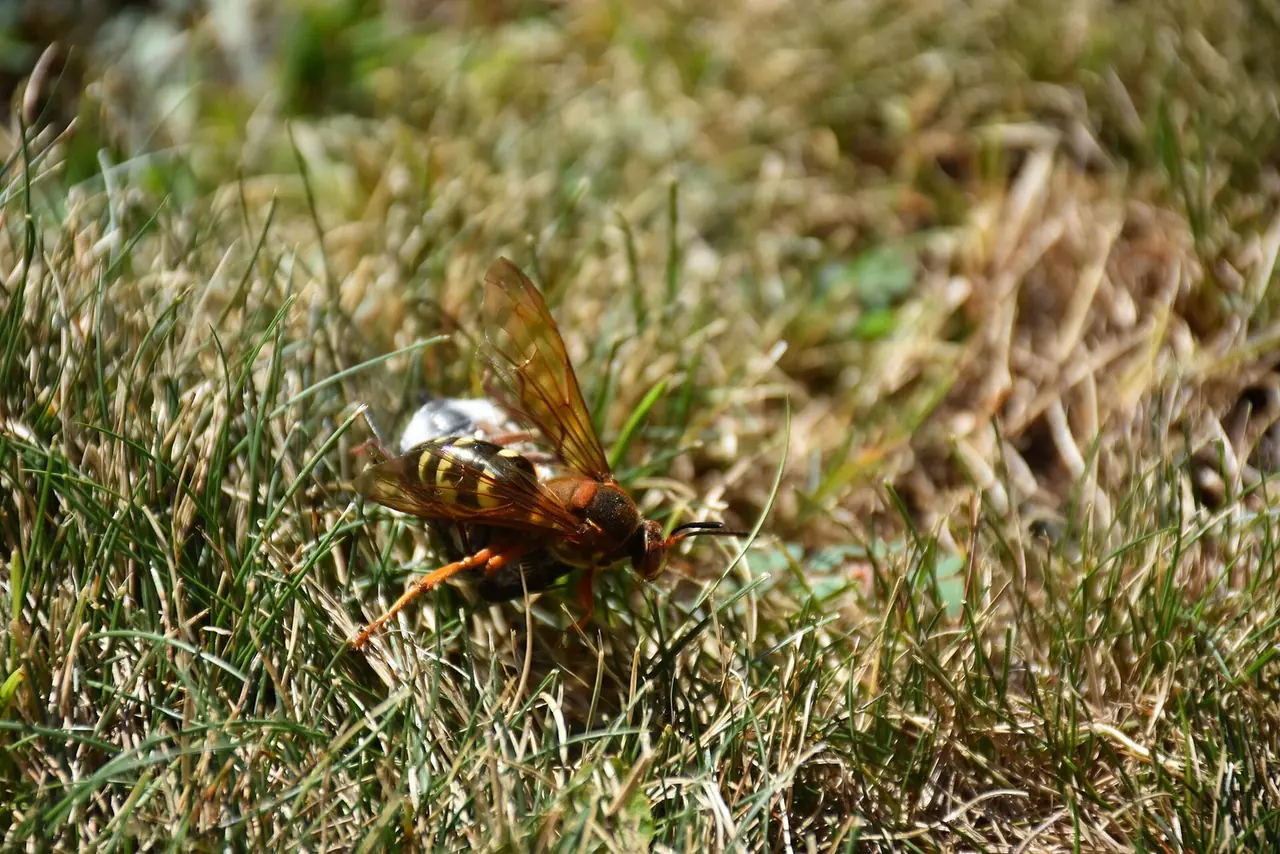
Cicada Killer
The enormous digger wasp that excavates burrows in sunny bare soil every July and drags cicadas into them. Alarming because of its size; nearly harmless because it is solitary and has no colony to defend.
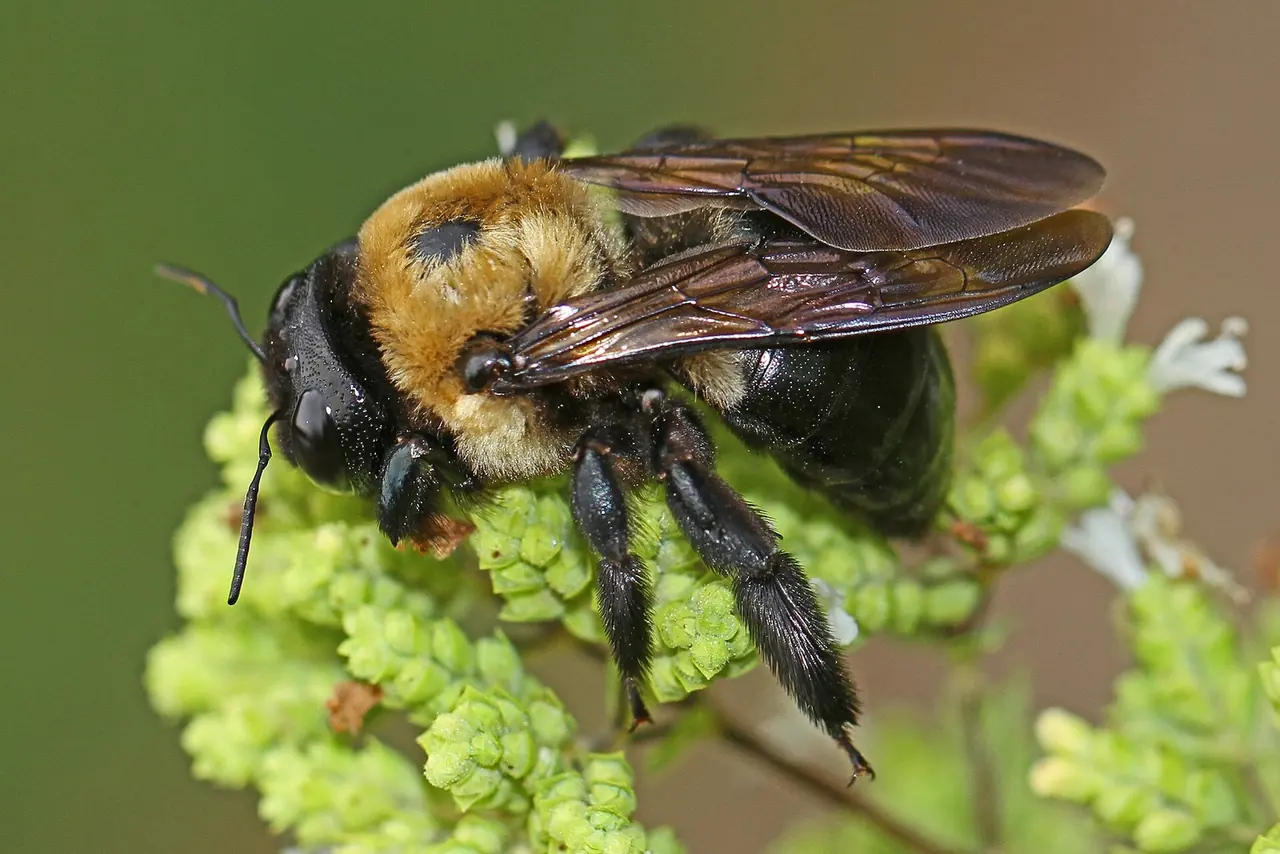
Carpenter Bee
The big black-and-yellow bee drilling perfect half-inch holes into your deck rail, fascia, or cedar siding every spring. It is a pollinator, but it is also the one bee that damages wood.
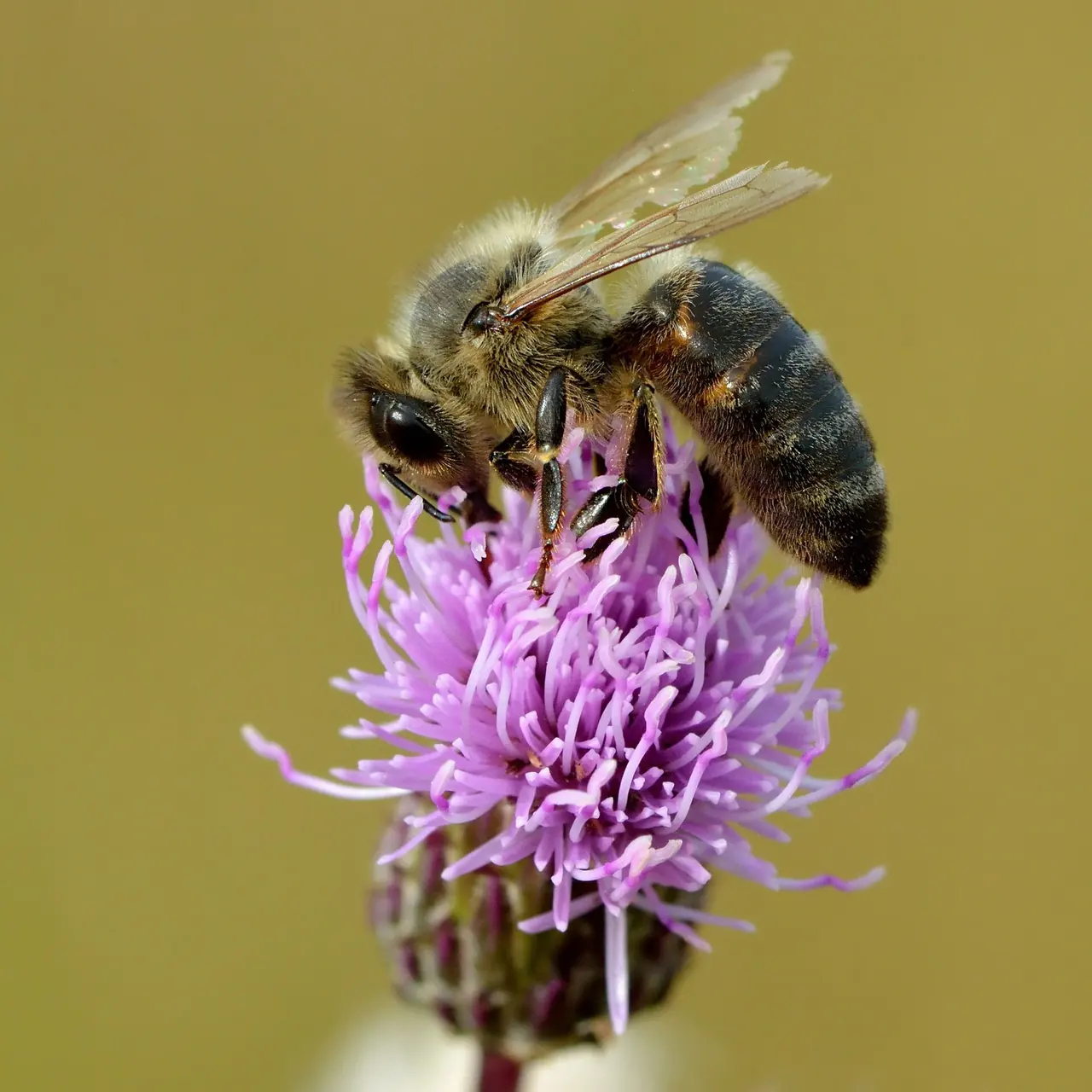
Honey Bee
The managed pollinator every food crop depends on. We do not exterminate honey bee colonies. If a swarm lands on your fence or a colony moves into your wall, the right call is a beekeeper, and we will help you find one.
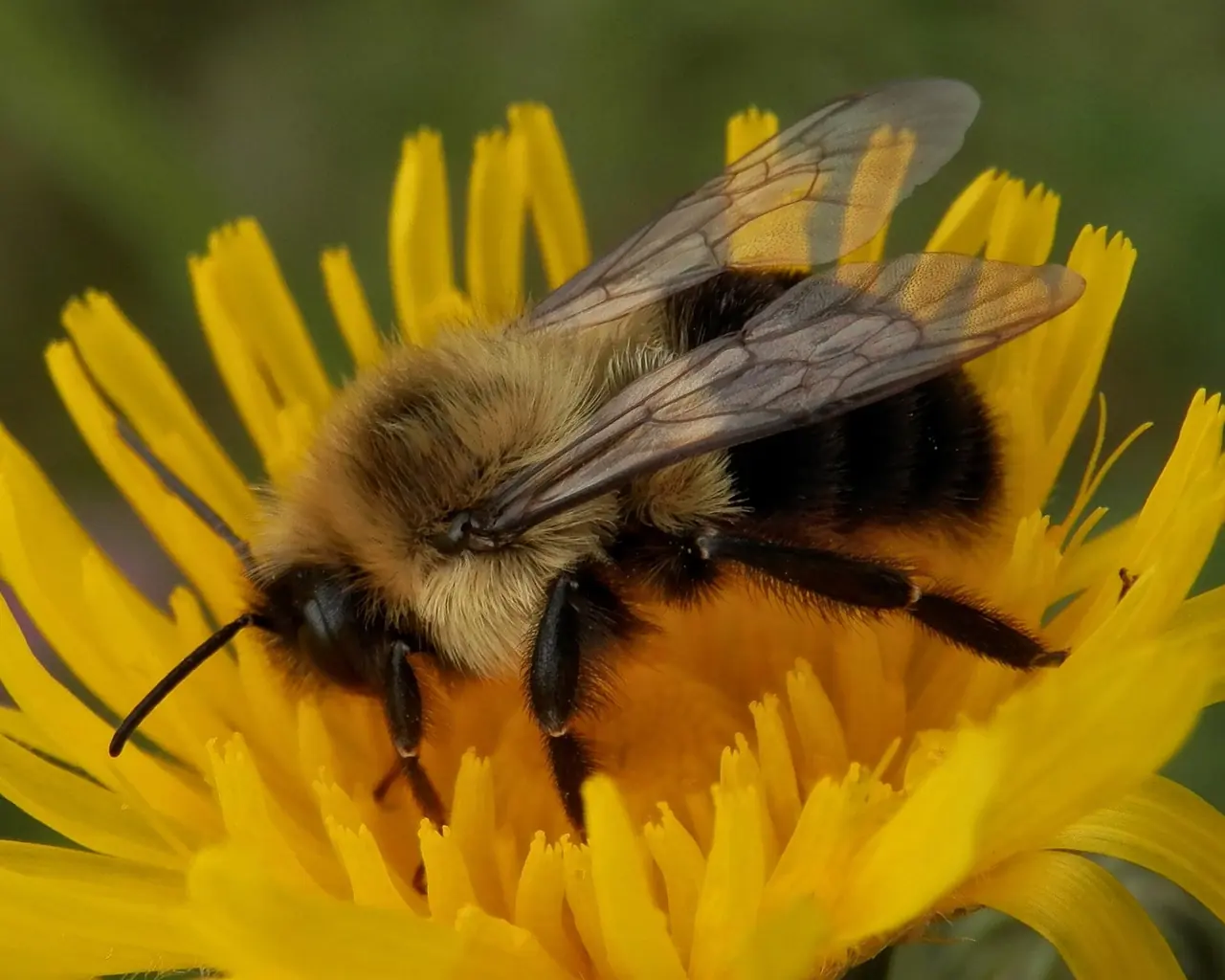
Bumble Bee
The fuzzy, slow-flying bee that nests in old mouse holes, compost, and under sheds. An important native pollinator and, several species being in decline, one we leave alone unless a nest is somewhere truly unworkable.
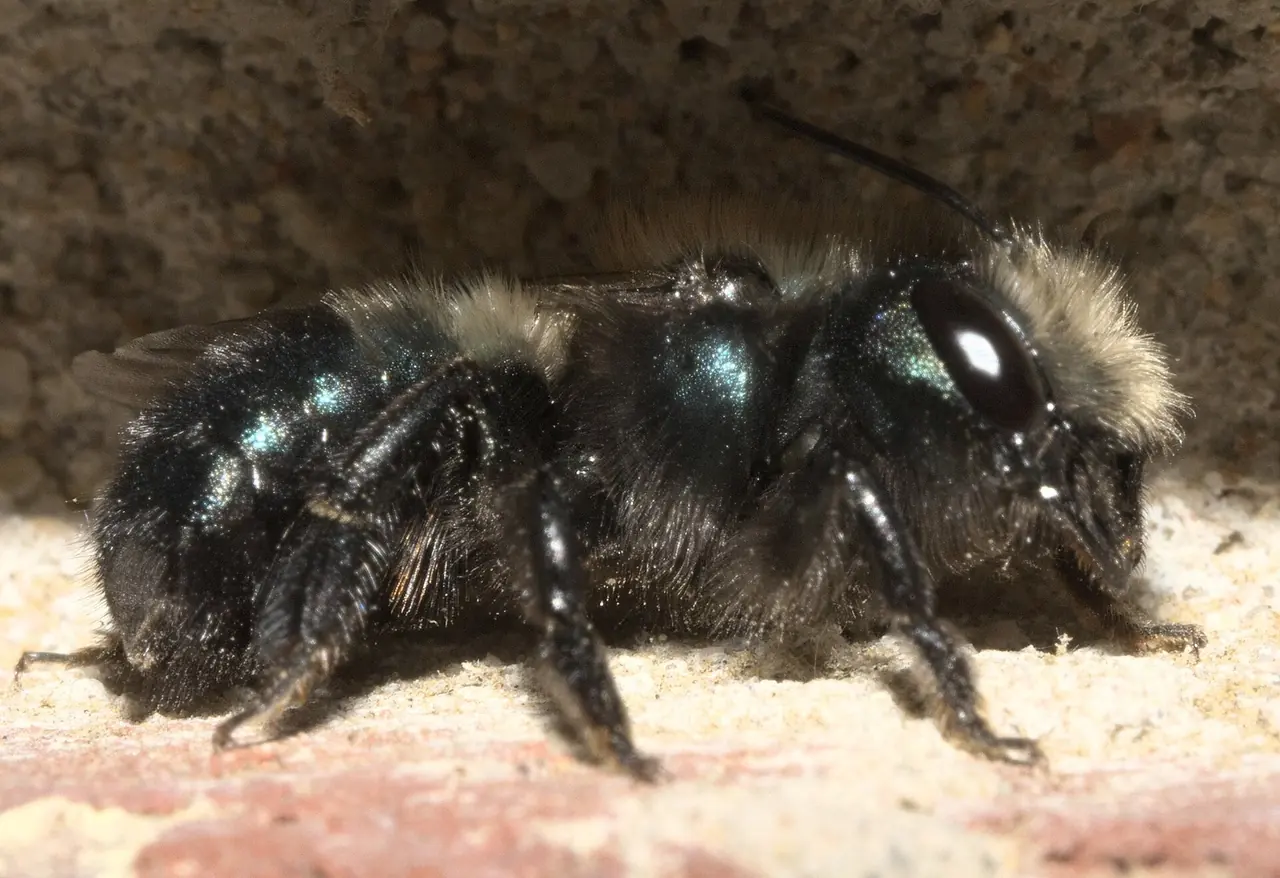
Mason Bee
A small metallic blue-green solitary bee that seals its nest tubes with mud and pollinates fruit trees better than honey bees. If you see mud-capped holes in a bee house or in old nail holes, this is who lives there.
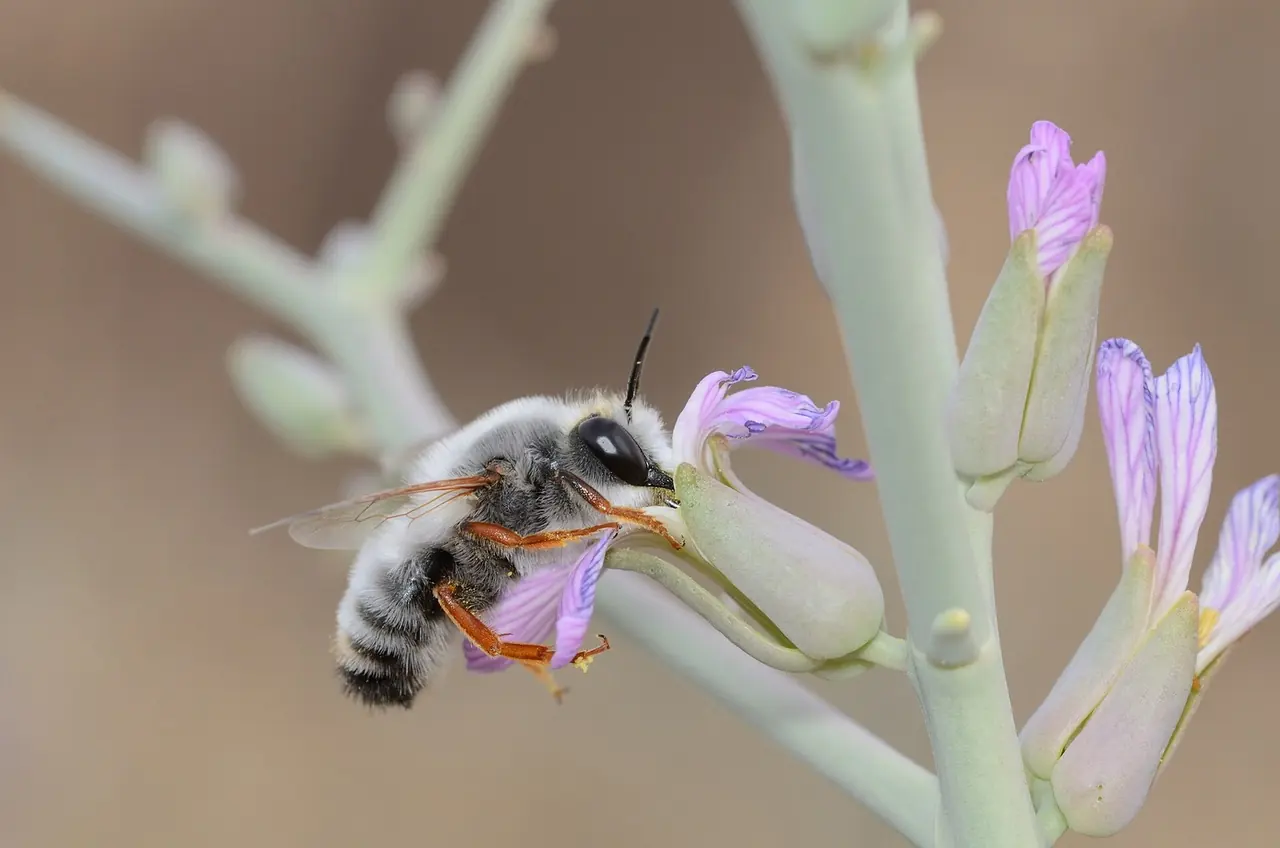
Leafcutter Bee
The bee responsible for the neat half-circle notches cut from rose and redbud leaves. Solitary, gentle, and a top-tier pollinator of alfalfa and garden vegetables.
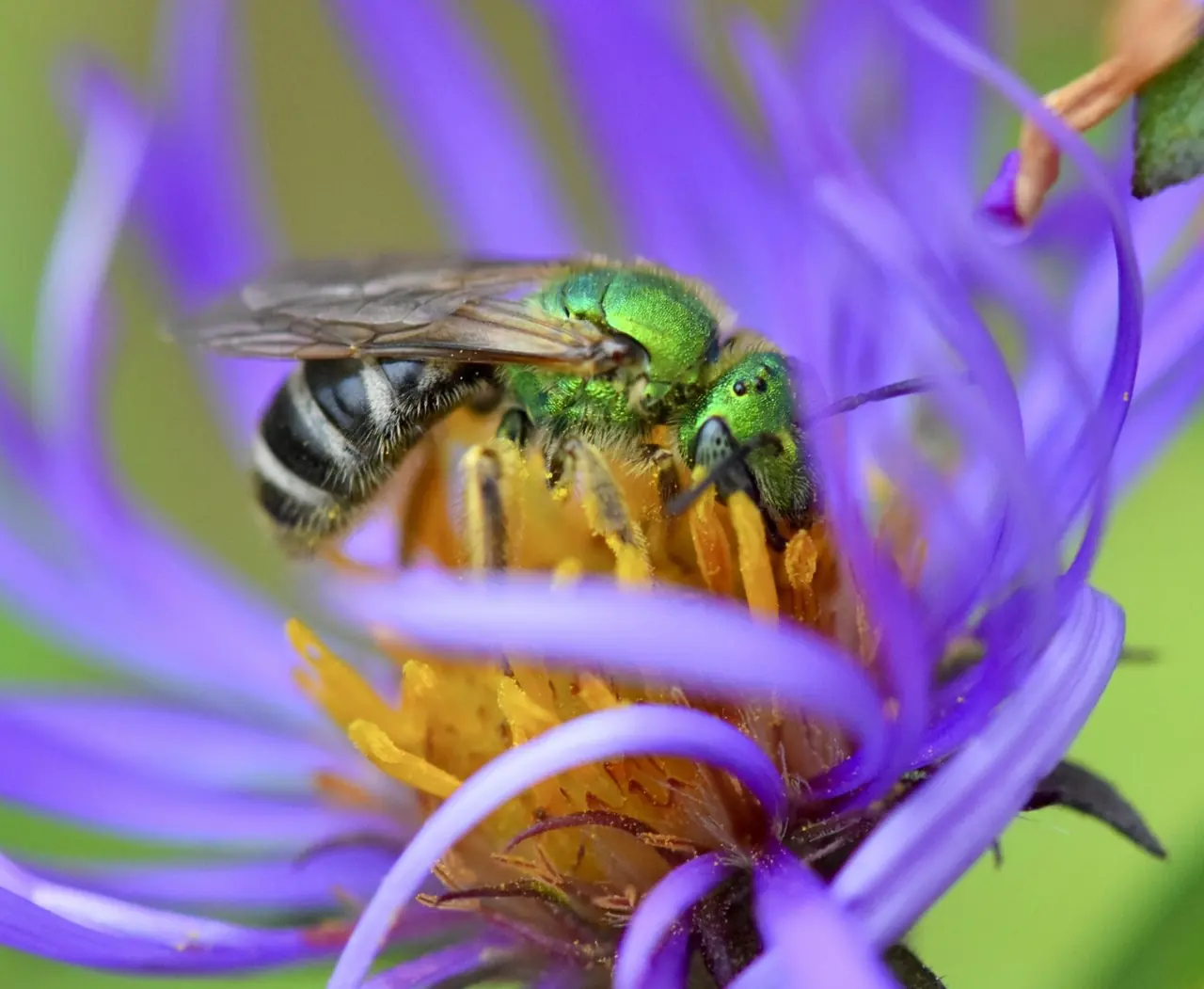
Sweat Bee
The tiny bee that lands on your arm on a hot day to lap up sweat for its salt. Many are bright metallic green. Annoying at a ballgame, essential in a garden, and not a structural pest.
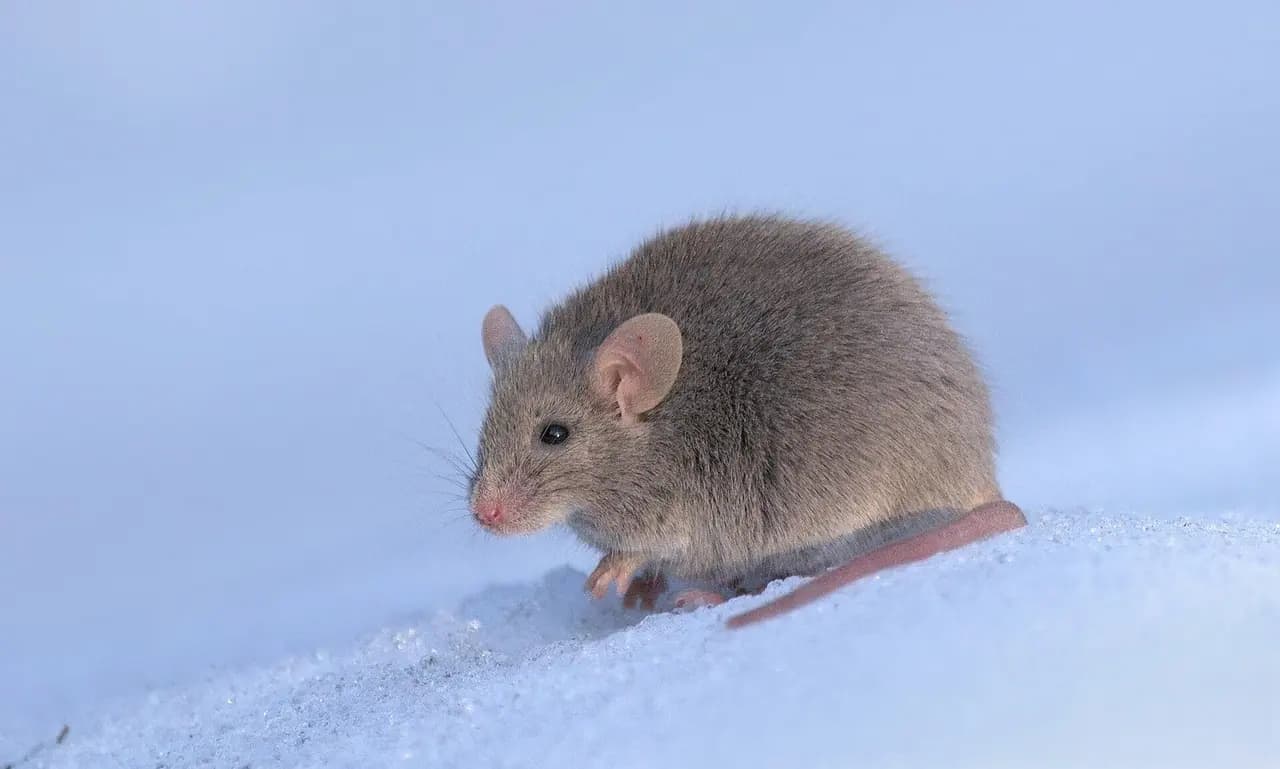
House Mouse
The rodent behind the vast majority of Kansas City fall calls. A mouse can enter through a gap about a quarter inch wide — if a pencil fits, a mouse fits — and once one is inside, more are coming behind it.
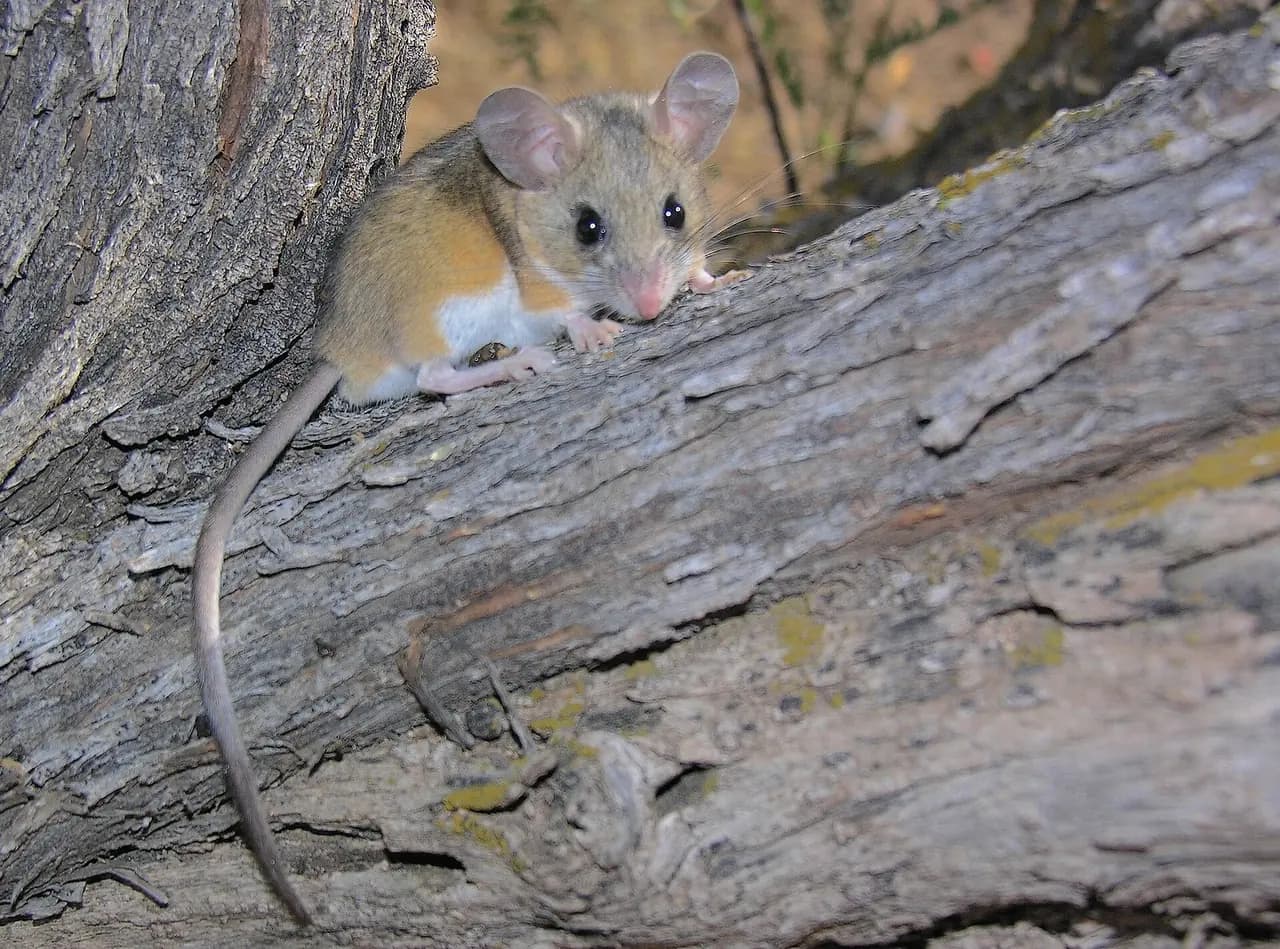
Deer Mouse
A more rural cousin of the house mouse, common around outbuildings, garages, and homes bordering fields or woods in Cass and Miami counties. Medically more significant than house mice because of hantavirus.
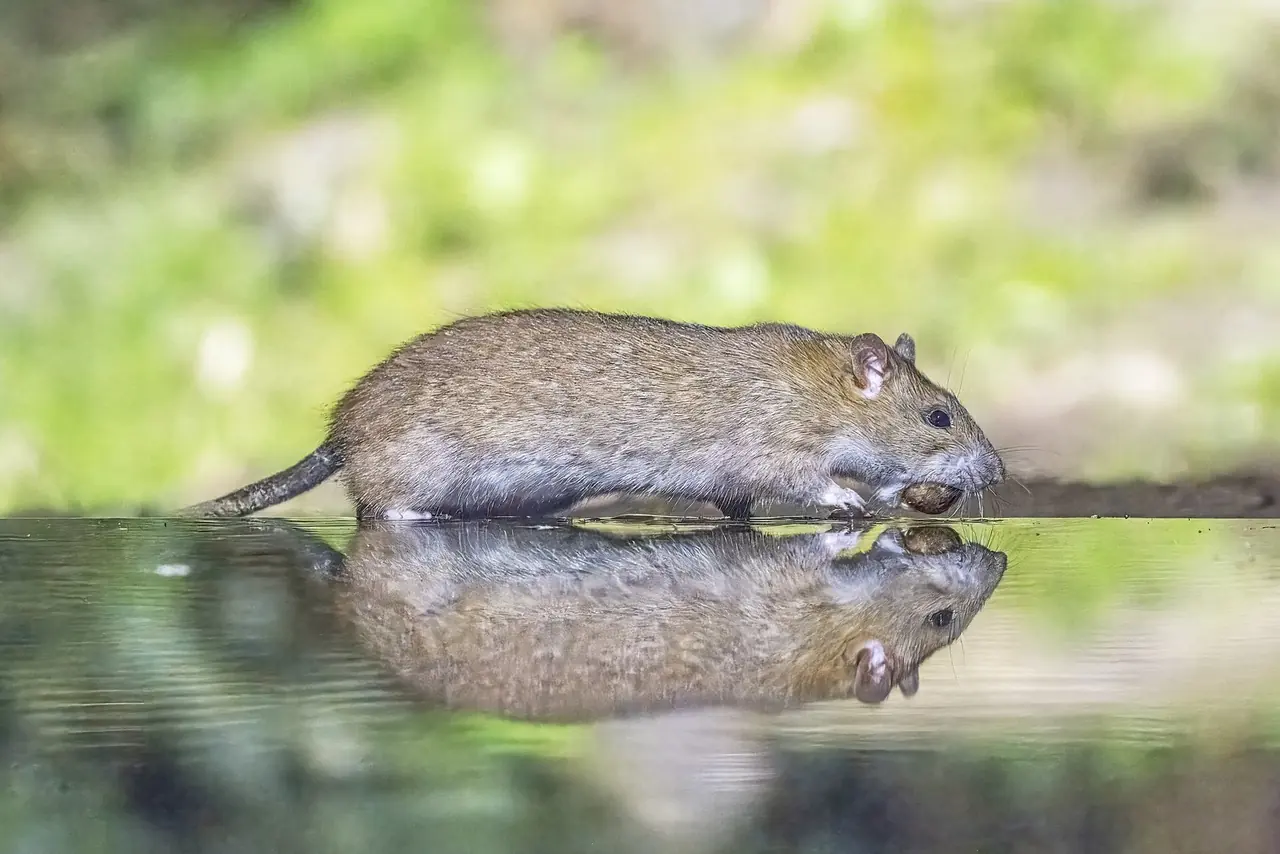
Norway Rat
The common brown rat that burrows along foundations, under sheds, and in landscaping, and shows up around dumpsters and drainage. Larger and more destructive than a mouse, and a real problem for both homes and commercial properties.
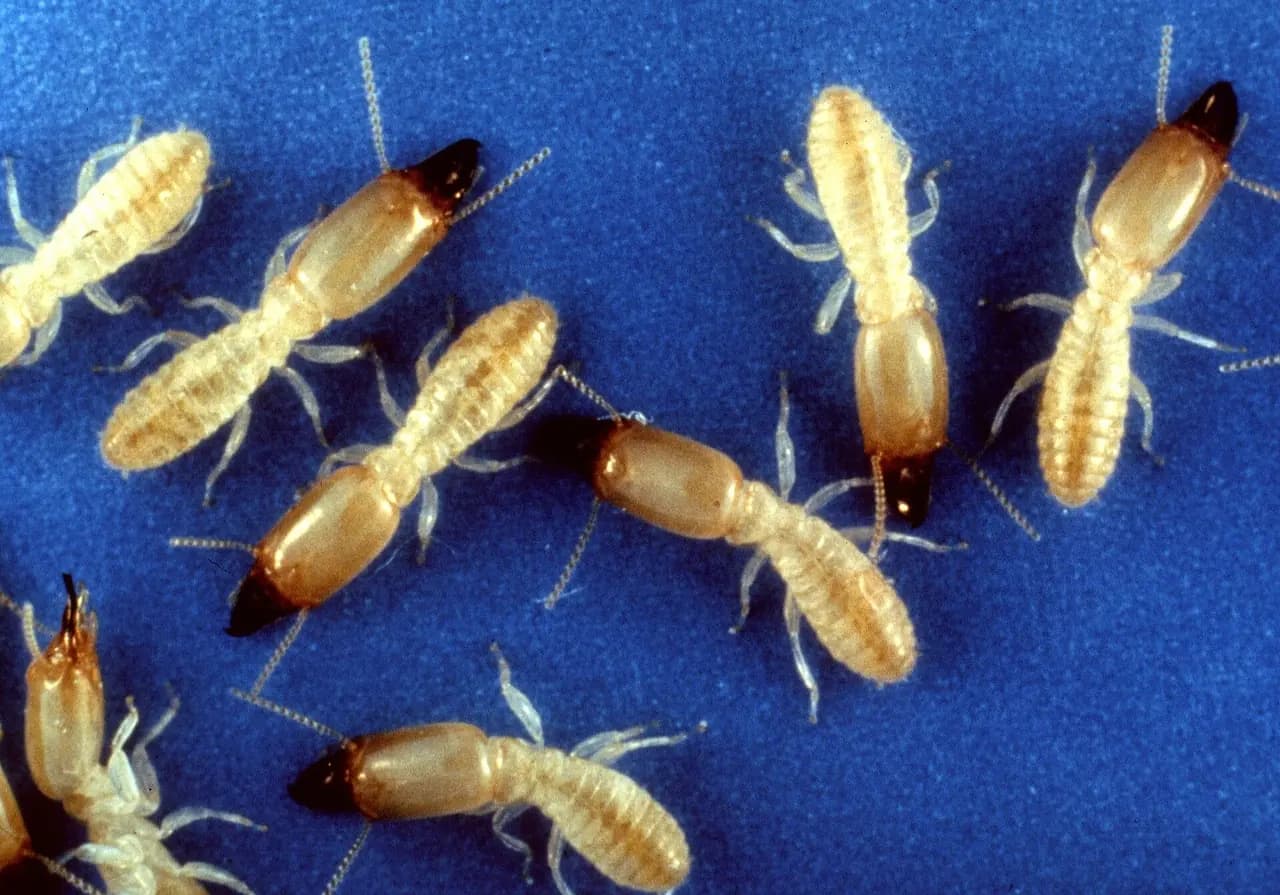
Subterranean Termite
The termite species responsible for essentially all structural termite damage in the Kansas City area. Colonies live in the soil and build mud tubes to reach wood, working silently for years before damage is visible.
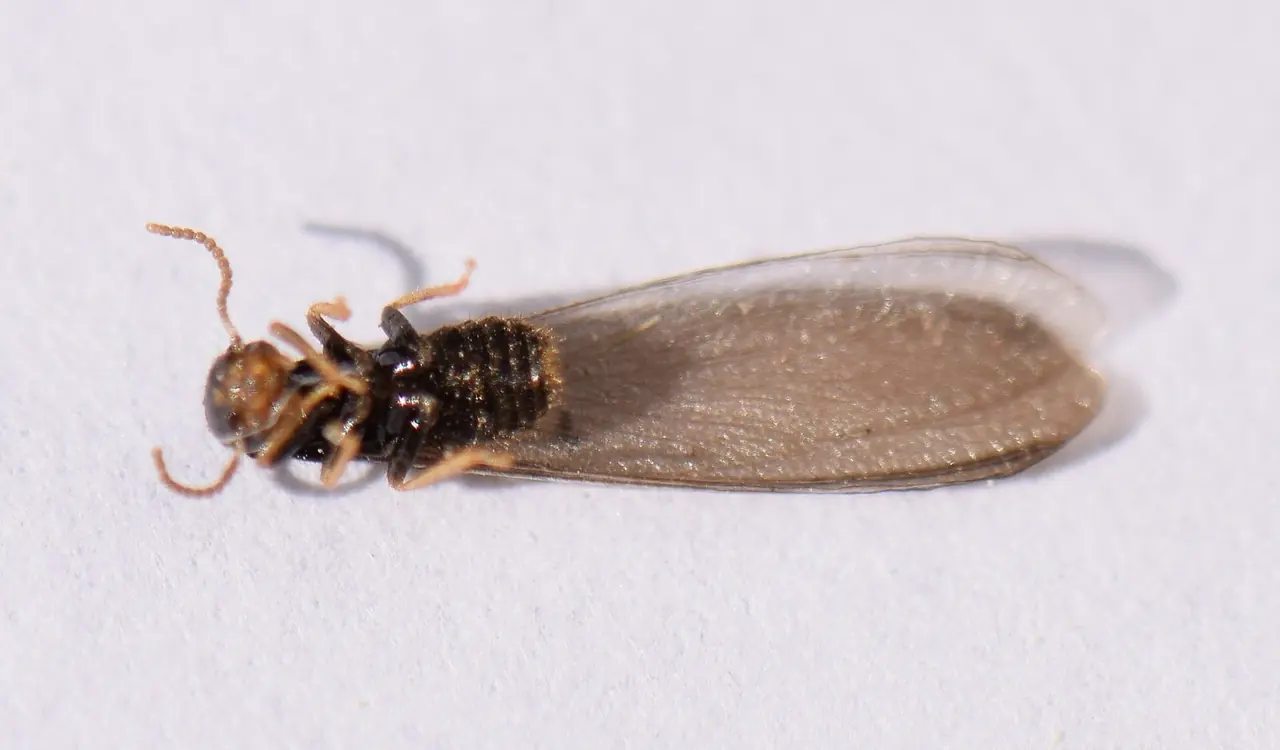
Termite Swarmer
The winged reproductive termites that emerge in a swarm to start new colonies — usually the first visible sign homeowners notice, and the clearest sign it's time to schedule an inspection.
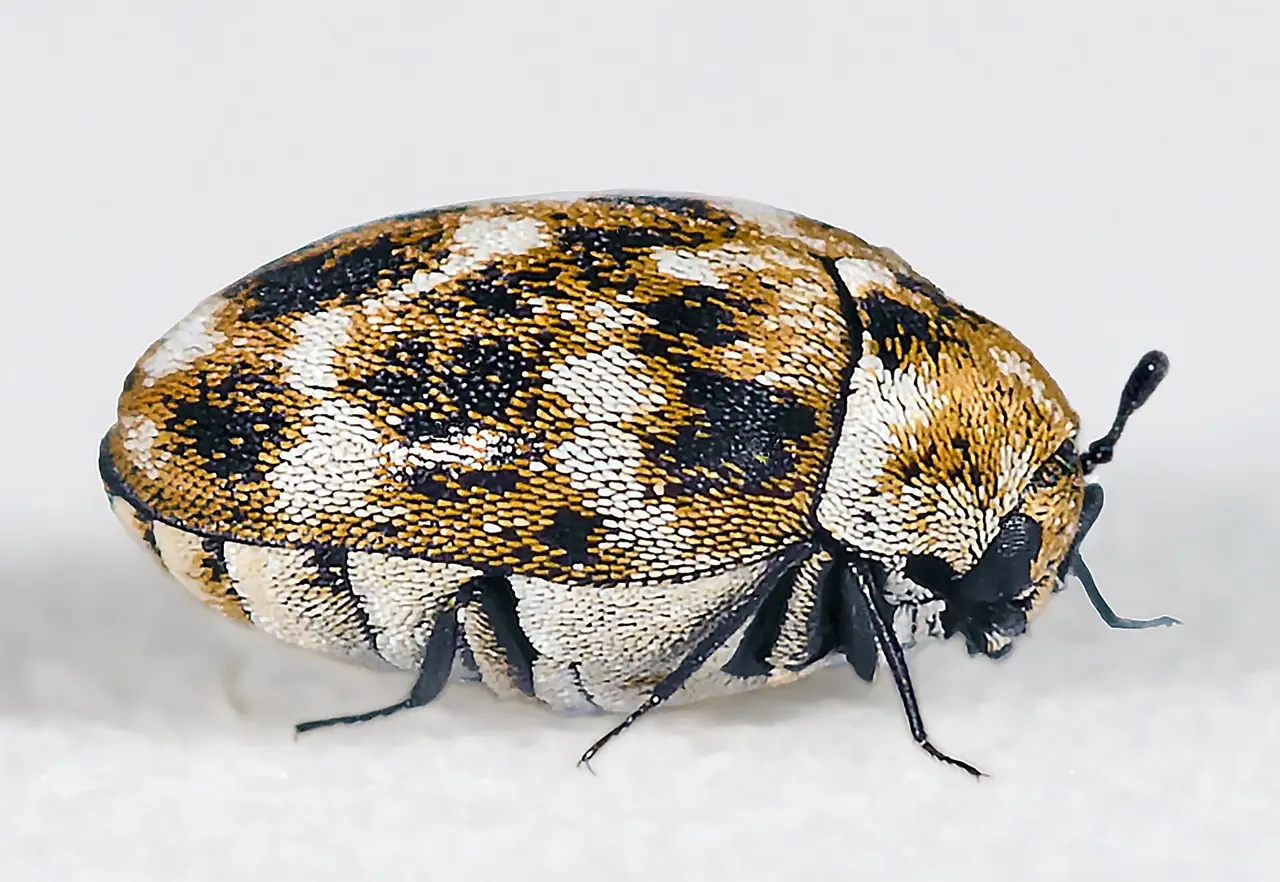
Carpet Beetle
Adults are harmless flower visitors, but the fuzzy, bristly larvae eat wool, silk, fur, feathers, and pet hair — the actual cause of unexplained holes in sweaters, rugs, and heirloom textiles.
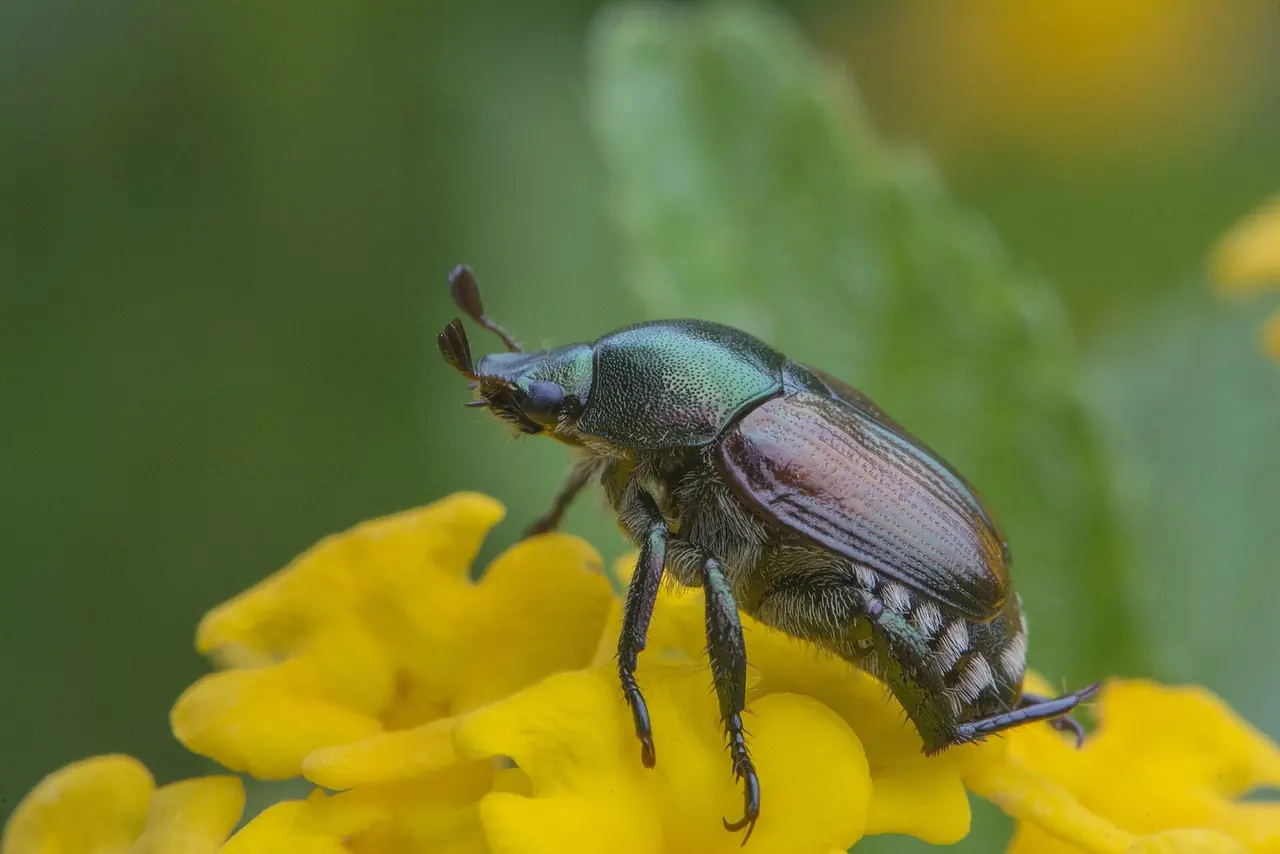
Japanese Beetle
The metallic green-and-copper beetle that skeletonizes rose bushes, grapevines, and linden trees every July. A lawn and garden pest, not a home-invader — its larvae (white grubs) feed on turf roots.
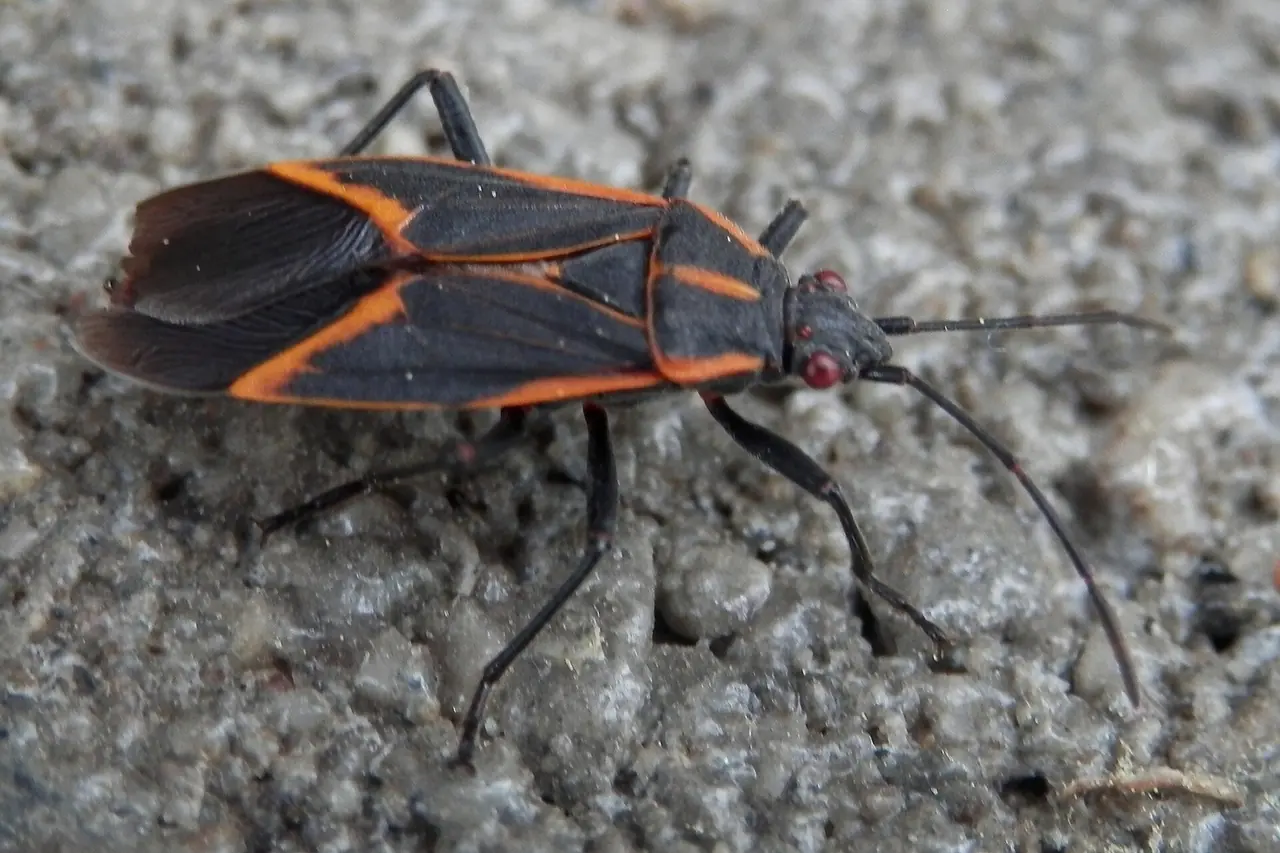
Boxelder Bug
The black bug with red-orange wing edges that gathers by the hundreds on sun-warmed, south-facing walls every fall looking for a place to overwinter. A classic Kansas City occasional invader tied directly to boxelder and maple trees.
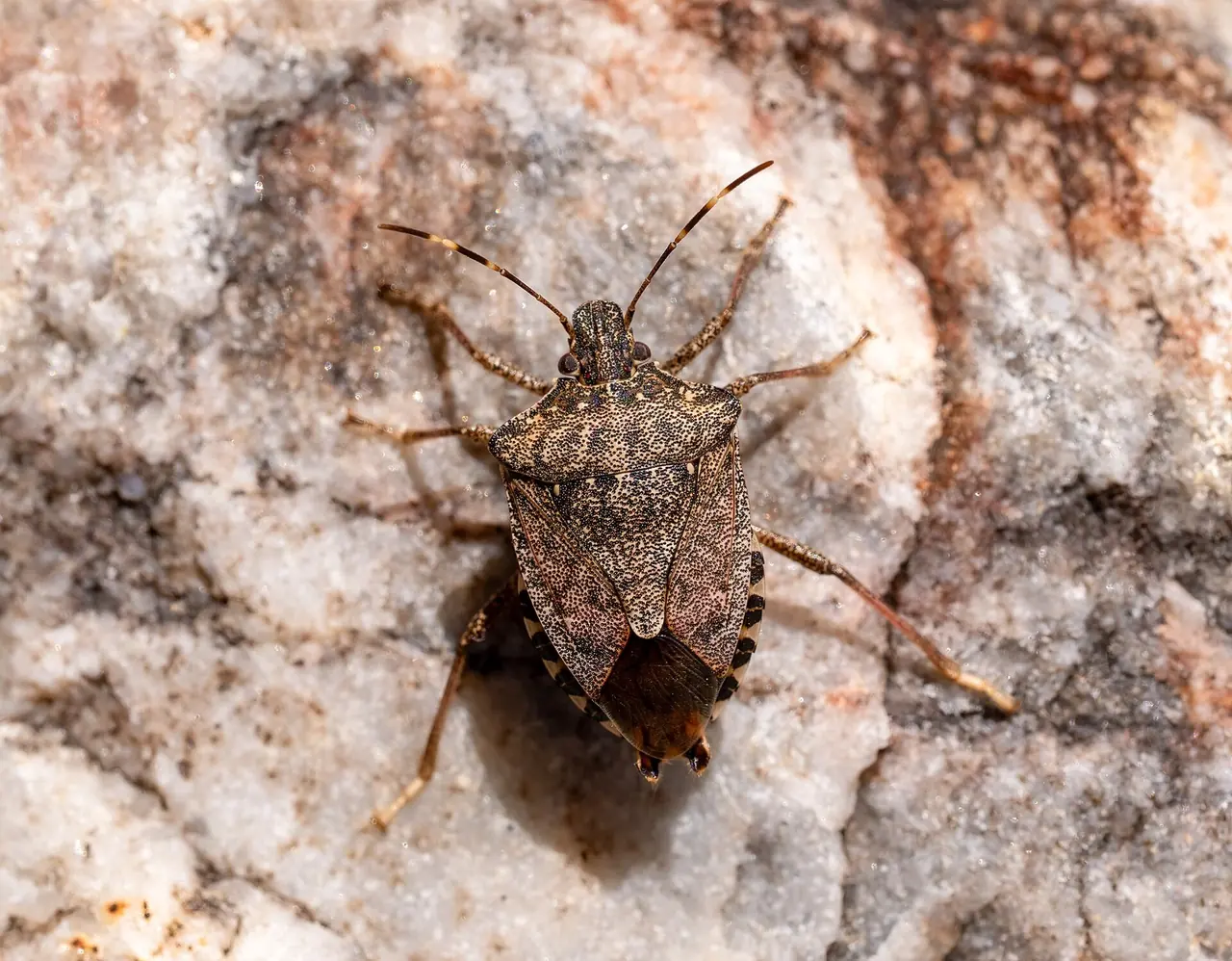
Stink Bug
A shield-shaped bug that invades homes by the dozens in fall looking for a place to overwinter, and releases a strong odor when disturbed or crushed. The invasive brown marmorated species has spread through the Kansas City area over the past decade.
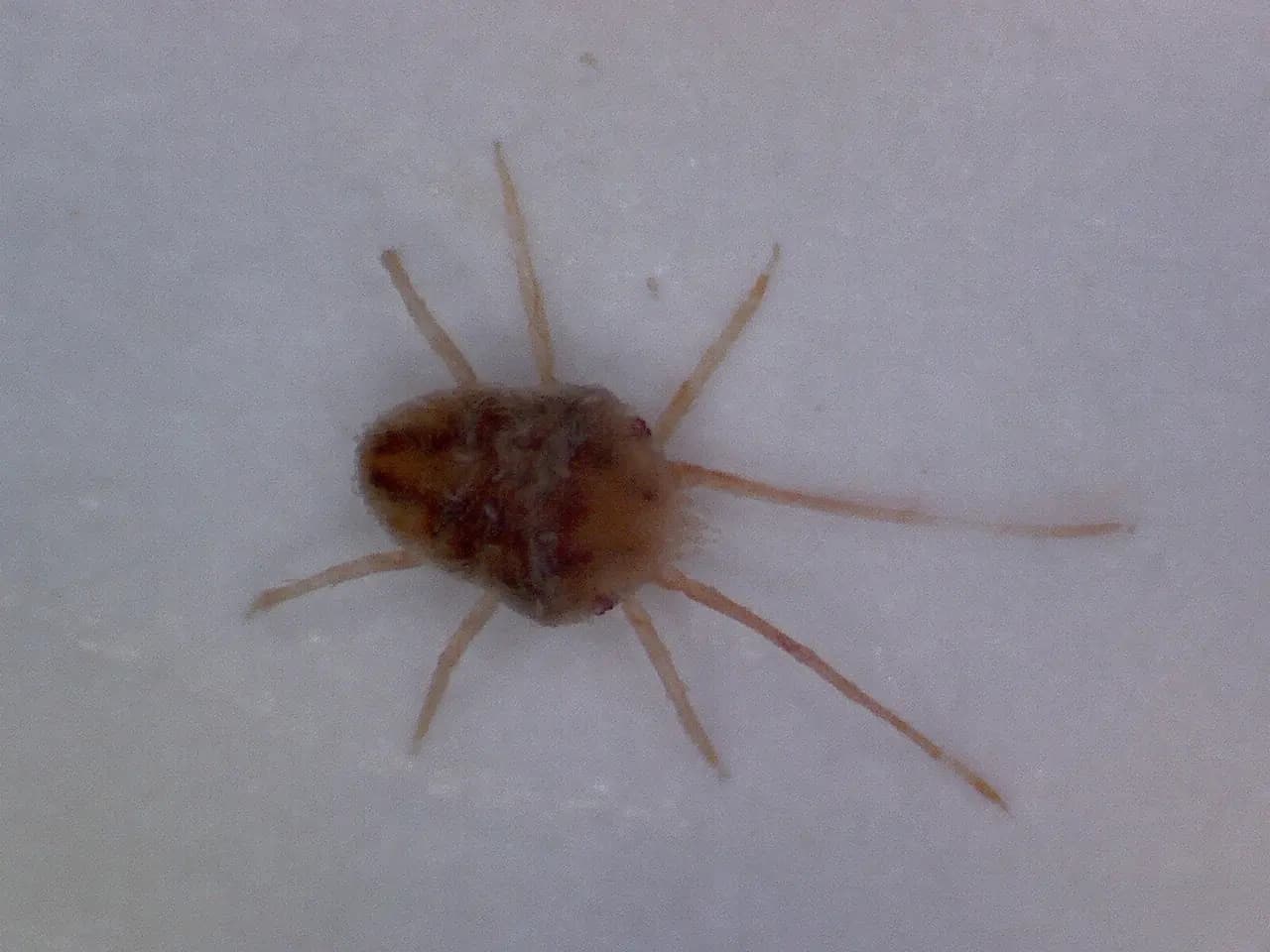
Clover Mite
A tiny reddish mite that can appear indoors by the hundreds in spring and fall, leaving red streaks when crushed. Tied to thick, well-fertilized lawns close to the foundation.
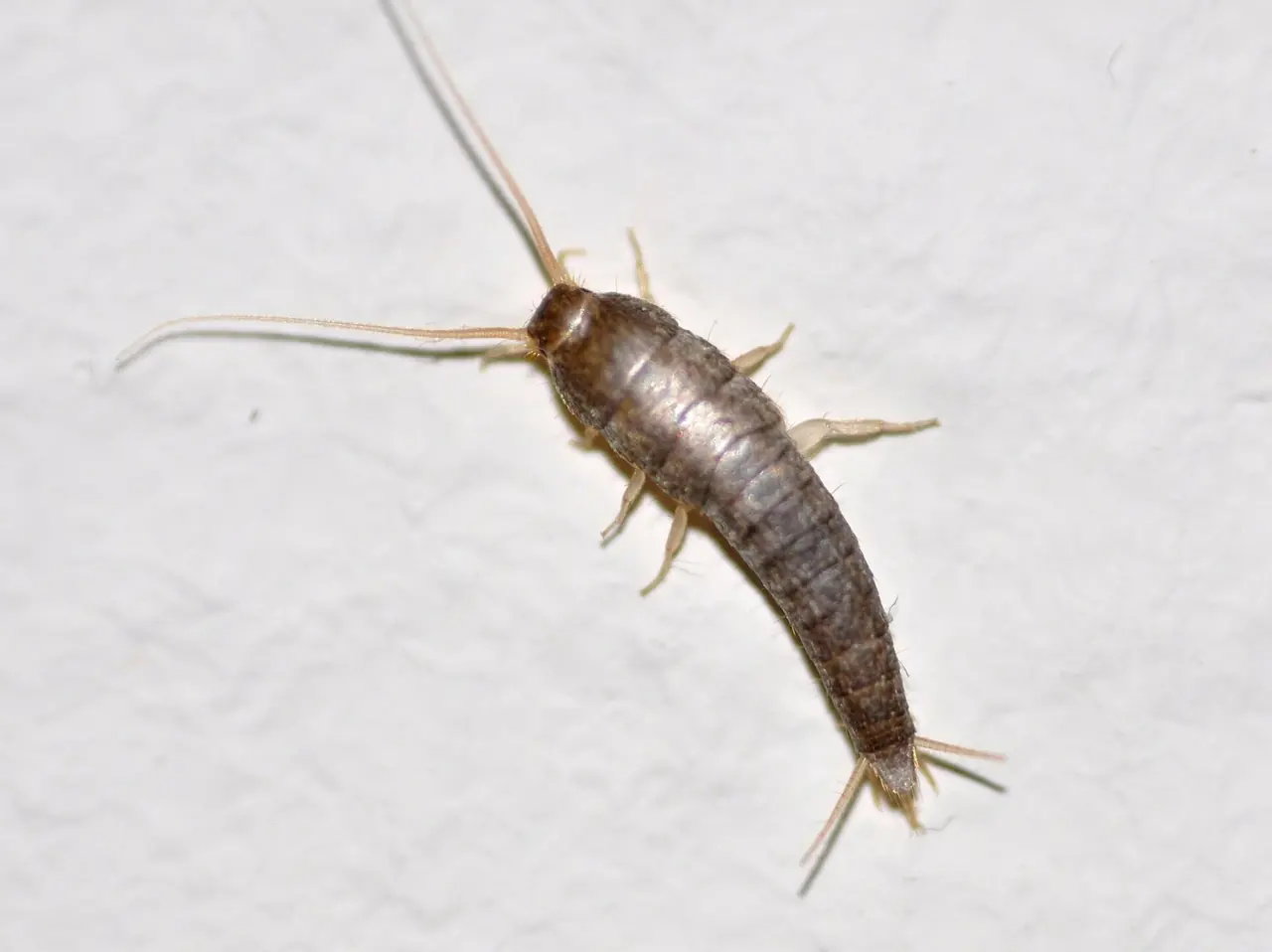
Silverfish
A fast, wingless, fish-shaped insect found in damp basements, bathrooms, and around stored paper and book bindings. Not dangerous, but a reliable sign of excess moisture and humidity.
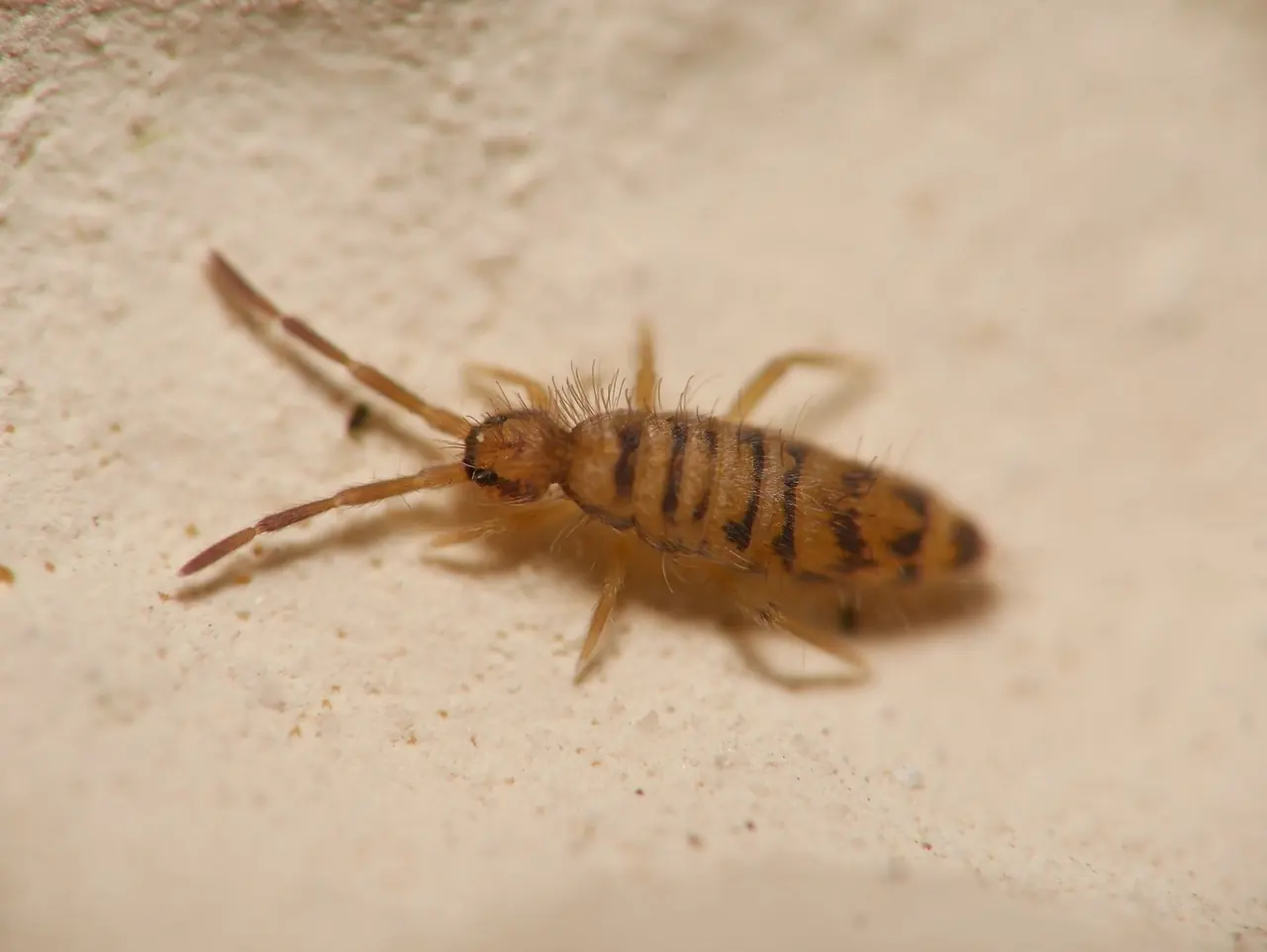
Springtail
Extremely tiny insects that appear in large numbers on damp soil, mulch, window sills, and around pools, and can leap several inches when disturbed. Entirely a moisture-driven nuisance, not a threat.
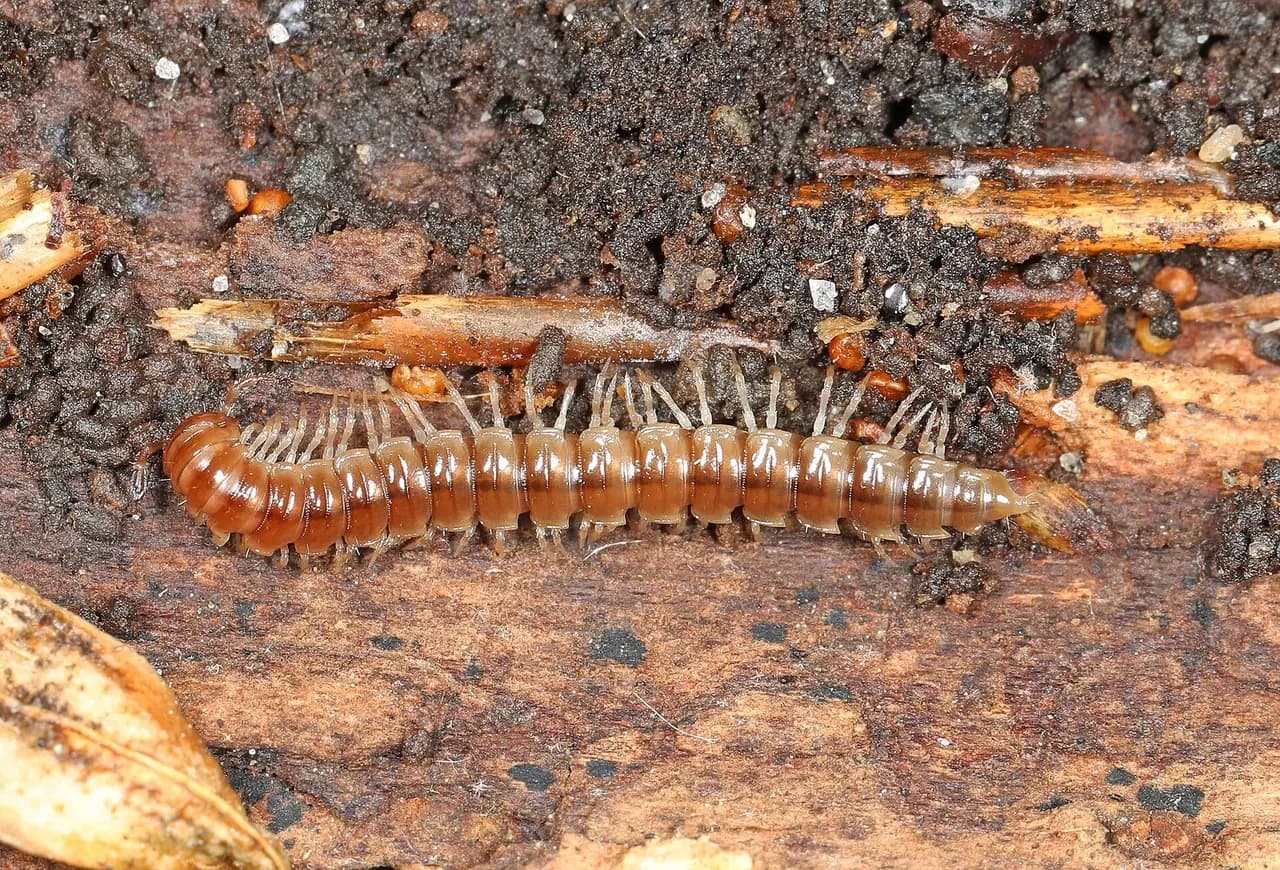
Millipede
A slow-moving, many-legged invader that shows up in large numbers after heavy rain, especially around new construction and homes with a lot of mulch or leaf litter. Harmless, but overwhelming in numbers some years.
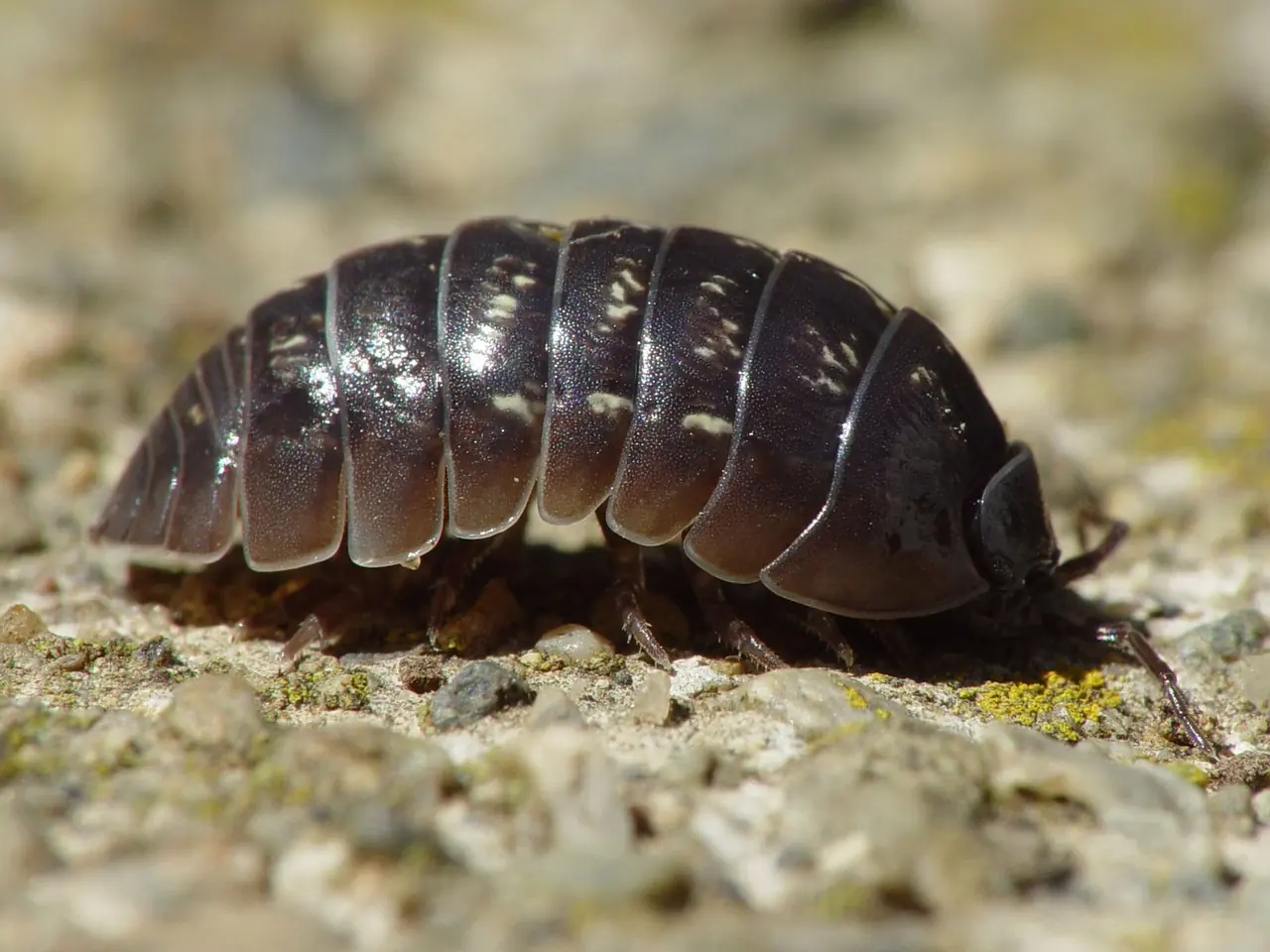
Pill Bug
The roly-poly that rolls into a tight ball when touched. A land crustacean, not an insect, that lives in damp mulch and occasionally wanders indoors — harmless and honestly beneficial in the garden.
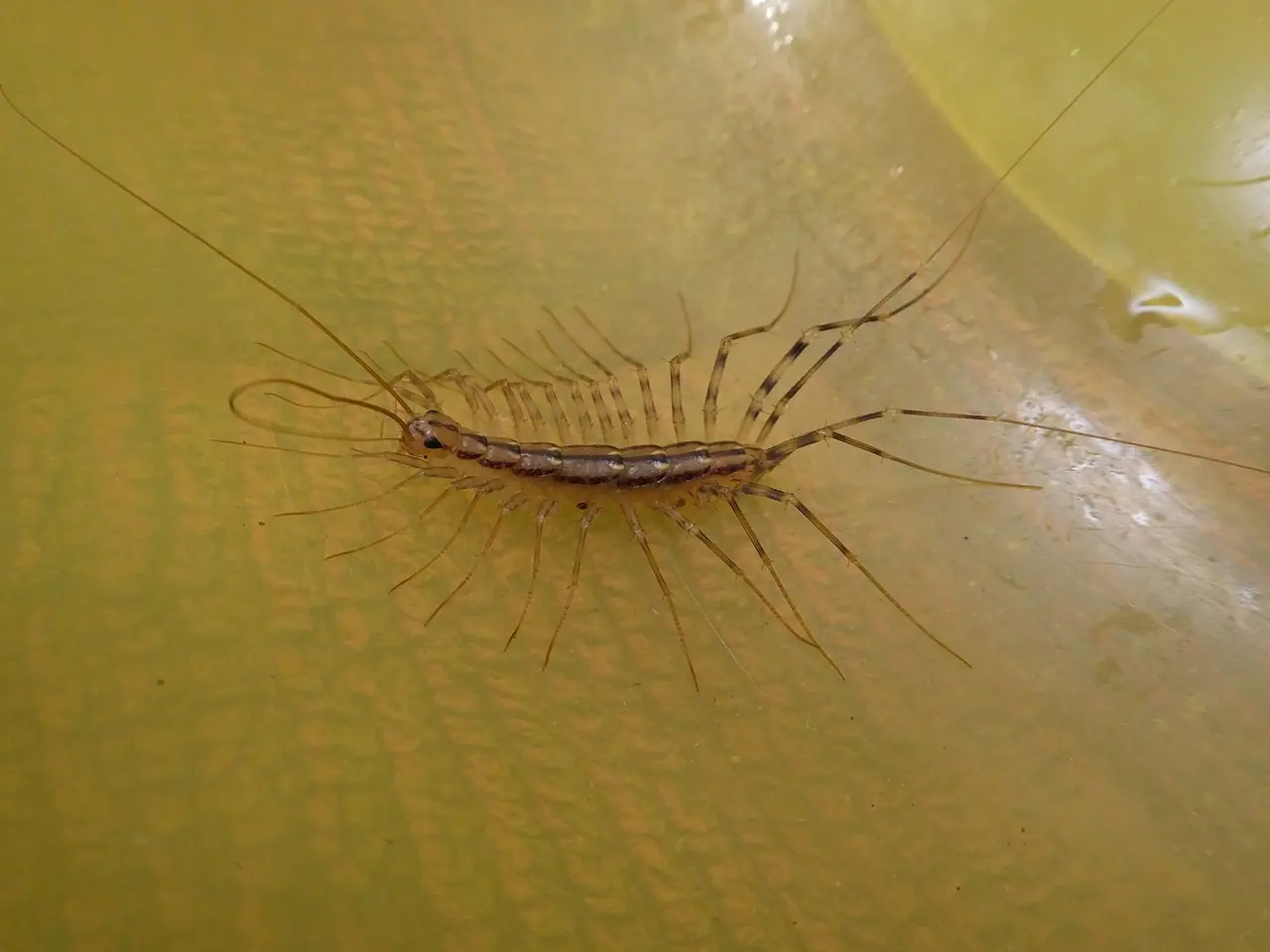
House Centipede
The startlingly fast, long-legged creature that darts across a bathroom floor and disappears down a drain. Unsettling to see, but a predator of other household pests, not a threat itself.
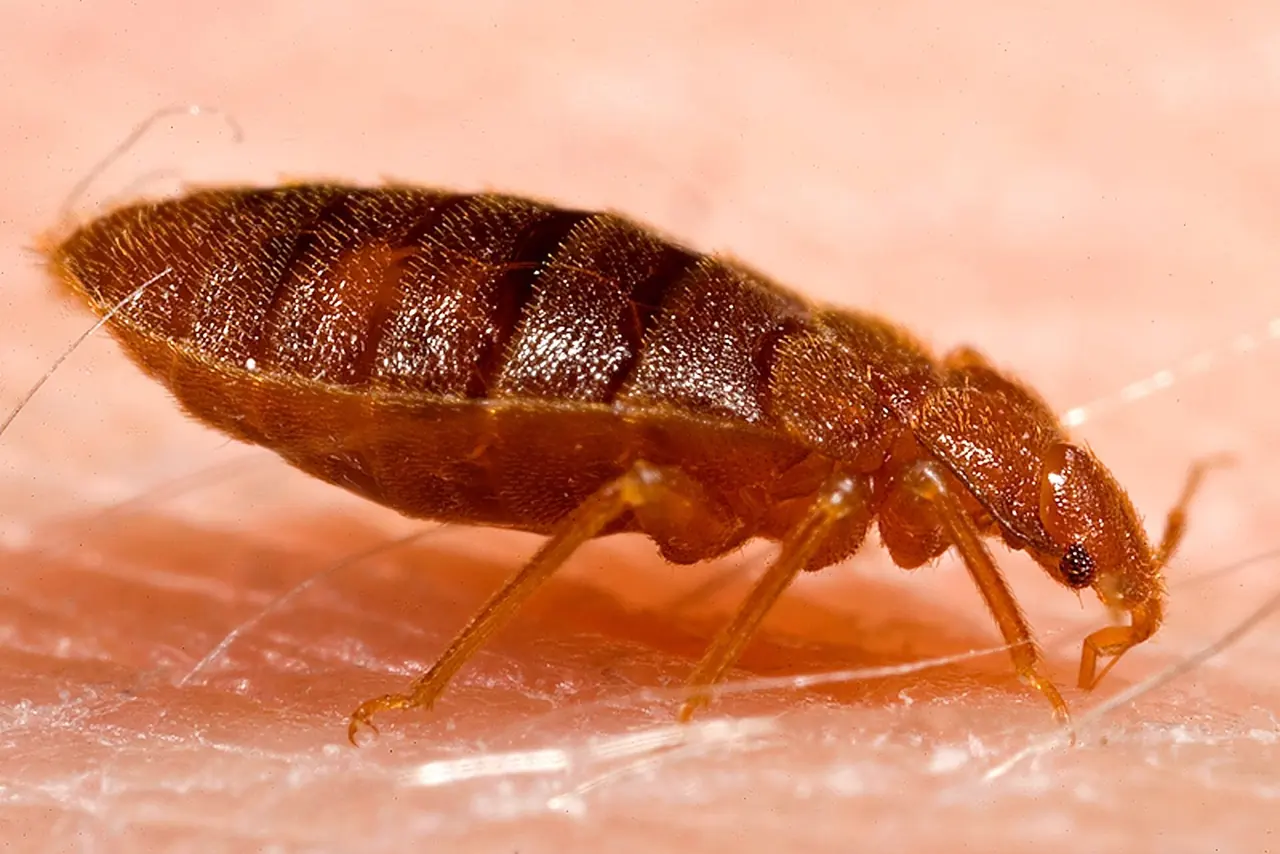
Bed Bug
A blood-feeding insect that hides in mattress seams, bed frames, and nearby furniture and feeds on people at night. Not a sign of uncleanliness — they hitchhike in on luggage, used furniture, and clothing, and can show up in any home, hotel, or apartment.
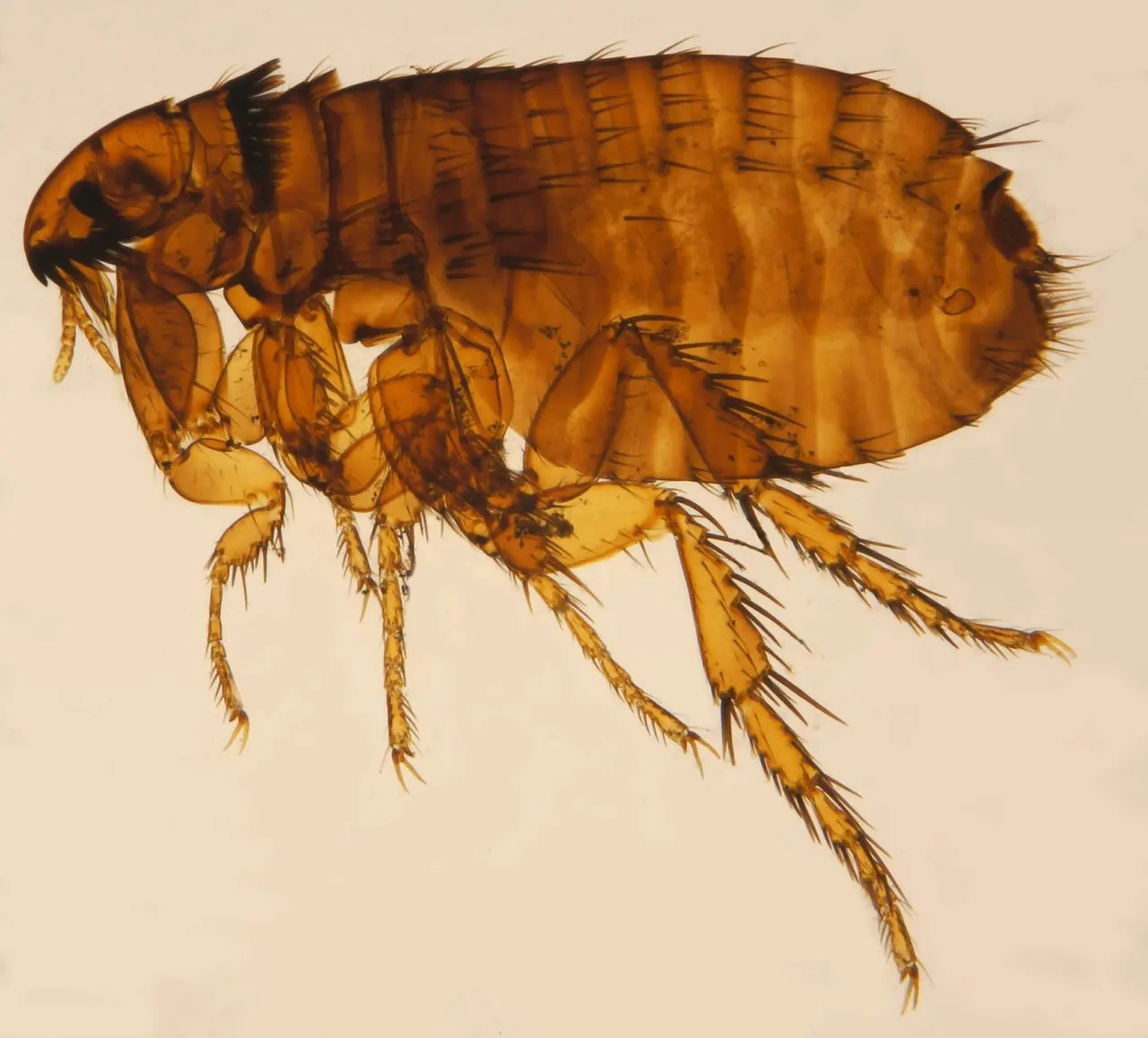
Flea
A blood-feeding insect that rides in on a pet (or wildlife near the house) and quickly establishes in carpet, bedding, and yard areas where pets rest. Bites concentrate around ankles and lower legs.
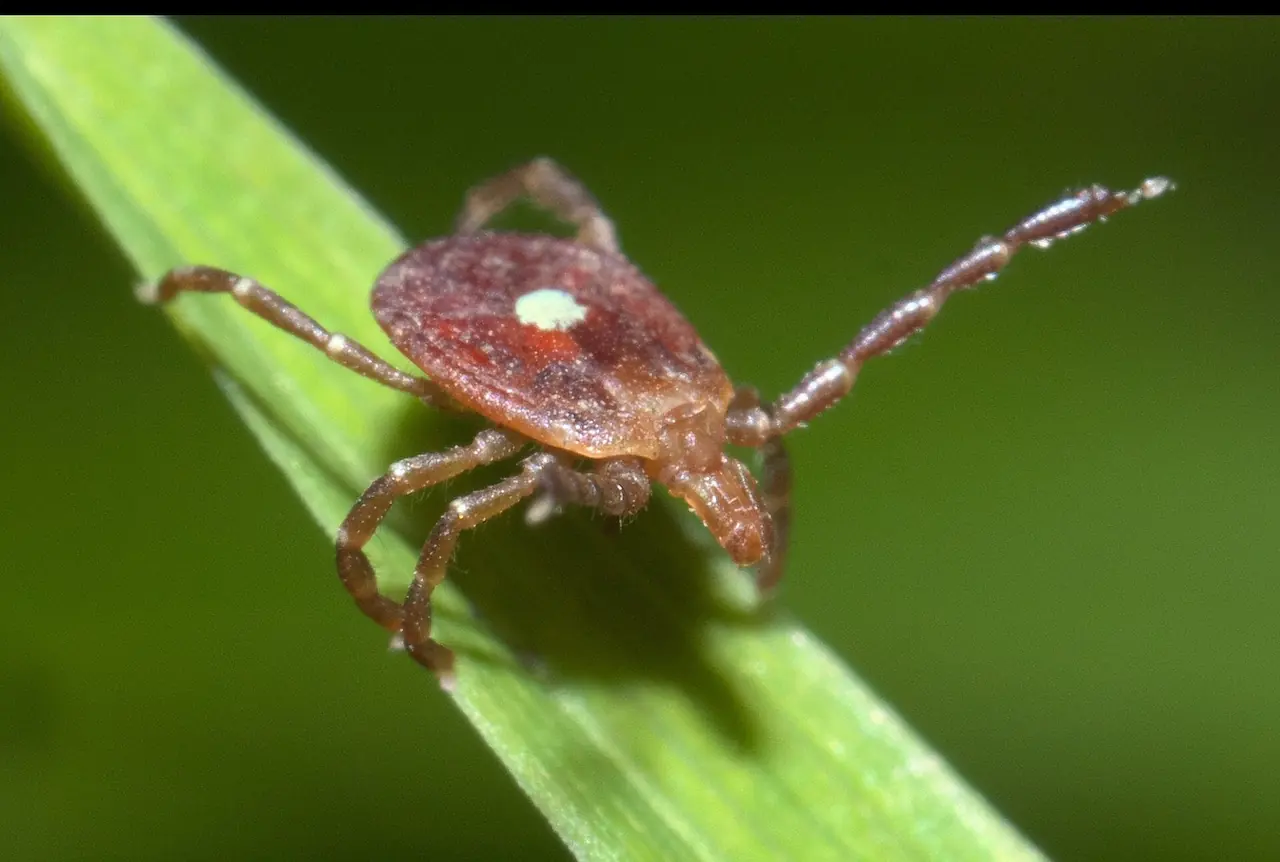
Tick
Missouri and Kansas have some of the highest tick-borne illness rates in the country, and the lone star tick in particular is extremely common in wooded and tall-grass areas across the Kansas City metro.
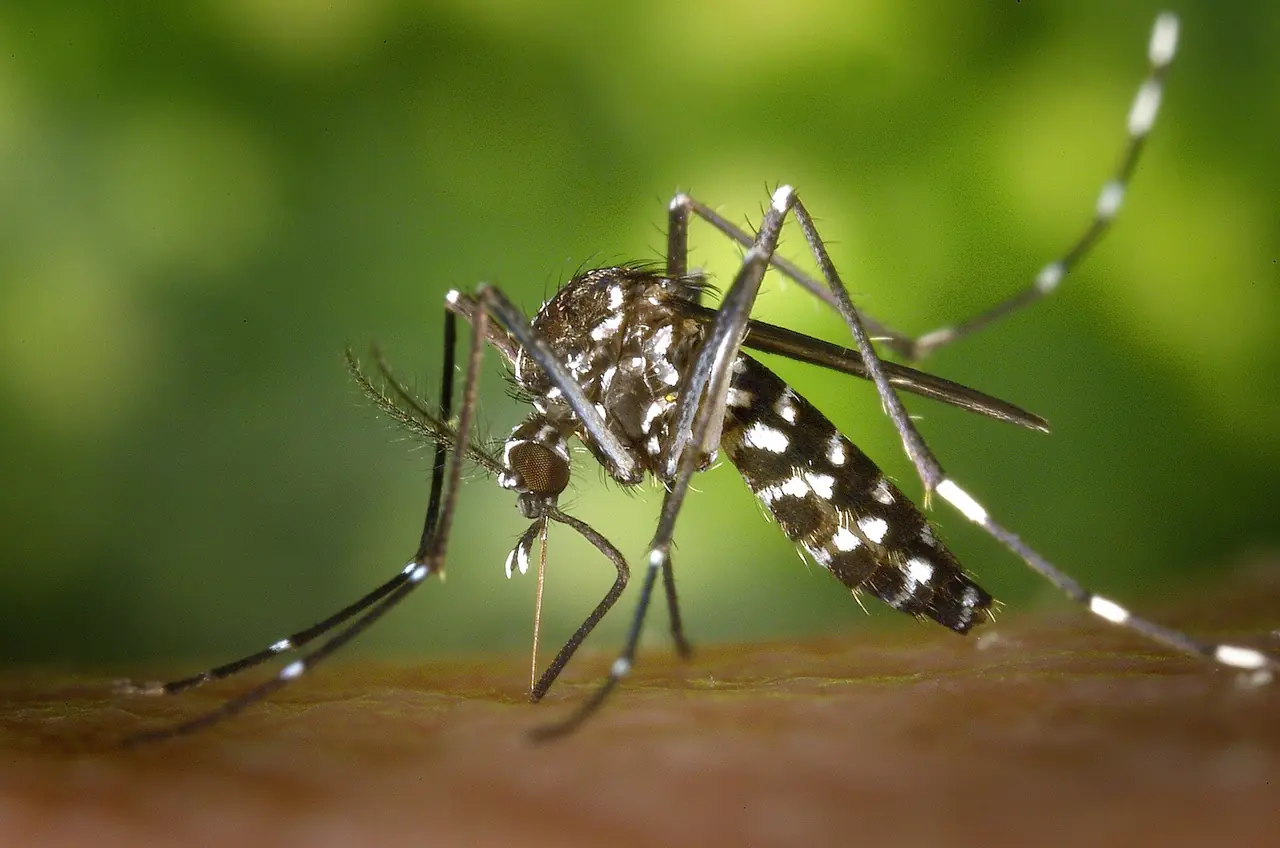
Mosquito
The insect most likely to keep you off your own patio all summer. Kansas City's humidity and abundant standing water (creeks, drainage, birdbaths, gutters) make for a long, active mosquito season.
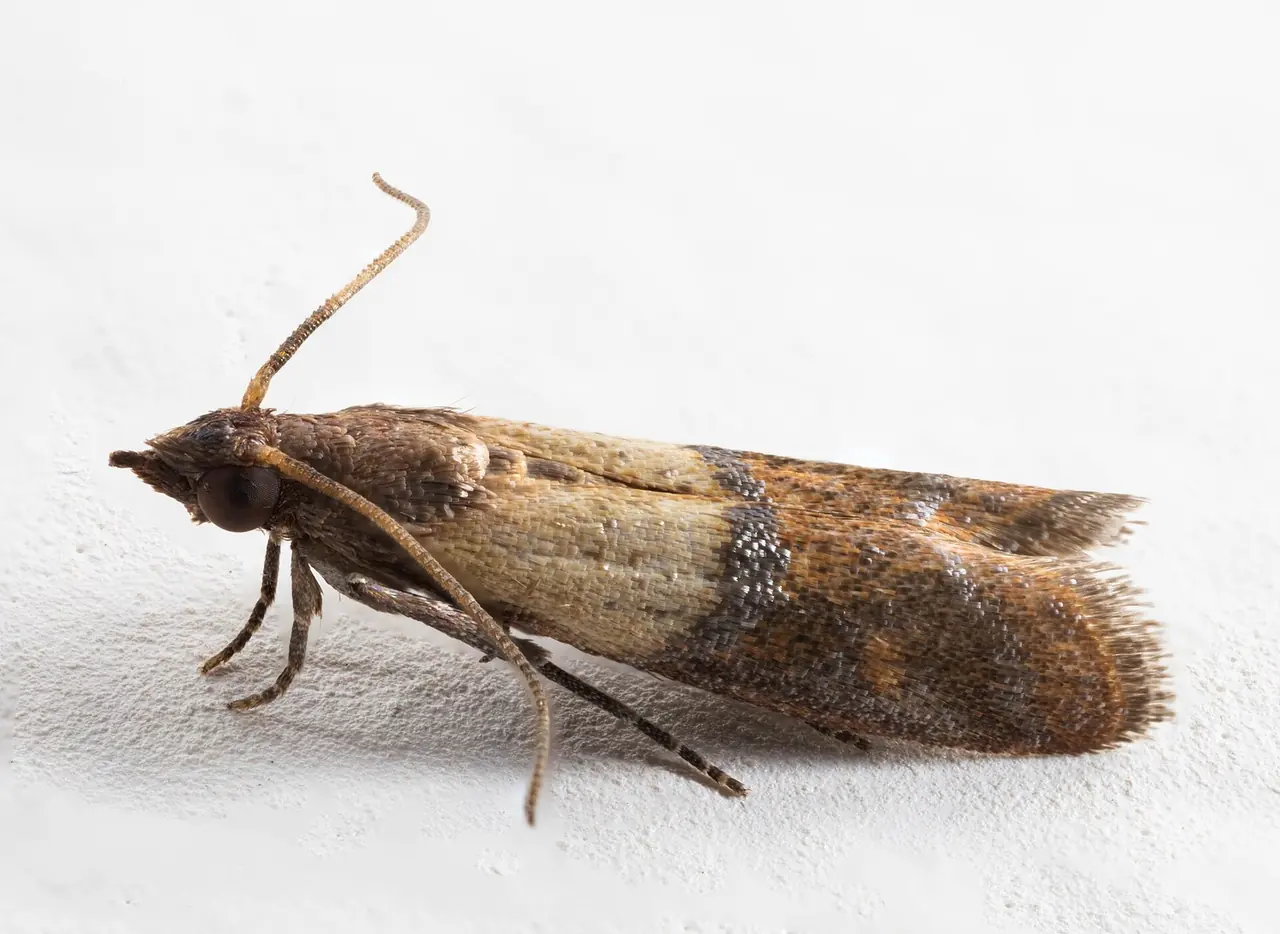
Indian Meal Moth
The single most common pantry moth, and the source of webbing found in flour, cereal, pet food, birdseed, and dried fruit. Adults flying near the pantry or kitchen at night are usually the first sign.
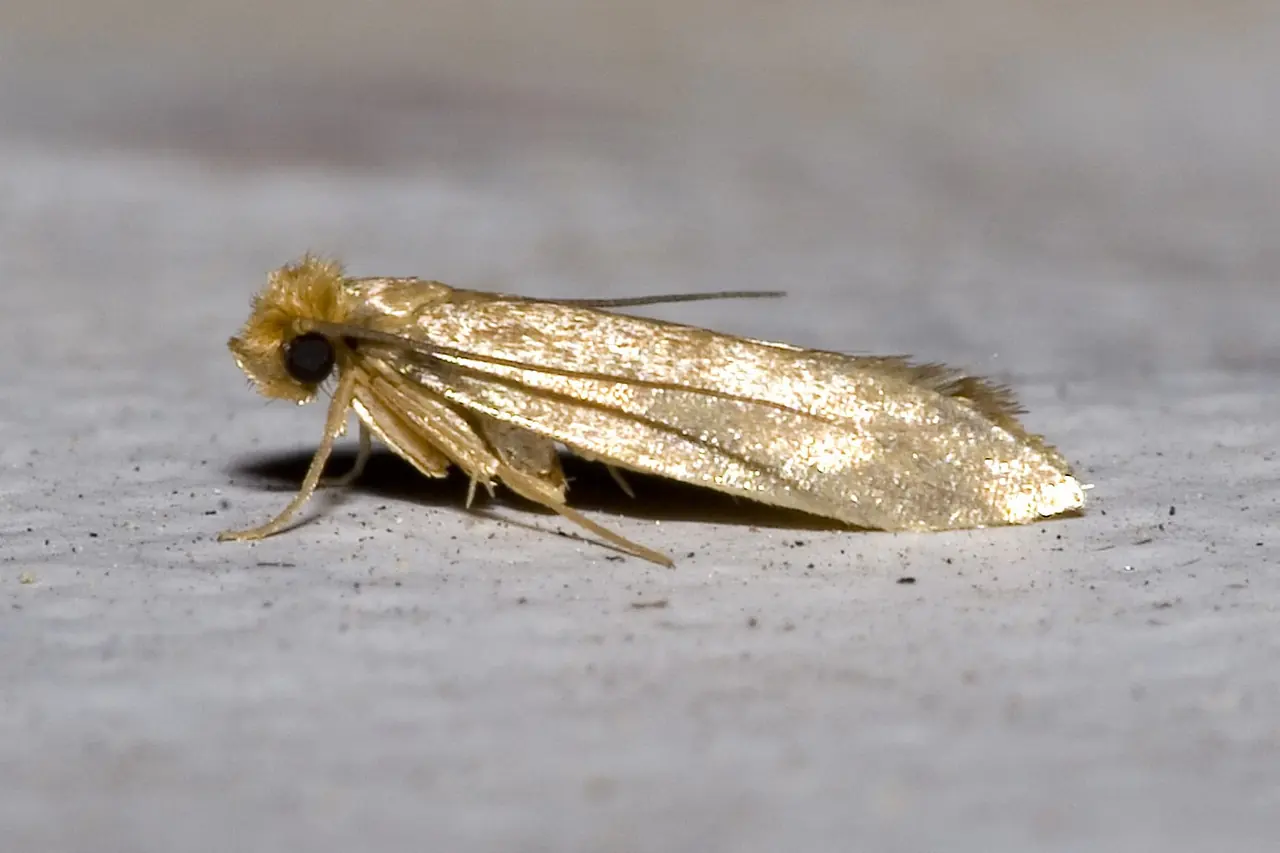
Clothes Moth
A small, uniform golden-tan moth whose larvae eat wool, fur, feathers, and silk. Rarely seen flying (they avoid light), so damage to stored clothing is often the first sign.
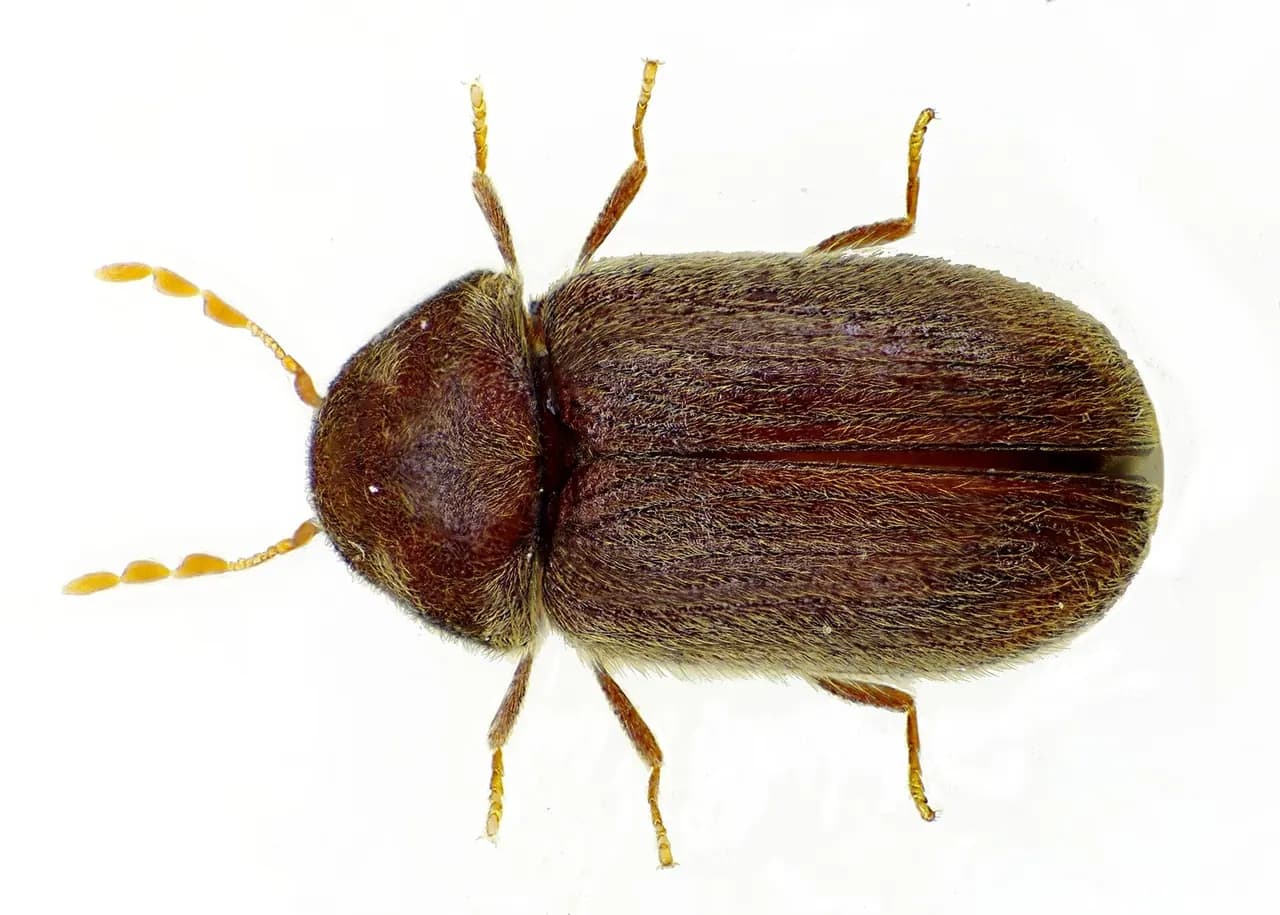
Drugstore Beetle
A small, oval reddish-brown beetle that infests an unusually wide range of dry stored goods — not just food, but spices, dried herbs, pet food, and even some non-food items like book bindings and dried flowers.
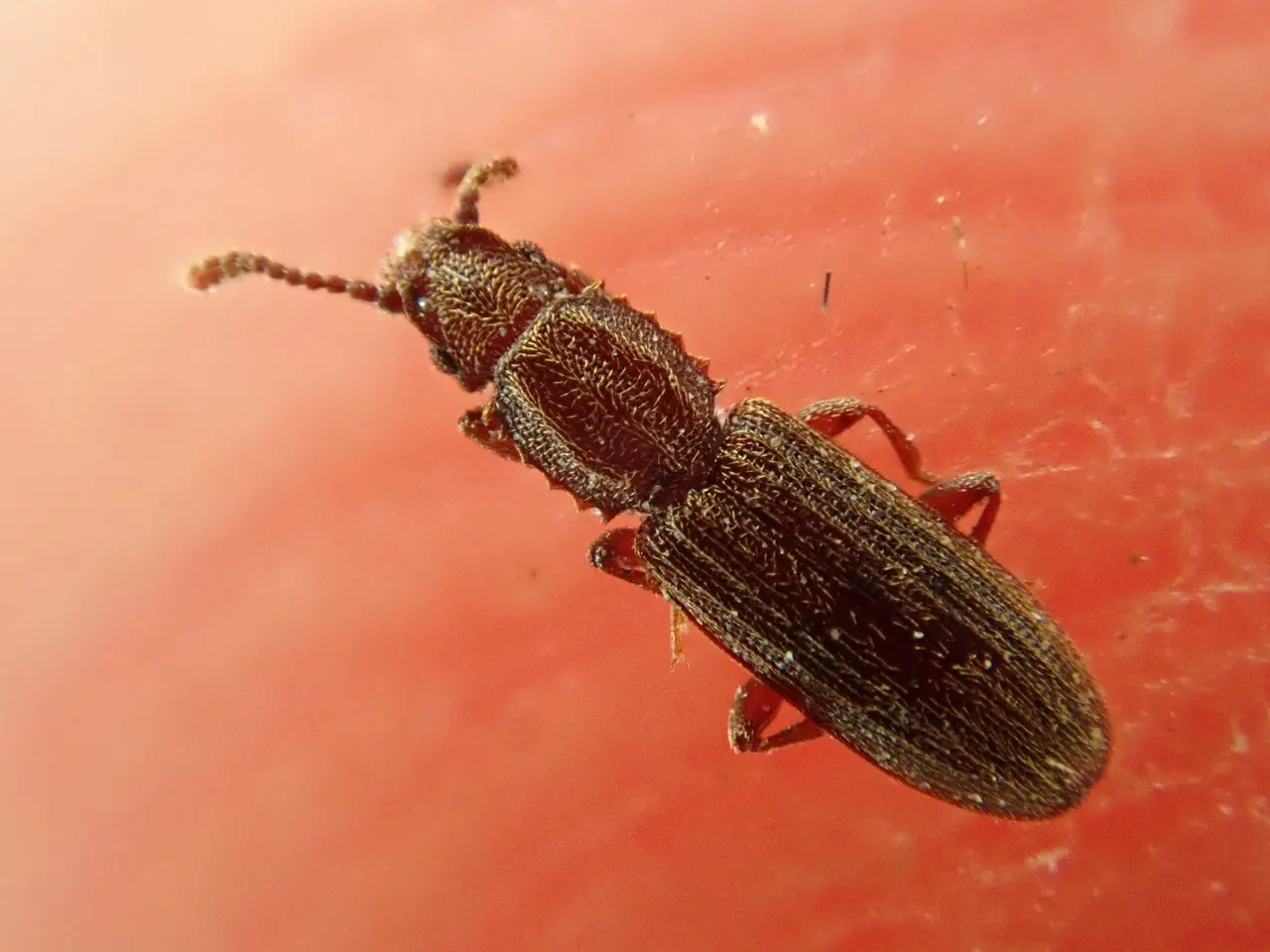
Grain Beetle
A slender, flattened beetle common in stored grains, cereal, and dried fruit, distinguished by saw-like projections along the sides of its thorax.
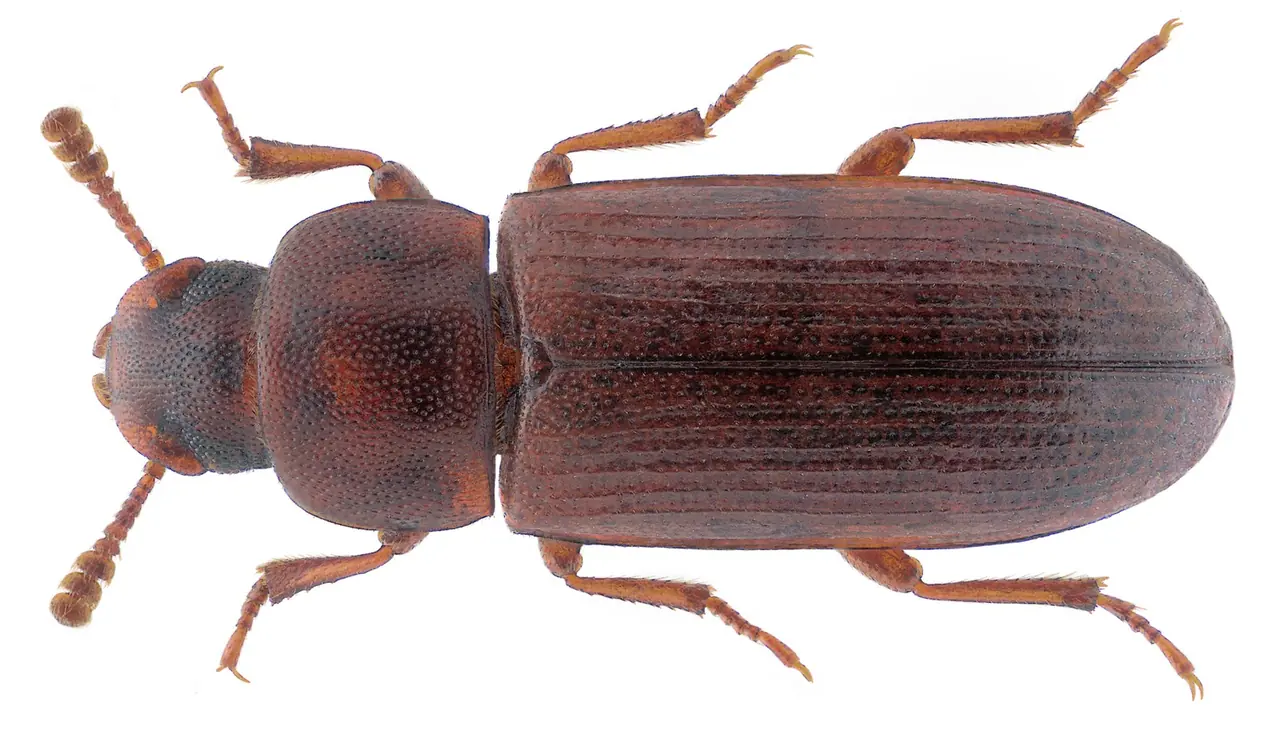
Flour Beetle
A small reddish-brown beetle that infests flour, cornmeal, cereal, and other finely milled dry goods, often in large numbers once established.
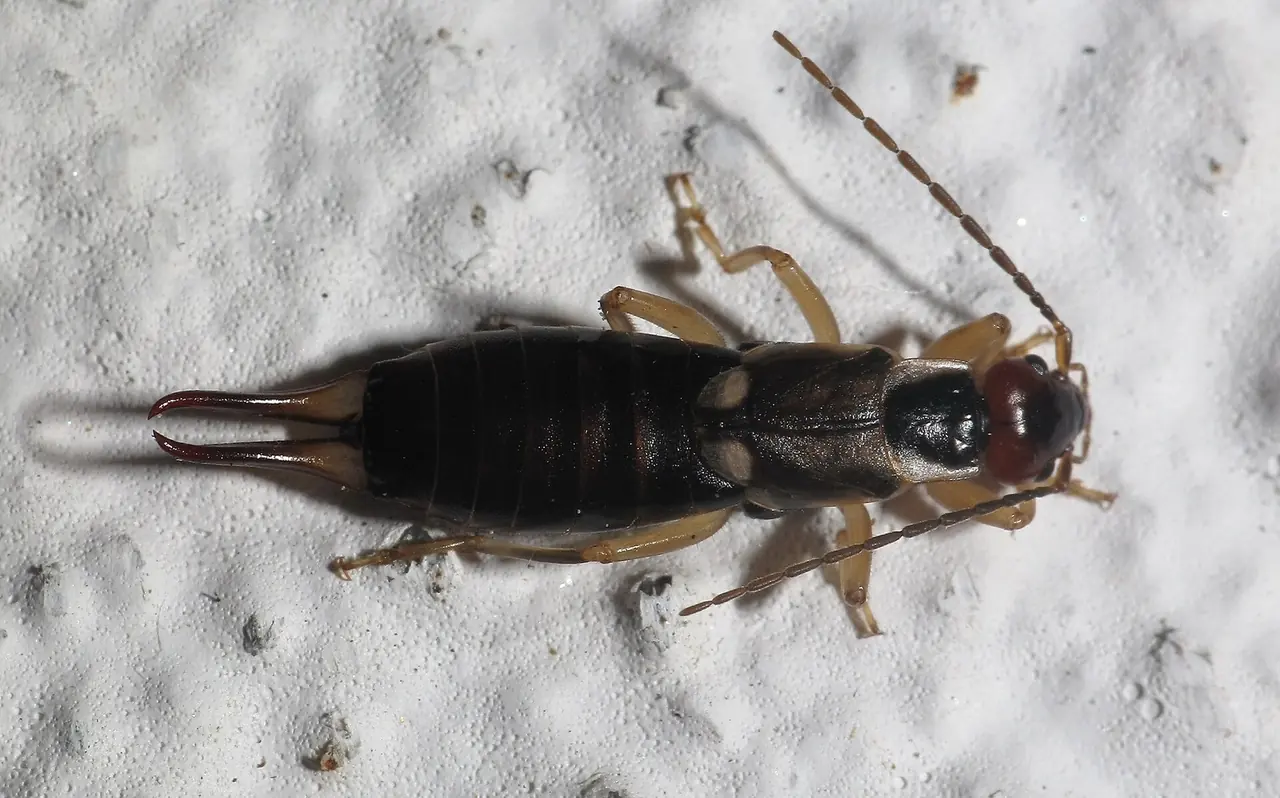
Earwig
A dark, fast-moving insect with a pair of visible pincers at the rear, common in mulch beds and under stones, that wanders indoors during wet weather. The pincers look alarming but are harmless to people.
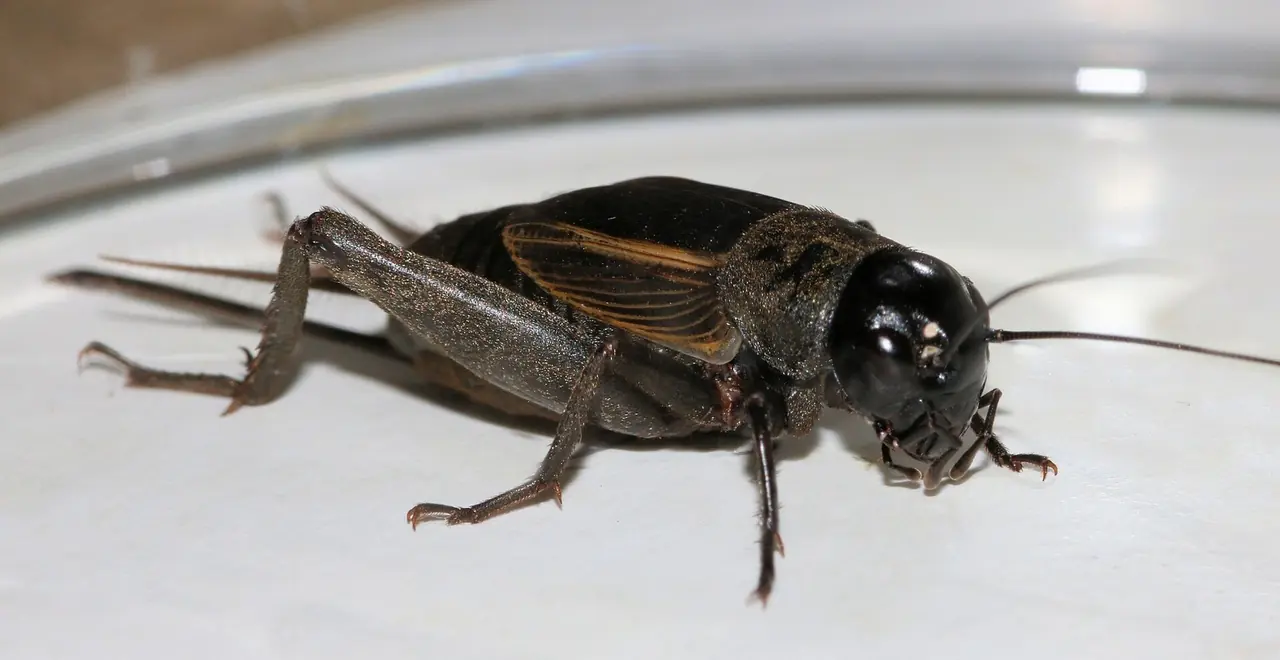
Cricket (Field & House)
The loud nighttime chirping and, occasionally, fabric damage in a closet come from crickets that wander in from the yard looking for warmth and shelter as temperatures drop in fall.
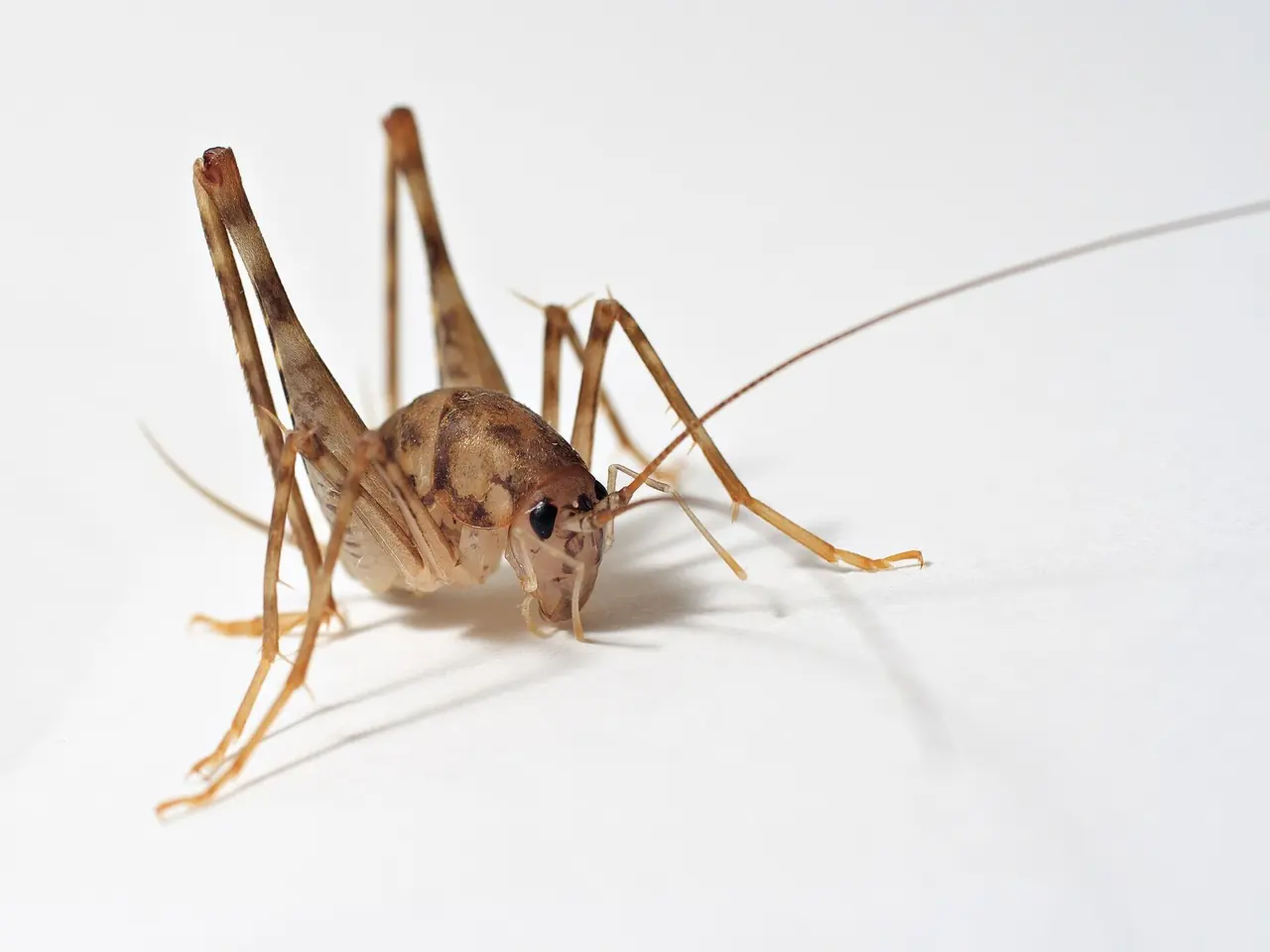
Cave Cricket
A silent, humpbacked cricket with long legs that lives in damp, dark spaces — basements, crawlspaces, wells — and startles people with its jumping when disturbed. Unlike other crickets, it doesn't chirp.
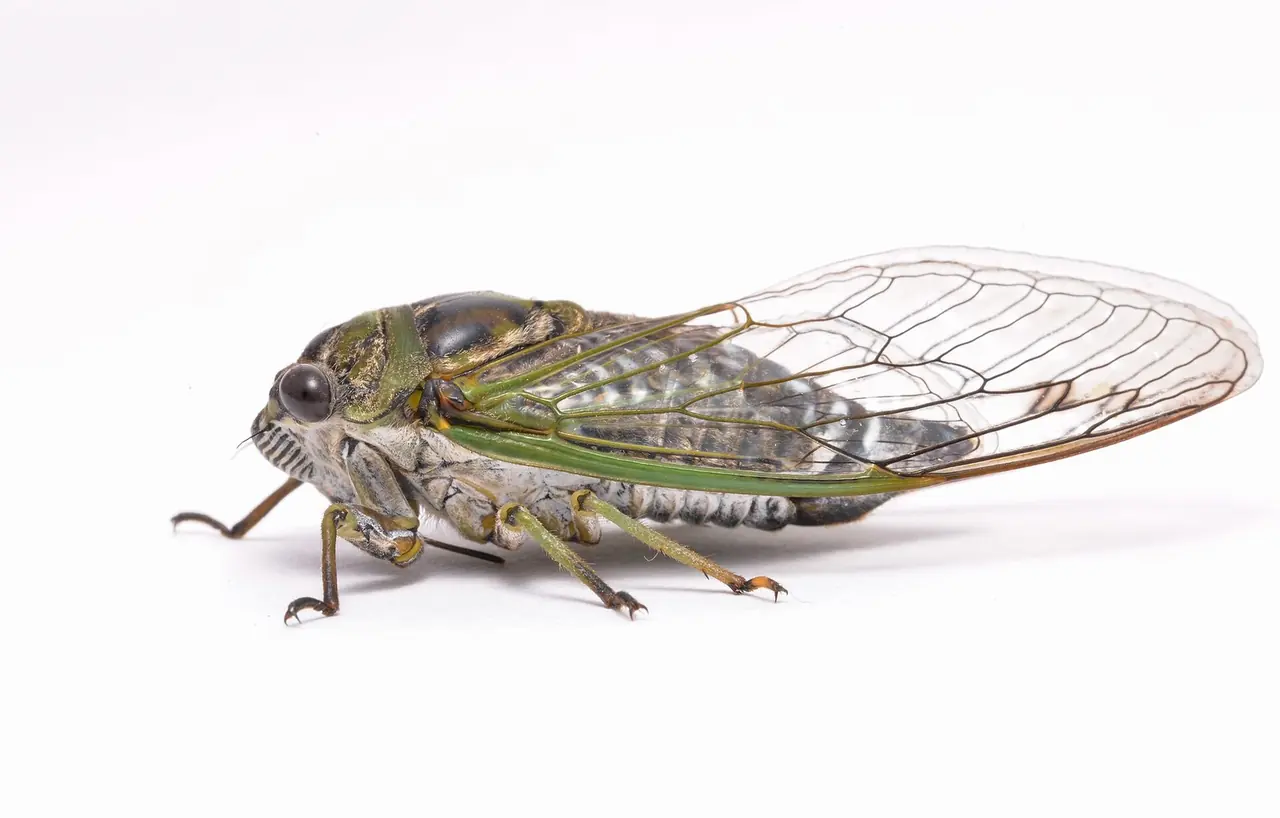
Cicada
The loud buzzing insect that defines a Kansas City summer. Annual cicadas emerge every year; periodical cicadas emerge in massive numbers every 13 or 17 years depending on the brood. Neither is a structural pest.
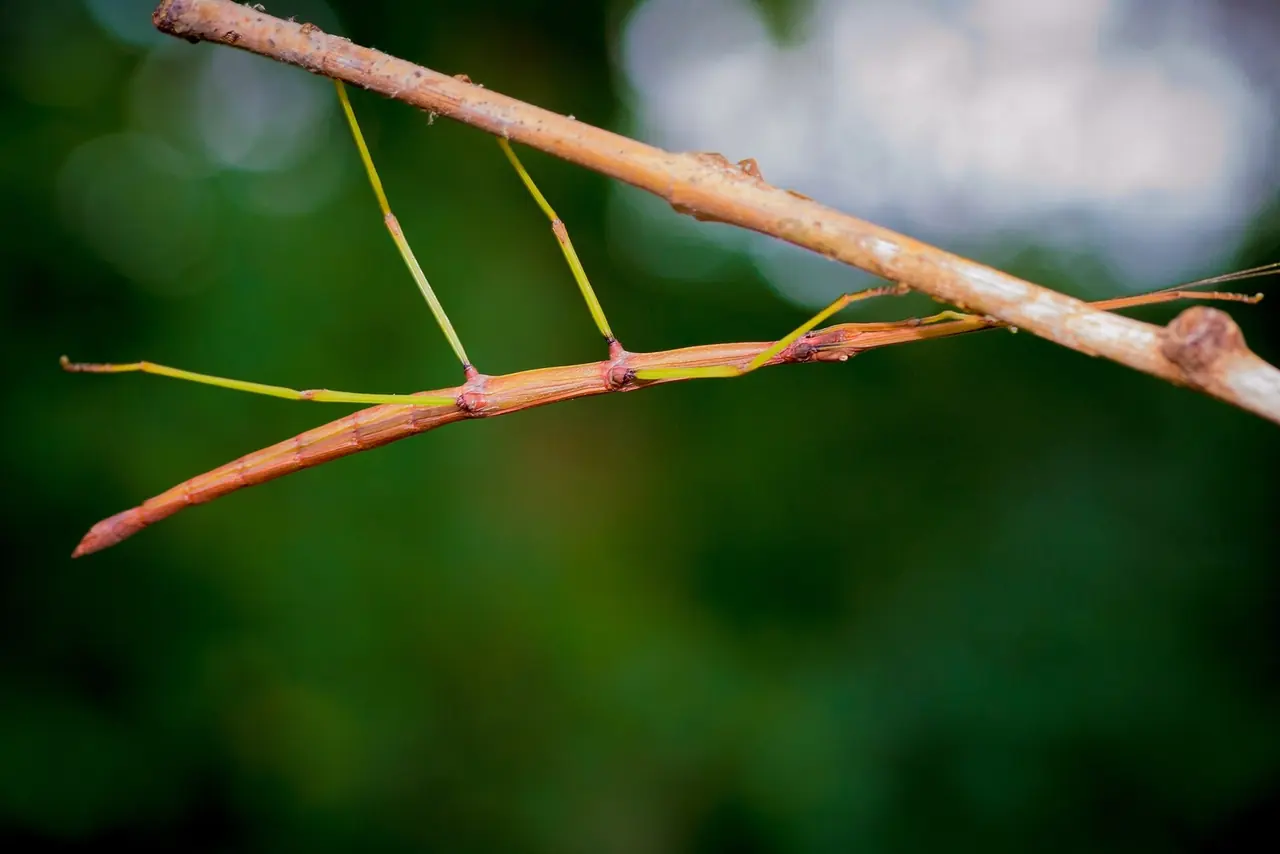
Walking Stick
A large, slow-moving, twig-mimicking insect found on trees and shrubs. Occasionally wanders onto a porch or wall but poses no threat and isn't a structural pest.
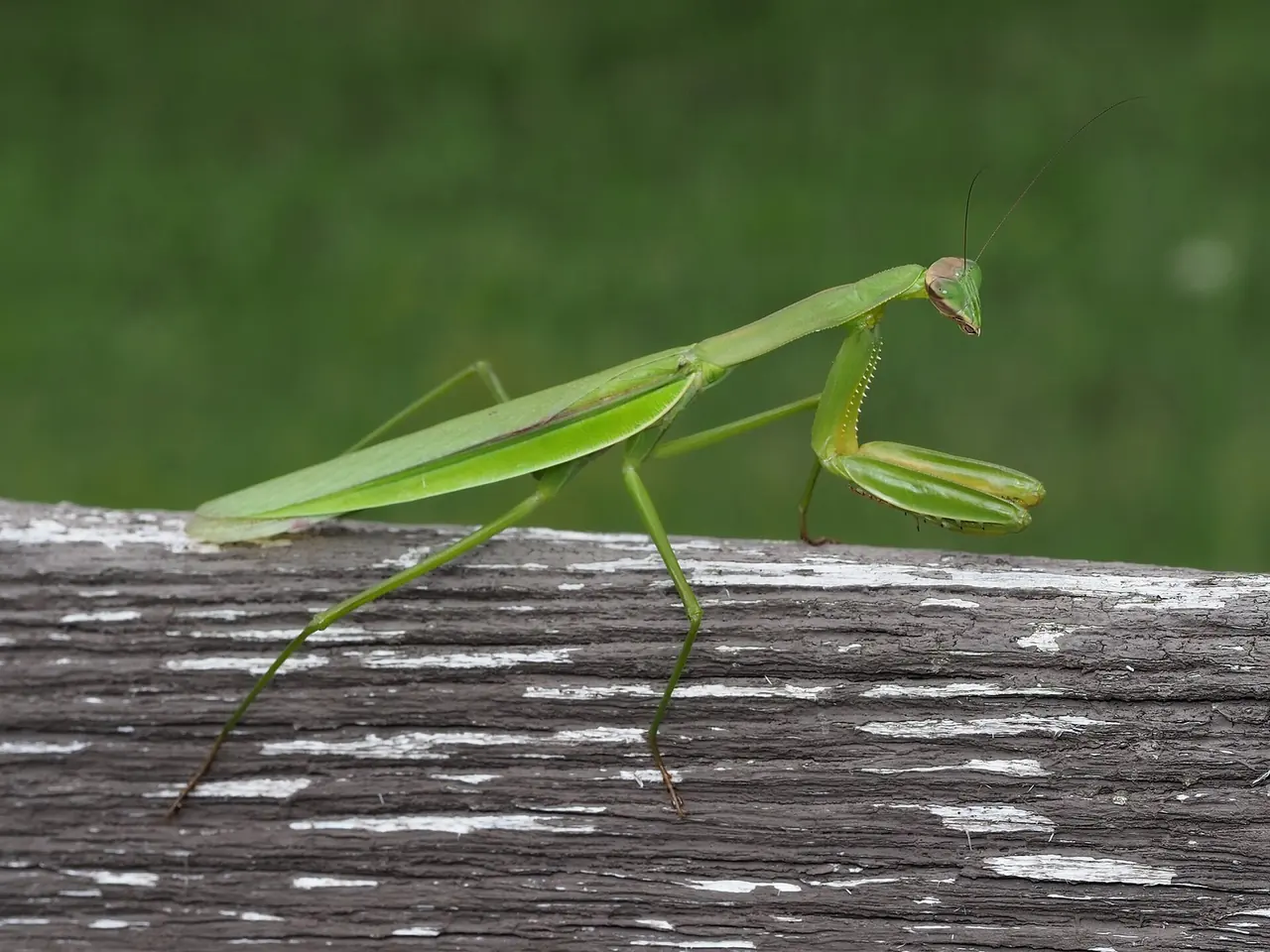
Praying Mantis
A large predatory insect that eats other garden pests and is entirely beneficial. Occasionally found on porches and near outdoor lighting hunting insects, never a structural concern.
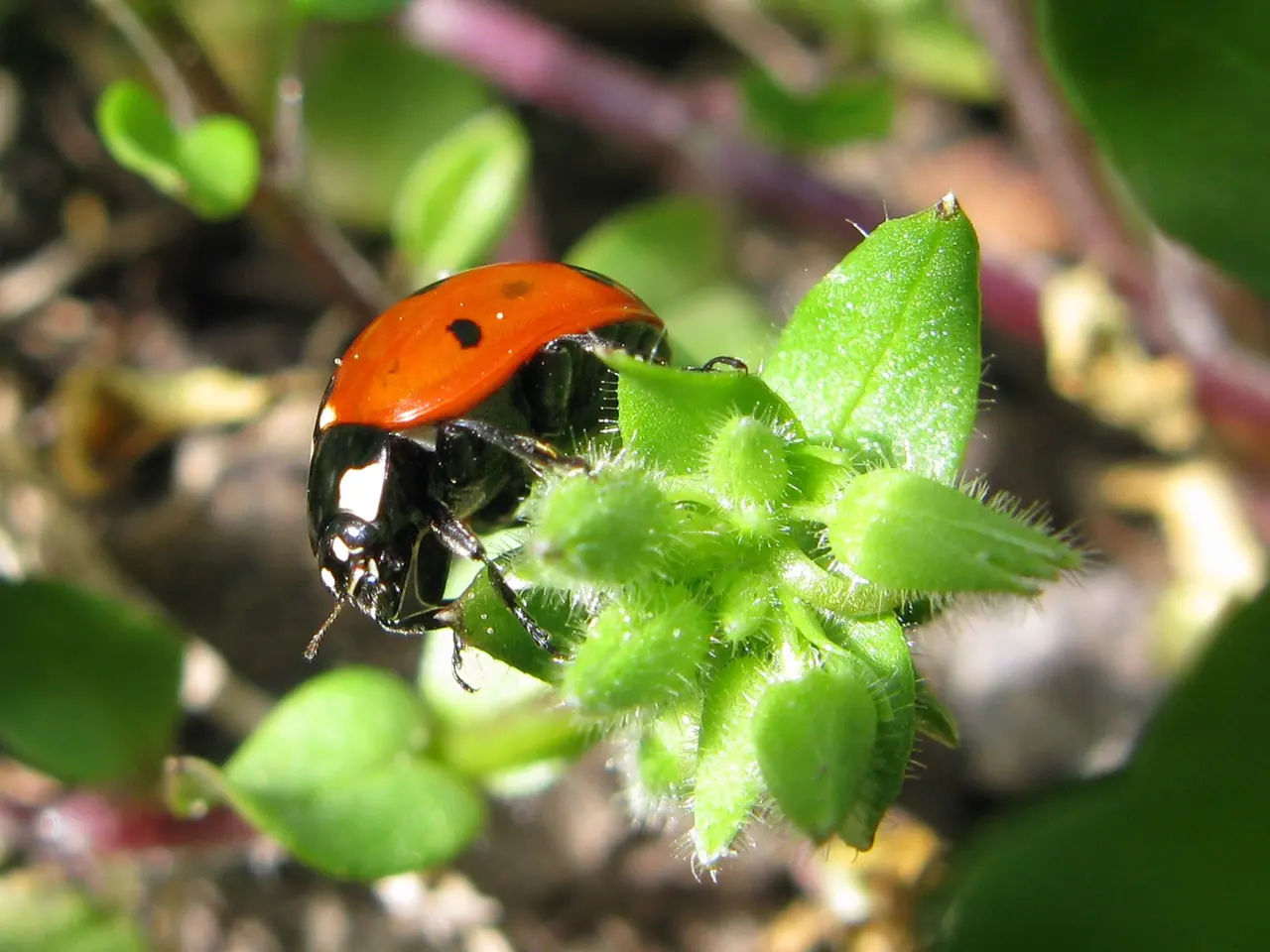
Lady Beetle (Ladybug)
The classic red, black-spotted beetle beneficial to gardens for eating aphids. Native ladybugs don't invade homes in large numbers the way the Asian lady beetle does — that is the Asian lady beetle, the fall home-invader version.
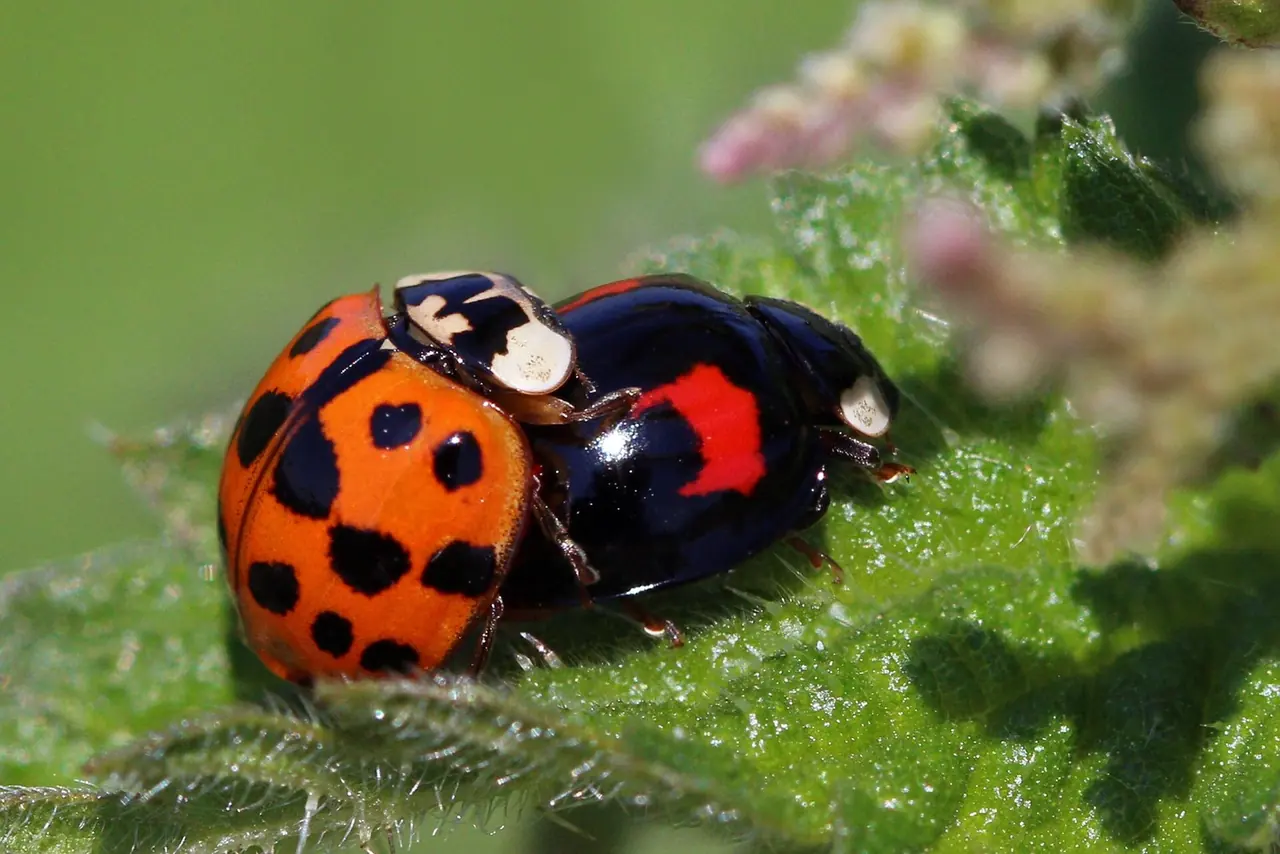
Asian Lady Beetle
The beetle behind the fall invasion that fills window sills and light fixtures by the hundreds every October, and can bite (a pinch, not a sting) and stain surfaces with a yellowish defensive fluid when disturbed. A different species from the beneficial native ladybug.
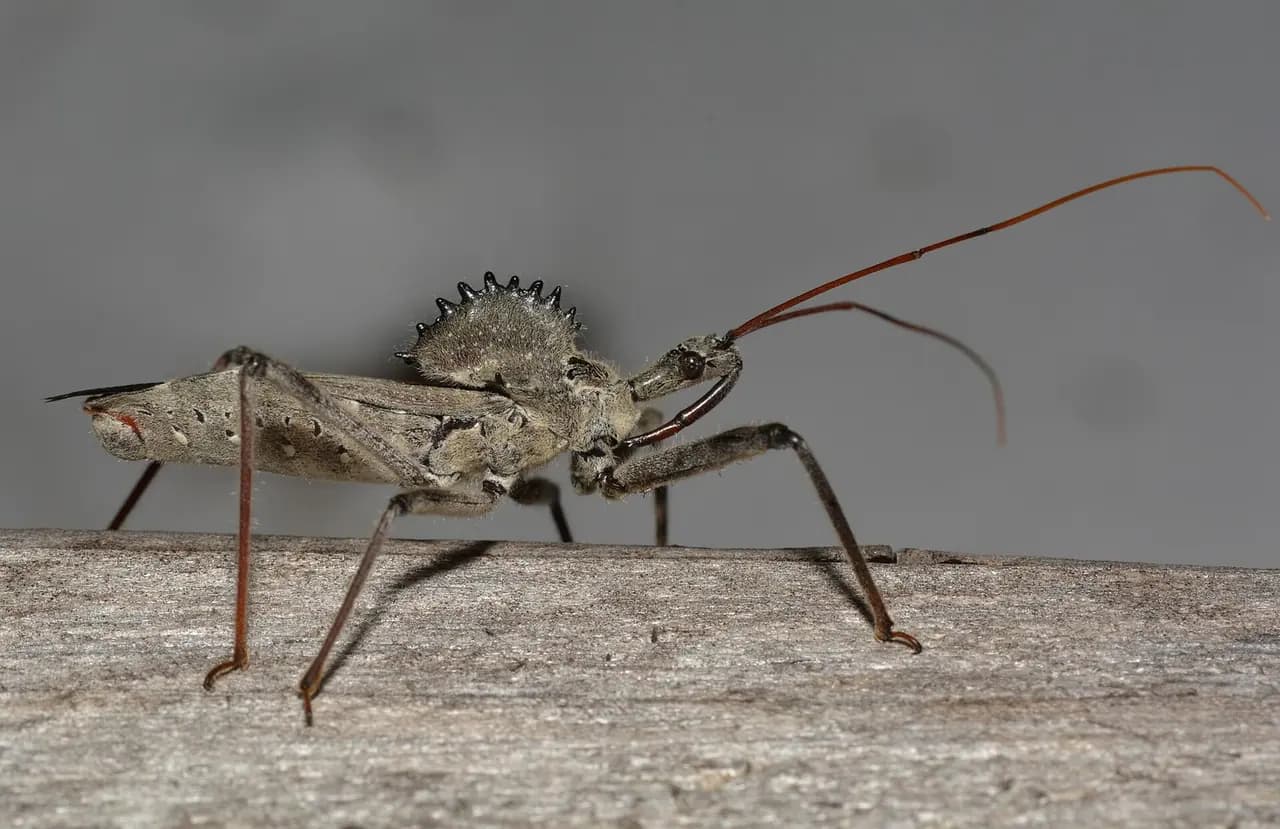
Assassin Bug
A predatory insect — the wheel bug is the large, distinctive local species — that hunts other insects and delivers a notably painful bite if handled. Beneficial in the garden, best left alone rather than picked up.
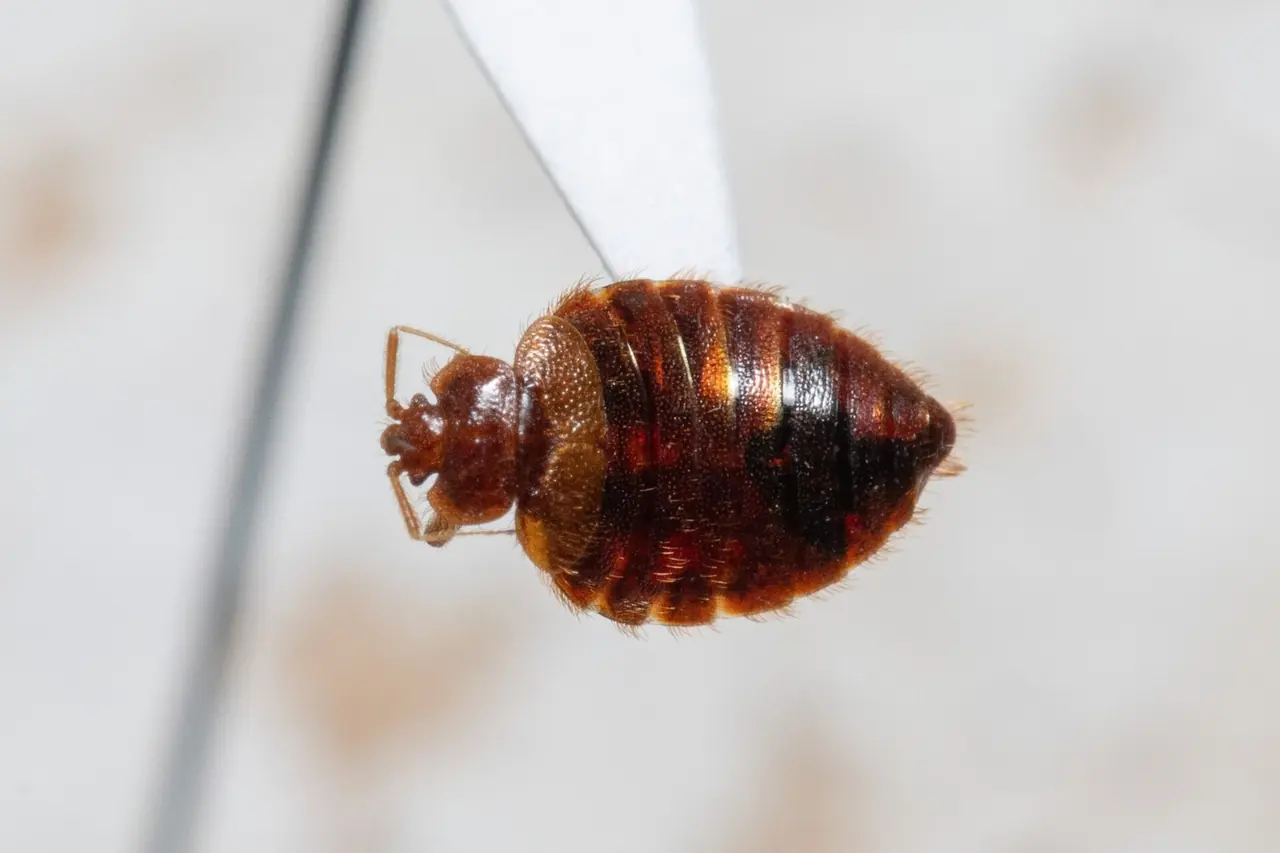
Bat Bug
A close relative of the bed bug that normally feeds on bats, found when a bat colony has roosted in an attic or wall void and then either leaves or is excluded, leaving the bugs to seek a new host — sometimes people.
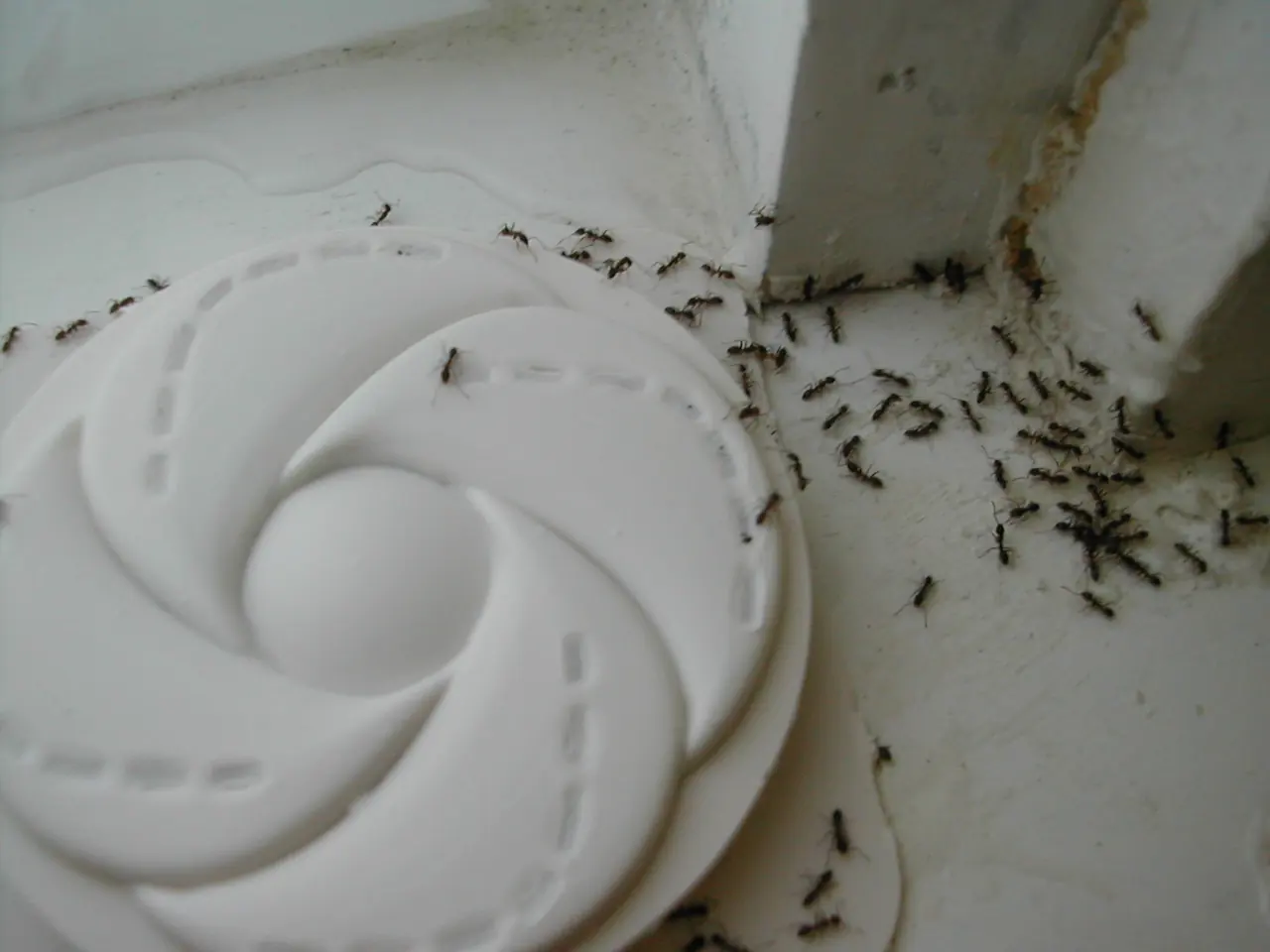
Argentine Ant
An invasive ant that forms enormous interconnected "supercolonies" with many queens rather than a single nest, which makes it notably harder to control than most native ants — treating one visible trail barely dents the population.
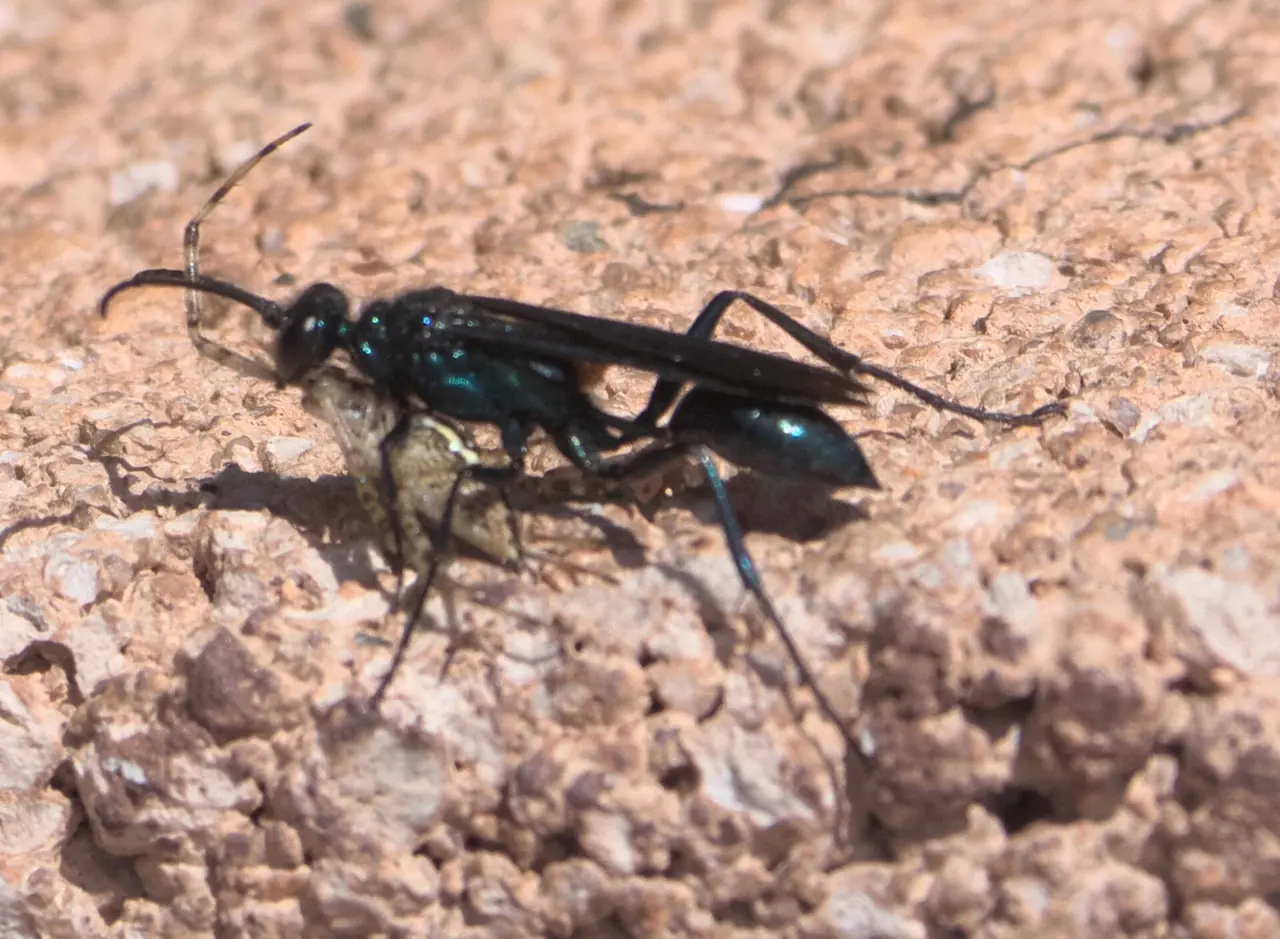
Blue Mud Dauber
A metallic blue-black solitary wasp, closely related to the common mud dauber, that often reuses old mud dauber nests rather than building its own from scratch. Preys specifically on spiders, including black widows.
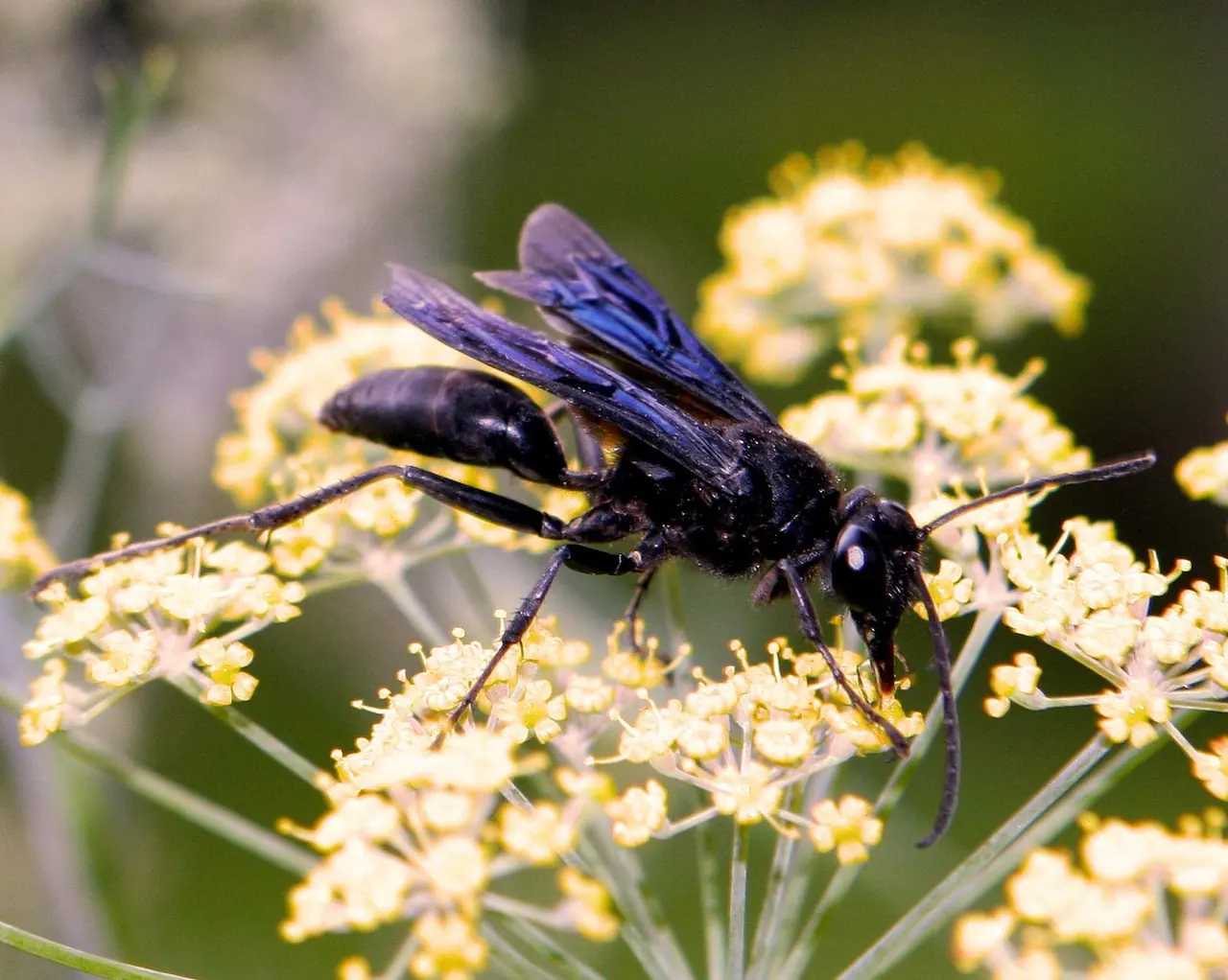
Digger Wasp
A broad group of solitary, ground-nesting wasps that dig individual burrows in bare or thin turf, often in visible numbers over a lawn in summer. Not aggressive and generally beneficial, but the burrows and hovering males can alarm homeowners.
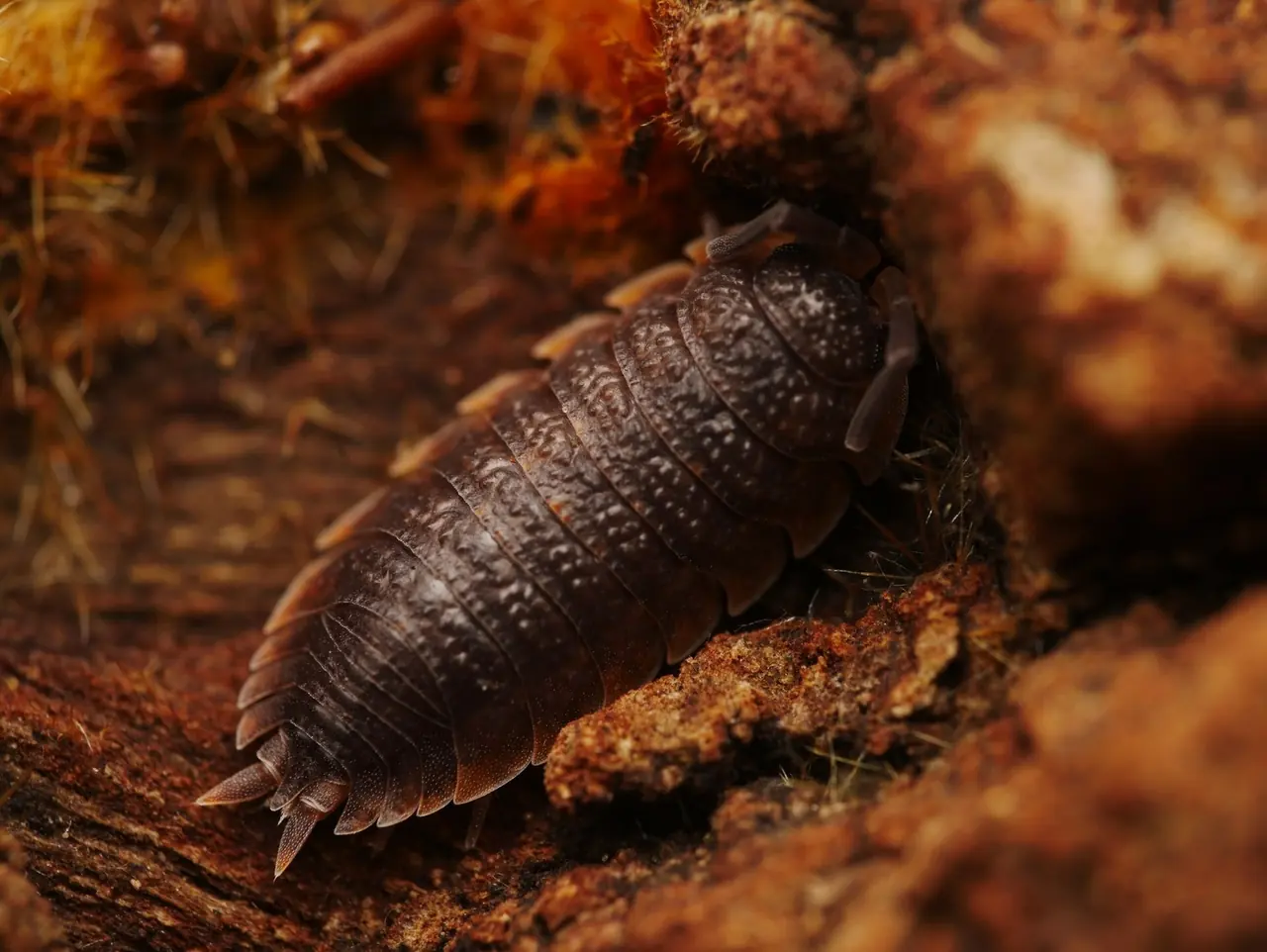
Sowbug
A close relative of the pill bug (roly-poly) that looks nearly identical but cannot roll into a tight ball. Lives in the same damp mulch and stone habitat and wanders indoors for the same reasons.
Not sure what pest you found?
Text a photo and get fast identification.
Pest-Specific Control
Different pests need different treatments. Here is how we handle the ones we see most across the Kansas City metro.
- Acrobat Ant Control
- Carpenter Ant Treatment
- Field Ant Control
- Odorous House Ant Control
- Pavement Ant Control
- American Cockroach Control
- German Cockroach Control
- Black Widow Spider Control
- Wolf Spider Control
- Beetle Control
- Carpet Beetle Control
- Grain Beetle Control
- Boxelder Bug Control
- Stink Bug Control
- Clover Mite Control
- Centipede Control
- Millipede Control
- Cricket Control
- Earwig Control
- Moth Control
- Silverfish Control
- Springtail Control
- Pillbug Control
- Sowbug Control
- Hornet Control
- Paper Wasp Control
- Yellowjacket Control
- Rat Control
- Tick Control
Identify a Pest & Get Help Fast
Not sure what you are dealing with? Send a photo and get a straight answer from someone with 30+ years in the field.
Pest photos are used under Creative Commons and public-domain licenses — see photo credits.