Photo: Kaldari, CC0, via Wikimedia Commons
Kansas City Pest Identification
Tenodera sinensis (Chinese mantis) and native speciesBeneficial / not treatedPraying Mantis Identification
A large predatory insect that eats other garden pests and is entirely beneficial. Occasionally found on porches and near outdoor lighting hunting insects, never a structural concern.
Need help identifying praying mantis?
Text a photo for fast pest identification. You'll get a real answer from a local expert — not a call center.
How to Identify It
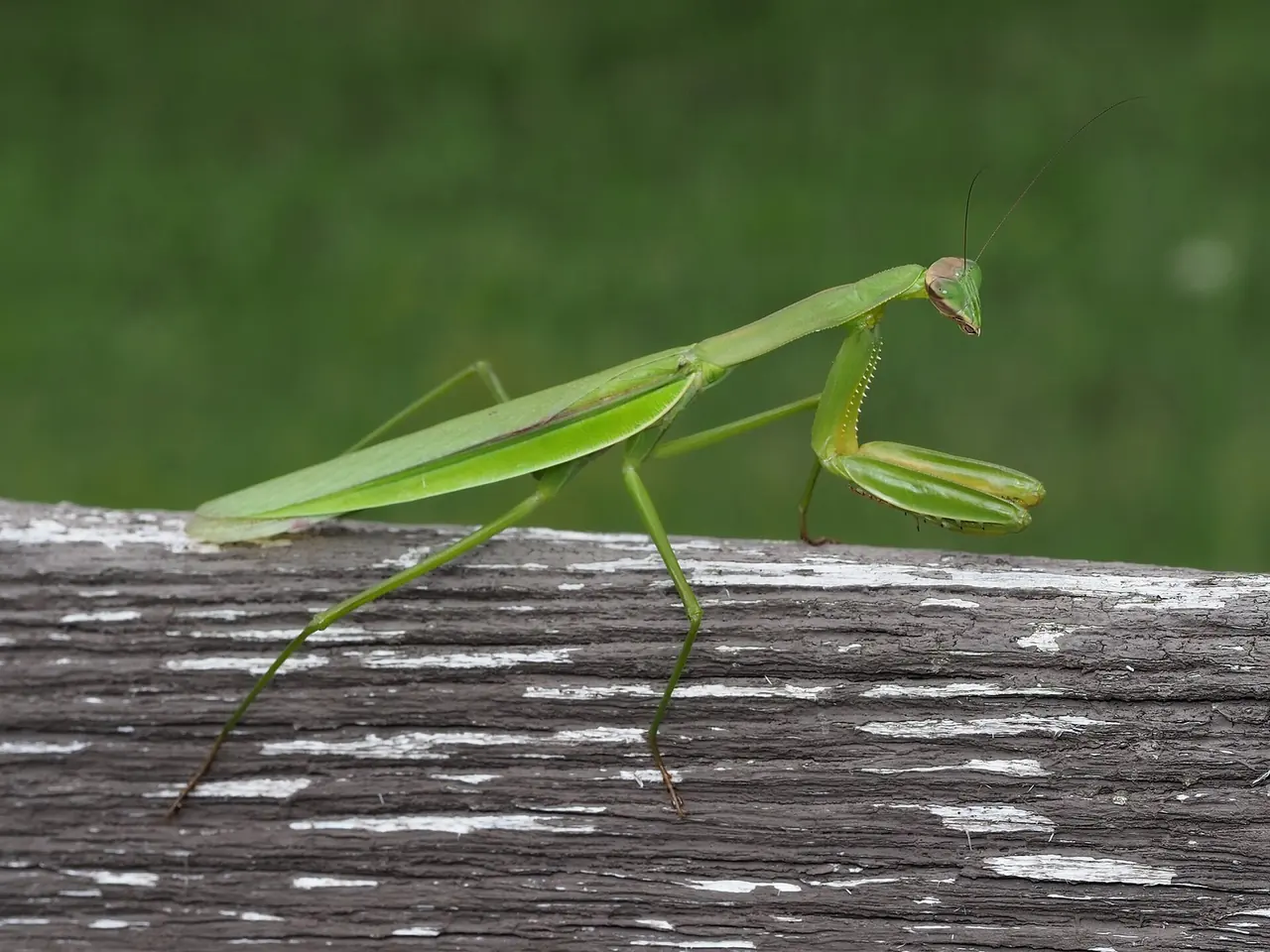
Elongated green or brown body, triangular head that rotates to track movement, and large raised front legs held in a "praying" posture used to grab prey.
Size: 50–100 mm
Commonly Confused With
Nothing else looks quite like it — unmistakable once seen.
Why It Shows Up
They don't seek out indoor spaces; occasional appearances on porches or near lit windows are just following the insects they hunt.
Where Homeowners Find It
Garden beds, tall grass, shrubs, and occasionally on porches and near outdoor lights at night.
Seasonal Activity in KC
Spring through the first frost.
Risk Level
None. Completely harmless to people and beneficial in the garden, feeding on many actual pest insects.
What You Can Do Yourself
- • Leave it be — it's doing pest control for you.
Our Take
We do not treat praying mantises.
Common Questions
How do I tell a praying mantis from something that looks similar?
Nothing else looks quite like it — unmistakable once seen.
Do I need professional treatment for praying mantis?
We generally don't treat praying mantis. We do not treat praying mantises.