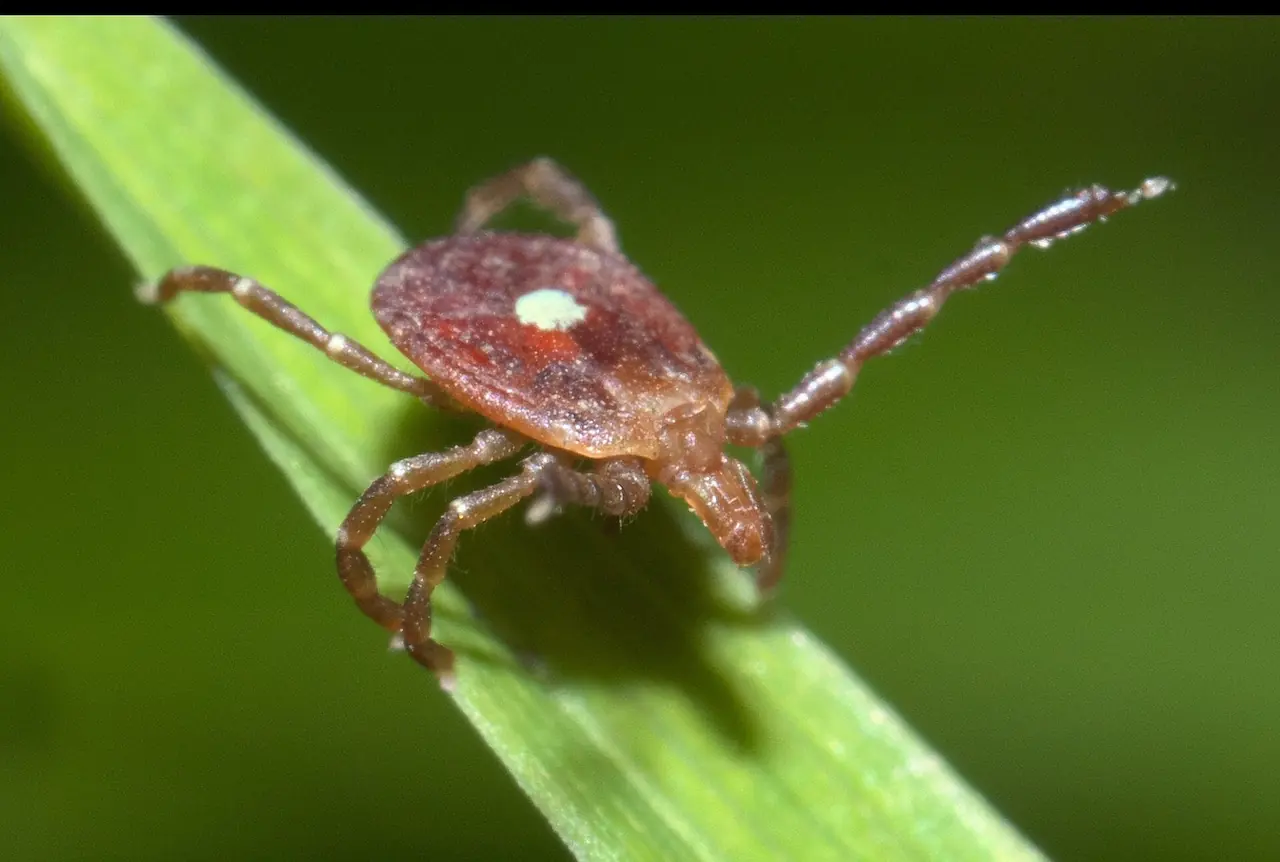
Photo: xpda, CC BY-SA 4.0, via Wikimedia Commons
Kansas City Pest Identification
Amblyomma americanum (lone star tick), Dermacentor variabilis (American dog tick), and others common to Missouri and KansasTick Identification
Missouri and Kansas have some of the highest tick-borne illness rates in the country, and the lone star tick in particular is extremely common in wooded and tall-grass areas across the Kansas City metro.
Need help identifying tick?
Text a photo for fast pest identification. You'll get a real answer from a local expert — not a call center.
How to Identify It
Small, flat, oval bodies that swell considerably after a blood meal. The lone star tick (very common locally) has a single white spot on the female's back. Ticks attach and feed slowly, often going unnoticed for hours.
Size: 2–5 mm (unfed); larger after feeding
Commonly Confused With
Not commonly confused with other pests once attached, though an unfed tick can be mistaken for a small spider or beetle at a glance.
Why It Shows Up
Most ticks don't infest homes — they're picked up outdoors from tall grass, brush, and wooded edges and carried inside on people or pets, where they may attach before being noticed. The exception is the brown dog tick, which can breed indoors where dogs sleep.
Where Homeowners Find It
Tall grass and brush edges, wooded lot lines, along trails, under leaf litter, and anywhere deer, rodents, or other wildlife travel through the yard.
Seasonal Activity in KC
Active March through November in this region, with lone star ticks especially aggressive May through August.
Risk Level
Real disease risk: ehrlichiosis and alpha-gal syndrome (a red meat allergy) are tied to the lone star tick, and Rocky Mountain spotted fever is carried mainly by the American dog tick. All are documented in Missouri and Kansas. Prompt, correct removal and monitoring for symptoms matters.
What You Can Do Yourself
- • Keep grass mowed short and clear brush along yard edges and wood lines — ticks need humidity and cover and avoid open, dry, sunny areas.
- • Do a full-body tick check on people and pets after any time in grass, brush, or wooded areas.
- • Remove an attached tick with fine-tipped tweezers, pulling straight up close to the skin — don't twist or use folk remedies.
What Professional Treatment Involves
A yard-focused treatment targeting the interface between lawn and wooded/brushy areas, where ticks concentrate waiting for a host, along with recommendations on brush clearing and lawn maintenance that reduce habitat.
Serving the Kansas City metro area-wide. Owner-operated with 30+ years of professional pest control experience. See our tick control service →
Common Questions
How do I tell a tick from something that looks similar?
Not commonly confused with other pests once attached, though an unfed tick can be mistaken for a small spider or beetle at a glance.
Do I need professional treatment for tick?
A yard-focused treatment targeting the interface between lawn and wooded/brushy areas, where ticks concentrate waiting for a host, along with recommendations on brush clearing and lawn maintenance that reduce habitat.