Mosquitoes & Biting Pests
Mosquitoes, ticks and fleas are yard-driven, and Kansas City's humid summers keep them going from April into October. Bed bugs are the exception: they travel in on luggage and furniture and live indoors year-round.
Each one needs its own approach — breeding water and resting shade for mosquitoes, the lawn-to-woodline edge for ticks, pets and carpet for fleas.
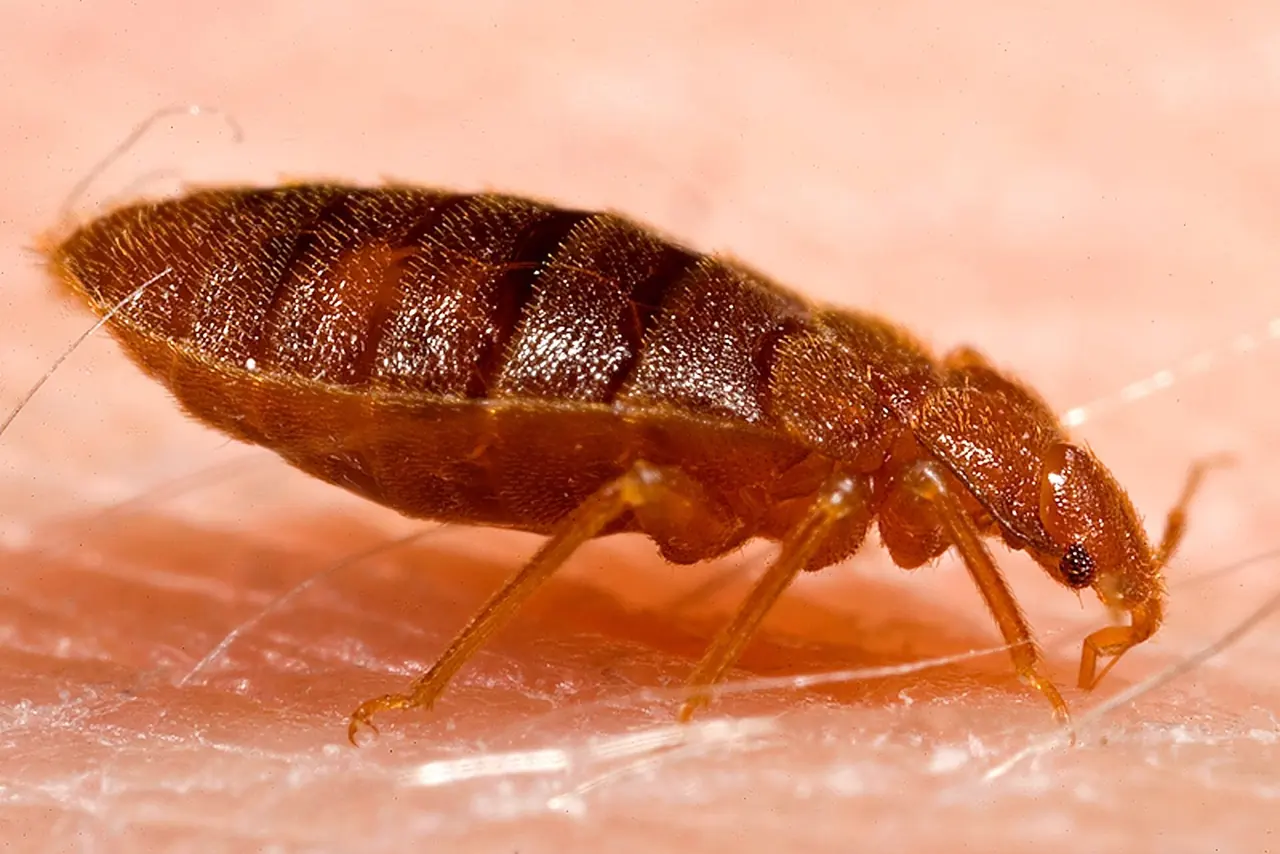
Bed Bug
A blood-feeding insect that hides in mattress seams, bed frames, and nearby furniture and feeds on people at night. Not a sign of uncleanliness — they hitchhike in on luggage, used furniture, and clothing, and can show up in any home, hotel, or apartment.
Identify & treat bed bug →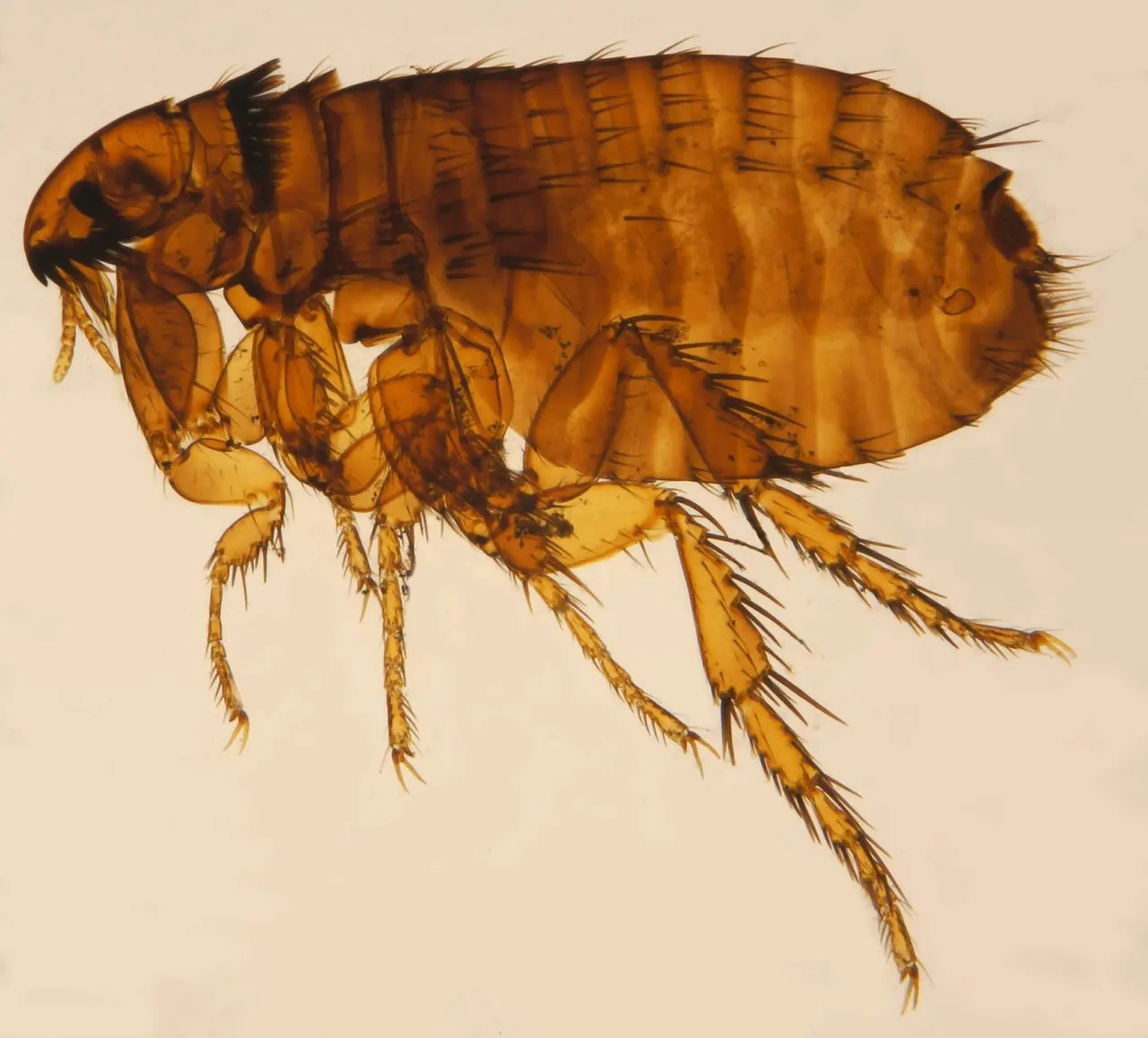
Flea
A blood-feeding insect that rides in on a pet (or wildlife near the house) and quickly establishes in carpet, bedding, and yard areas where pets rest. Bites concentrate around ankles and lower legs.
Identify & treat flea →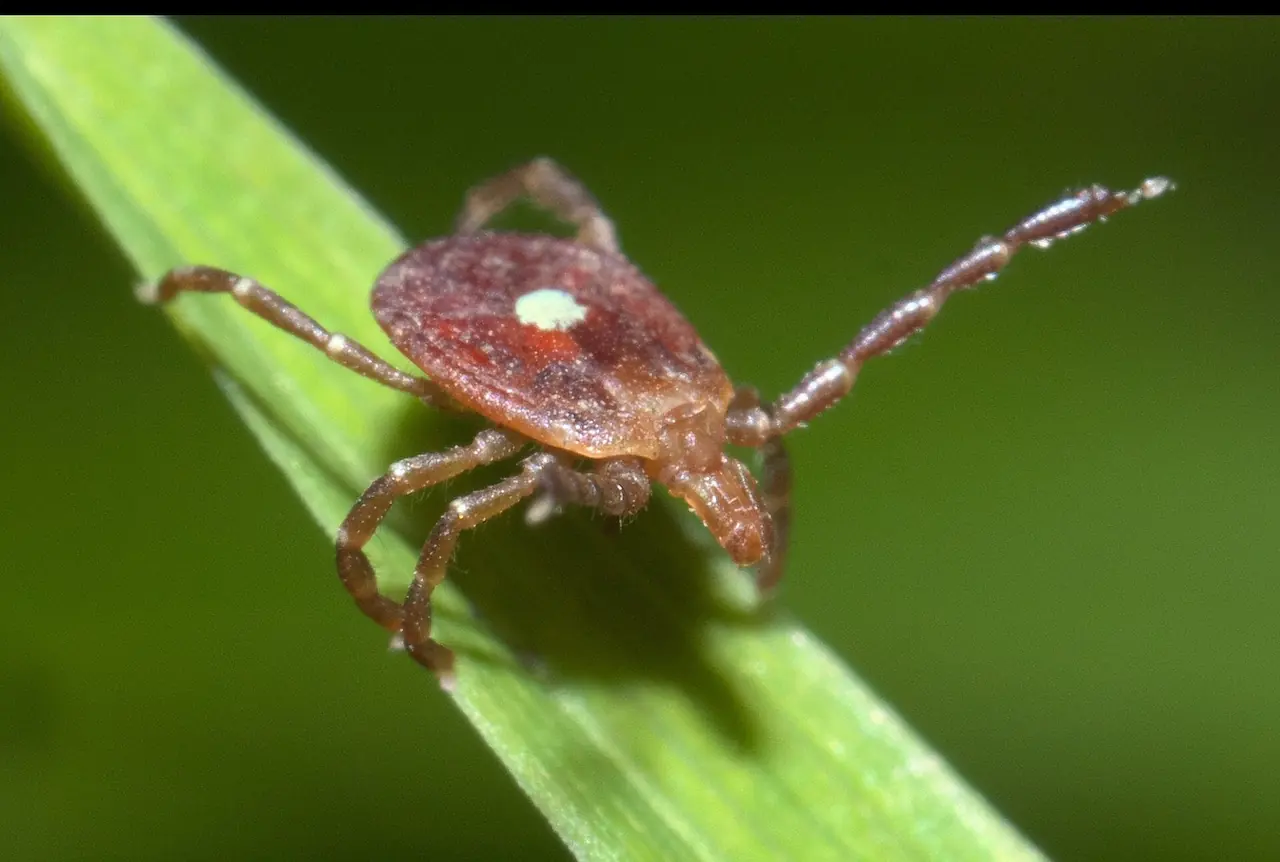
Tick
Missouri and Kansas have some of the highest tick-borne illness rates in the country, and the lone star tick in particular is extremely common in wooded and tall-grass areas across the Kansas City metro.
Identify & treat tick →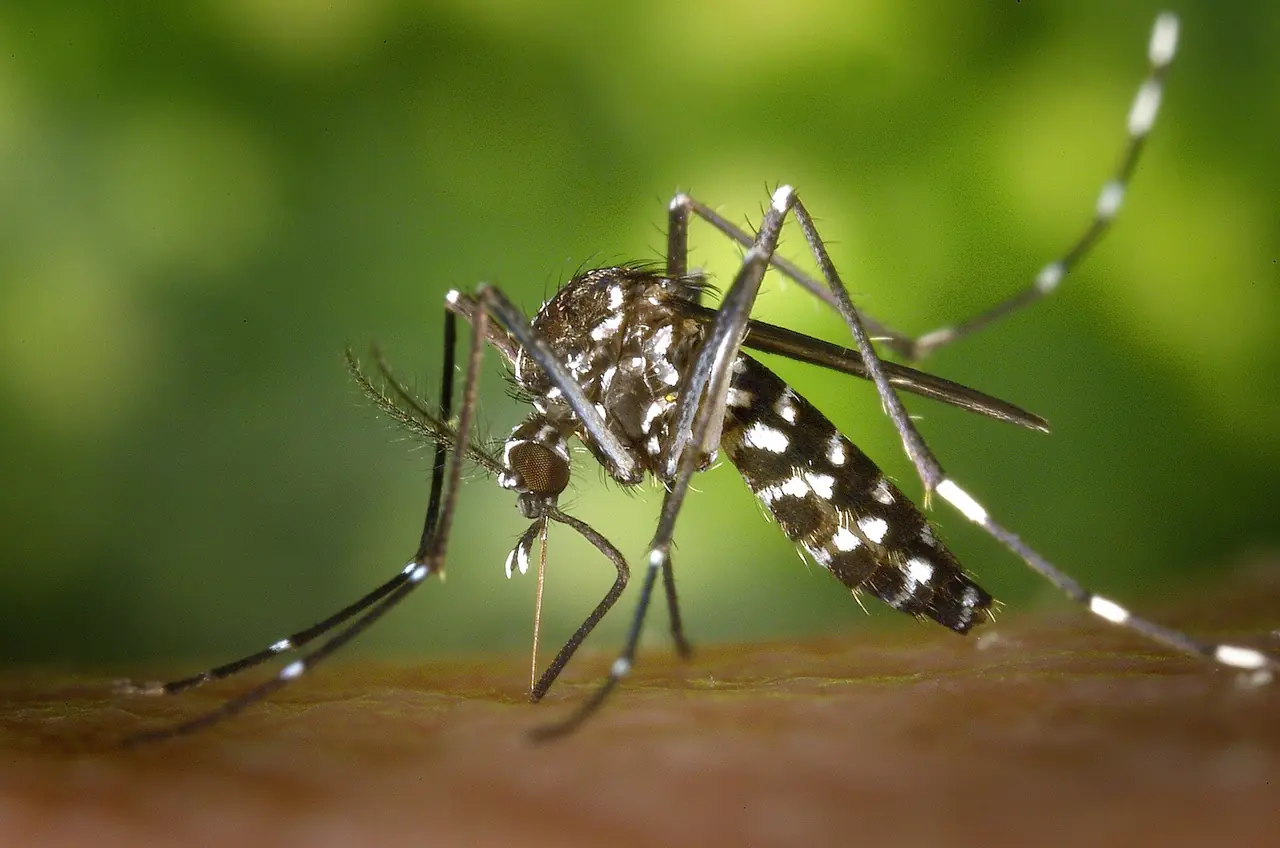
Mosquito
The insect most likely to keep you off your own patio all summer. Kansas City's humidity and abundant standing water (creeks, drainage, birdbaths, gutters) make for a long, active mosquito season.
Identify & treat mosquito →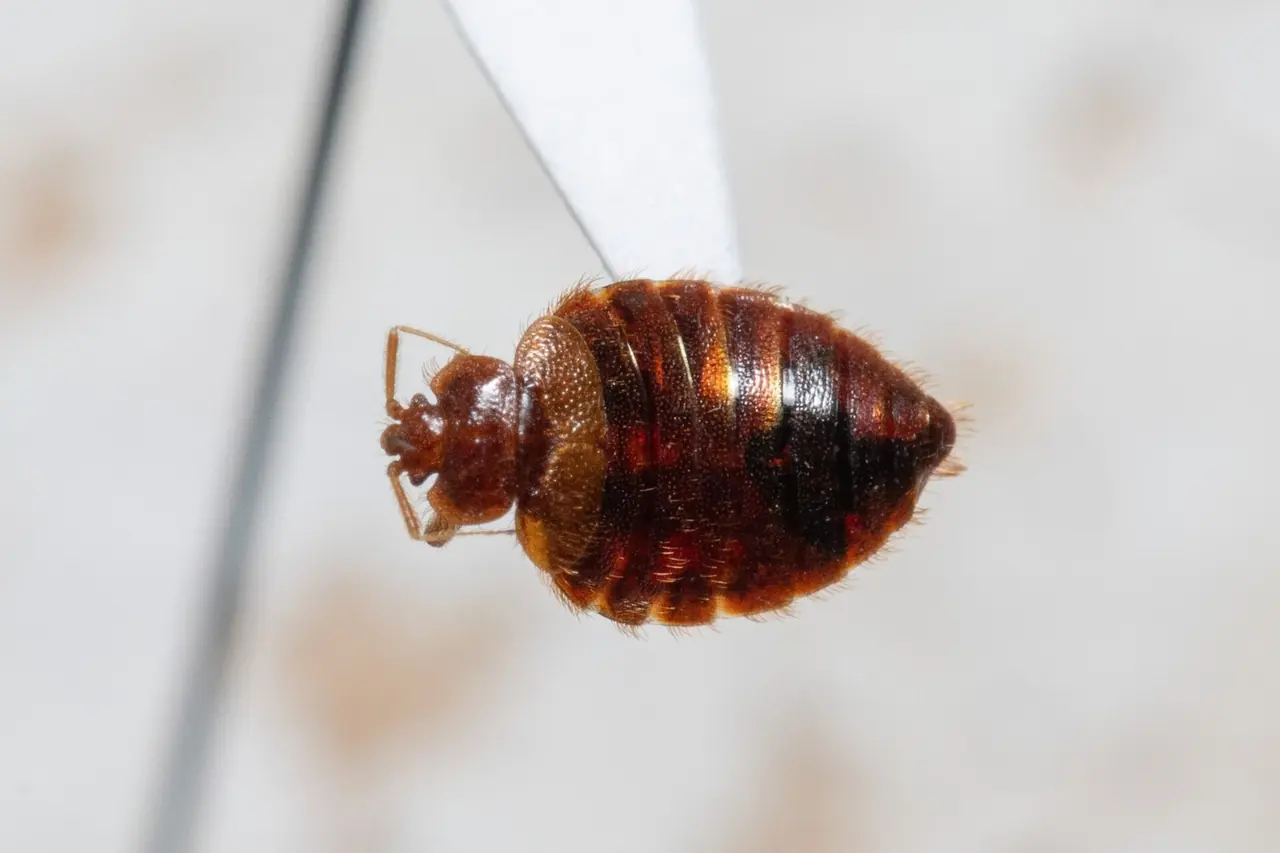
Bat Bug
A close relative of the bed bug that normally feeds on bats, found when a bat colony has roosted in an attic or wall void and then either leaves or is excluded, leaving the bugs to seek a new host — sometimes people.
Identify & treat bat bug →Pest photos are used under Creative Commons and public-domain licenses — see photo credits.