Ants
Kansas City sees ant activity from the first warm days of March through October. Odorous house ants and pavement ants cause most kitchen calls; carpenter and acrobat ants are the ones that point to moisture in the structure.
Which ant you have decides the approach. Trailing sugar ants are handled at the colony, not the trail; carpenter ants mean finding the nest and the wet wood it lives in. Identify yours below, or text us a photo.
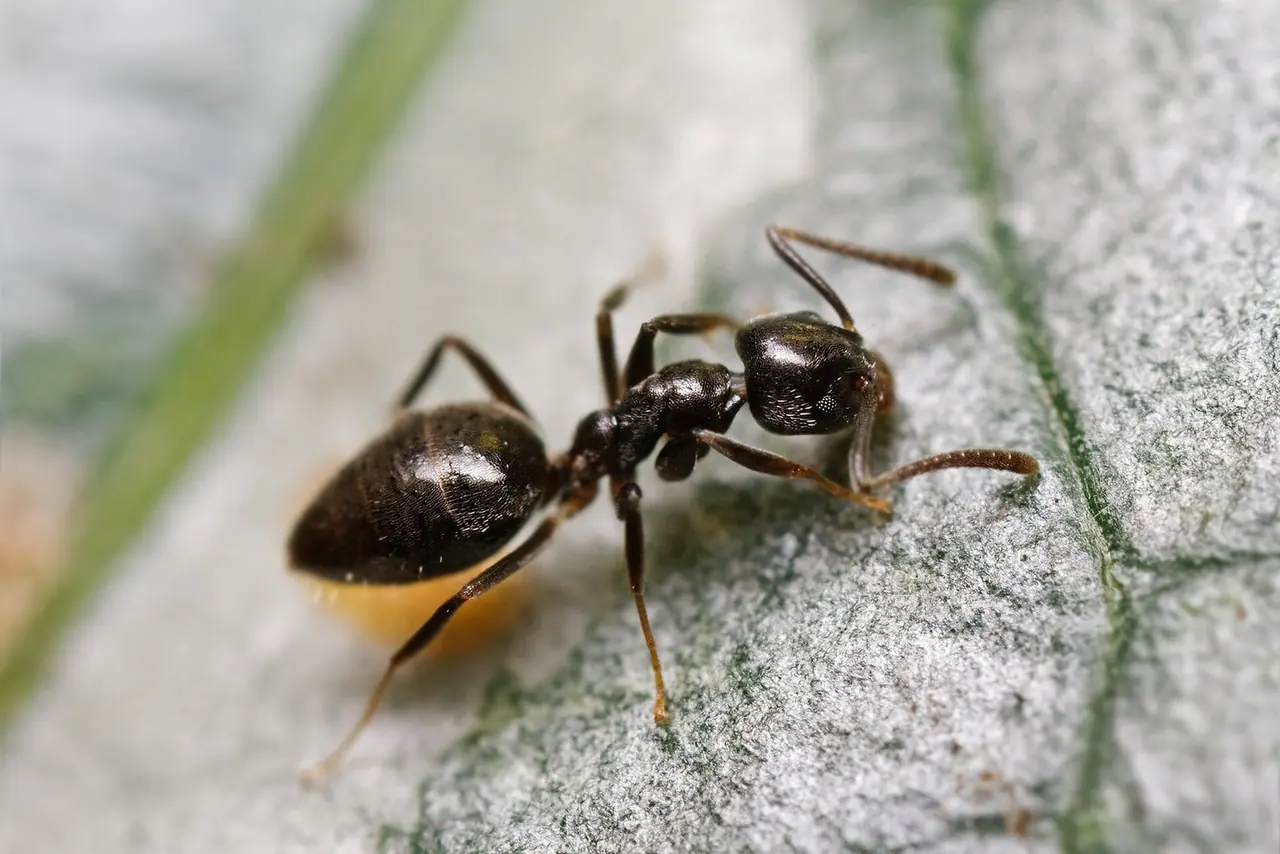
Odorous House Ant
The small dark ant that shows up in Kansas City kitchens and bathrooms every spring and will not stay gone after you spray it. It is the most common indoor ant we treat.
Identify & treat odorous house ant →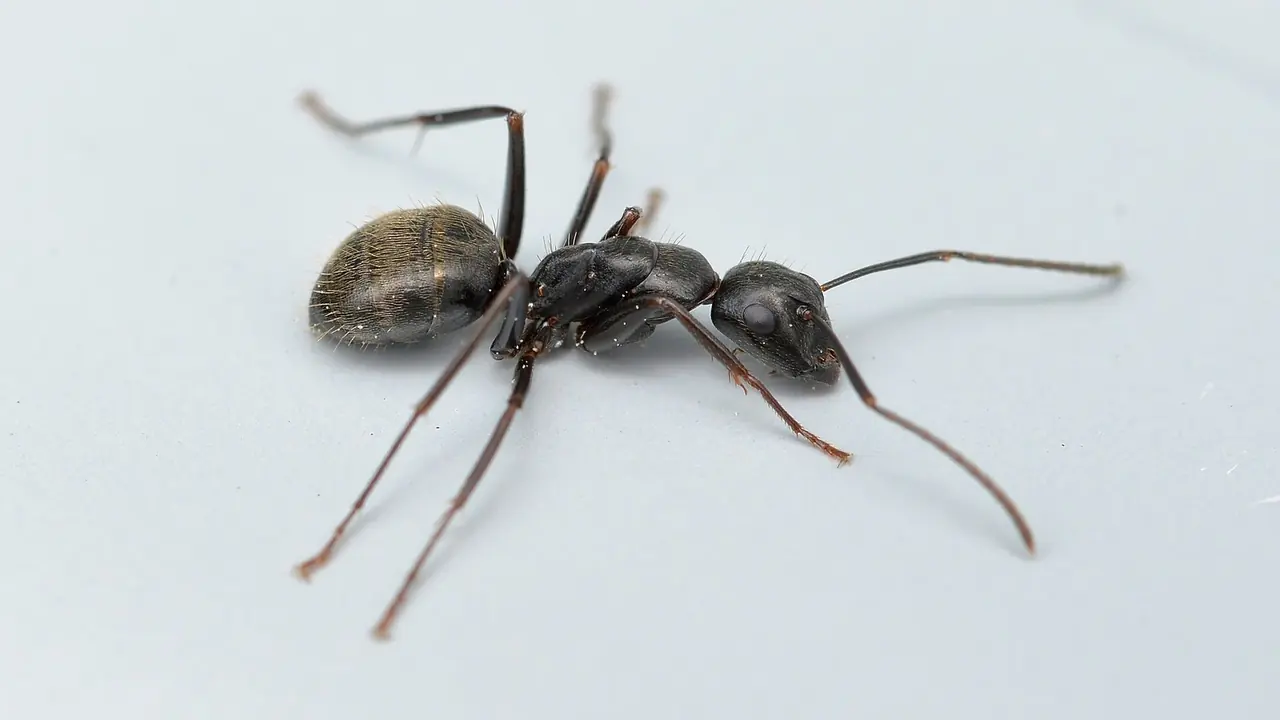
Carpenter Ant
Our largest ant, and the one that matters structurally. Carpenter ants do not eat wood — they excavate it to nest in, most often moisture-damaged or decayed wood, though satellite colonies can also turn up in drier wall voids and sound wood. The damage is regularly mistaken for termites.
Identify & treat carpenter ant →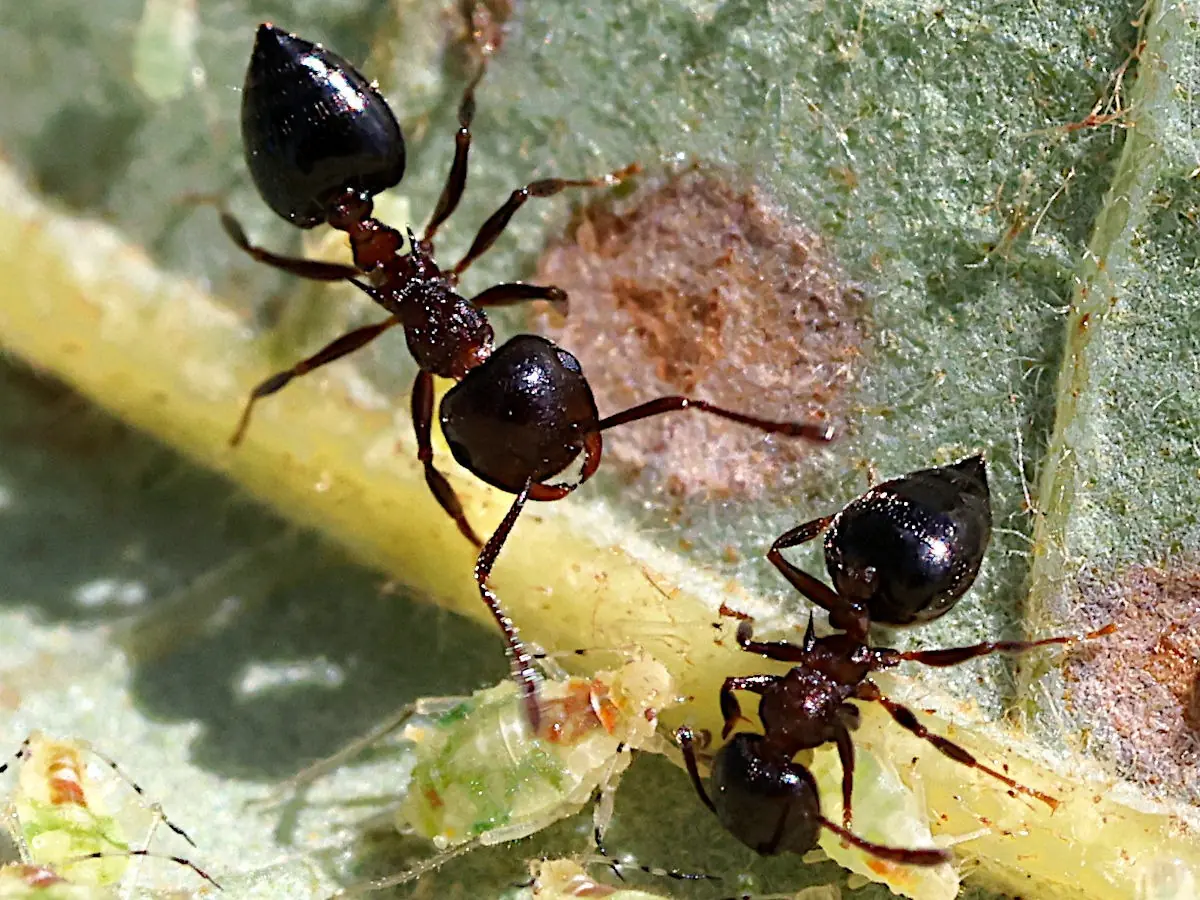
Acrobat Ant
A small ant with a heart-shaped rear end that nests in moist, decayed wood and foam insulation. Finding acrobat ants indoors usually means there is water damage somewhere nearby.
Identify & treat acrobat ant →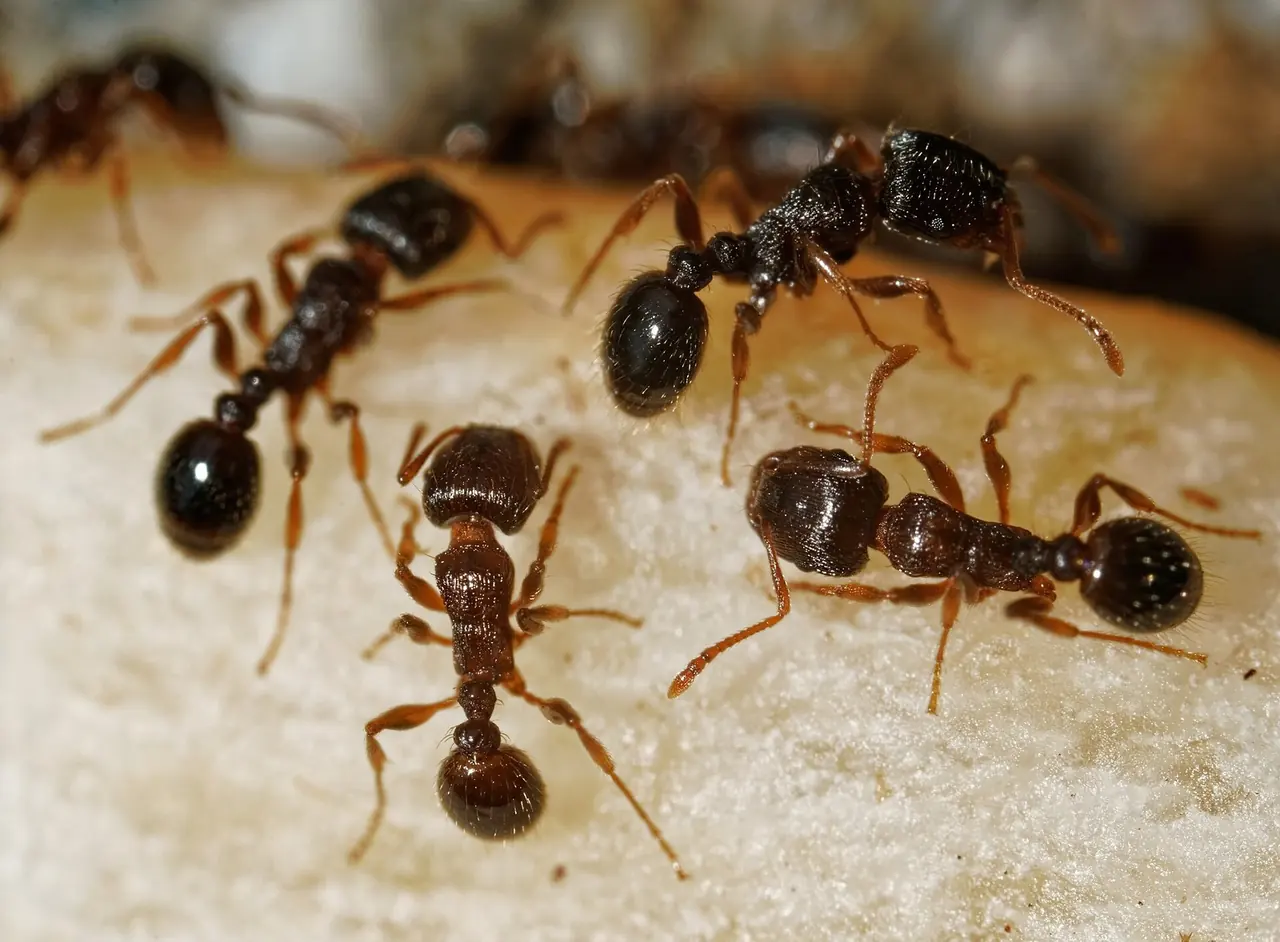
Pavement Ant
The ant behind the little sand piles between sidewalk slabs and along the driveway edge. Common in KC subdivisions on slab foundations, where they come up through expansion joints into the house.
Identify & treat pavement ant →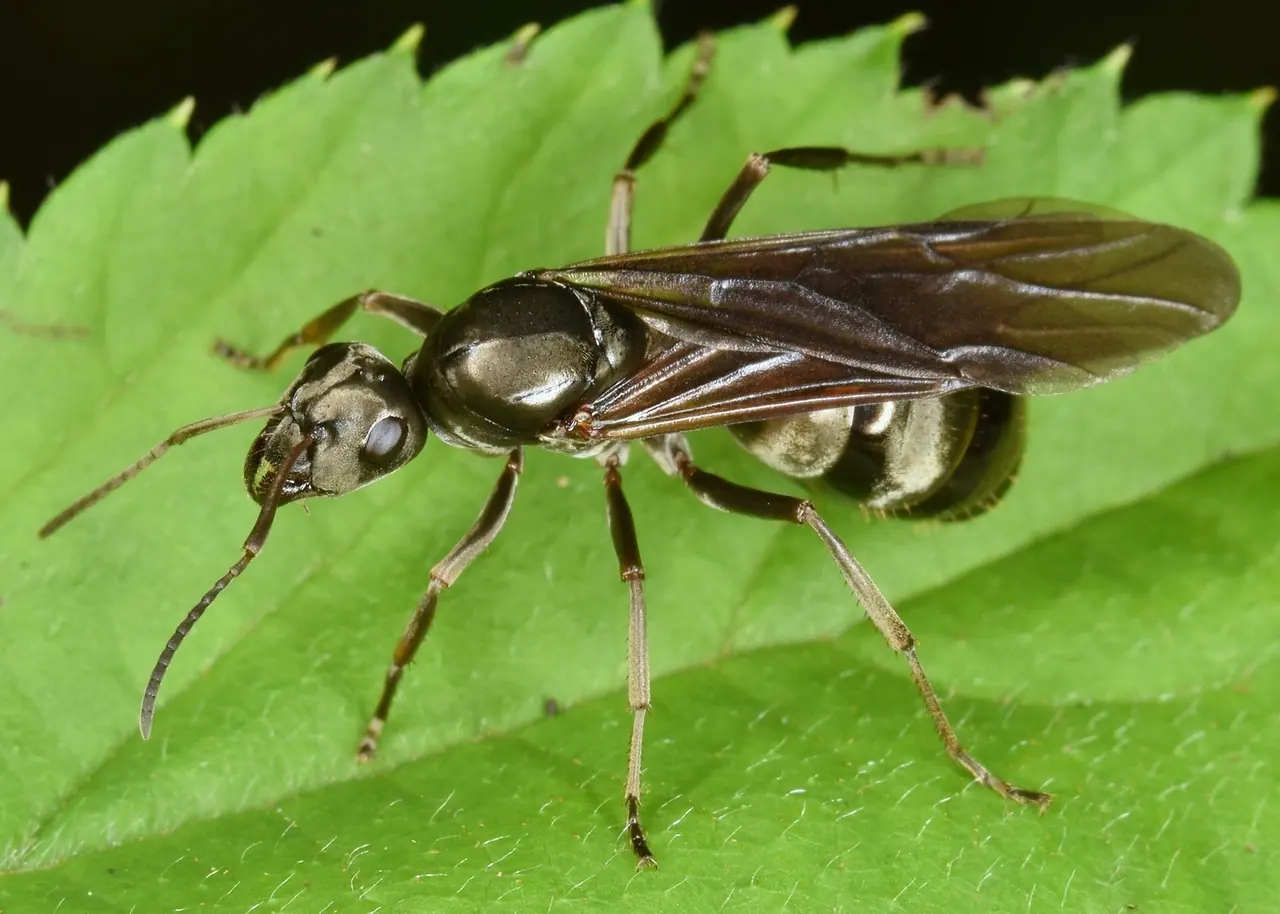
Field Ant
A large, mostly-outdoor ant that builds visible mound nests in lawns, along driveways, and at the base of trees. Field ants are sometimes mistaken for carpenter ants because of their size, but they don't nest in wood.
Identify & treat field ant →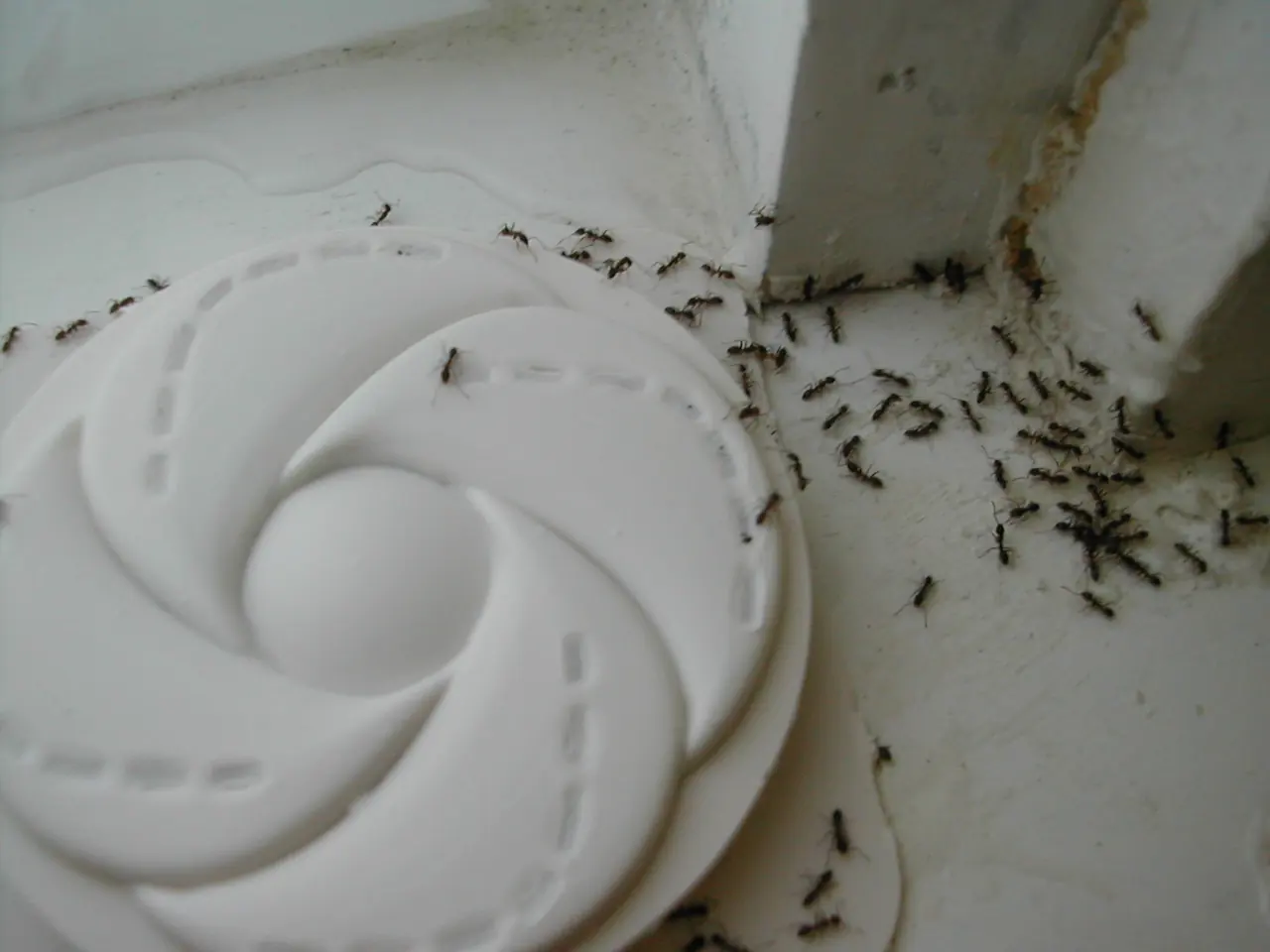
Argentine Ant
An invasive ant that forms enormous interconnected "supercolonies" with many queens rather than a single nest, which makes it notably harder to control than most native ants — treating one visible trail barely dents the population.
Identify & treat argentine ant →Pest photos are used under Creative Commons and public-domain licenses — see photo credits.